How to Rescue a Dying Terrarium
Step-by-step guide to diagnosing and saving a struggling terrarium, from root rot to pest infestations.
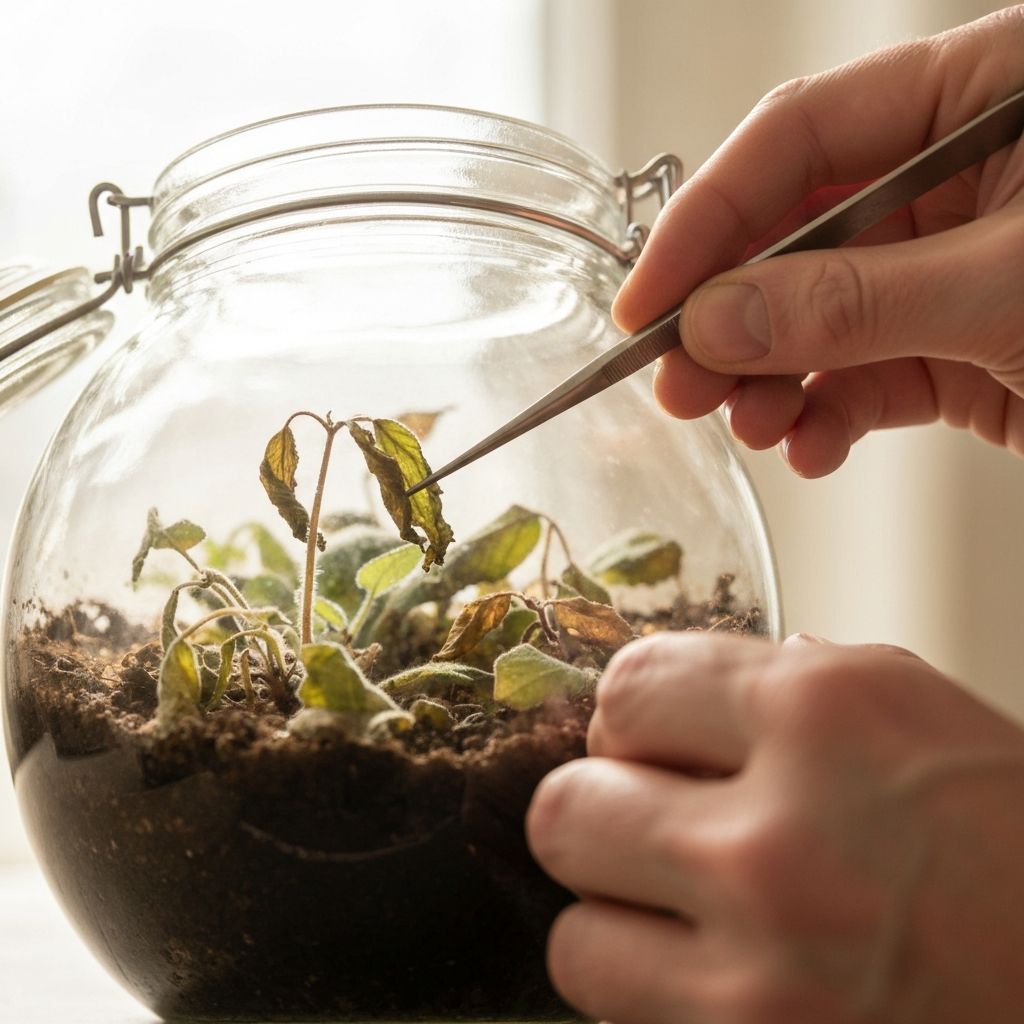
Your once-thriving terrarium is struggling. Plants are wilting, mold is spreading, or everything just looks sad. Before you give up and start over, try these rescue techniques. Many dying terrariums can be saved with the right intervention.
Step 1: Diagnose the Problem
Before treating, identify what's wrong. Common terrarium failures have distinct symptoms.
Symptom: Plants Wilting Despite Wet Soil
Diagnosis: Root rot from overwatering
Evidence:
- Soil constantly wet or waterlogged
- Musty smell
- Roots brown and mushy when checked
- Plants don't recover when watered
Symptom: Plants Crispy and Dried
Diagnosis: Underwatering or humidity loss
Evidence:
- Soil bone dry
- No condensation on glass
- Brittle, papery leaves
- Plants light when lifted
Symptom: White Fuzzy Growth
Diagnosis: Mold or fungal infection
Evidence:
- White, gray, or colored fuzzy patches
- Often on soil surface or dead matter
- May spread to plant bases
- Musty smell
Symptom: Yellowing Leaves Throughout
Diagnosis: Multiple possible causes
Evidence:
- Could be overwatering, underwatering, light issues, or nutrient deficiency
- Pattern of yellowing helps identify cause (see our yellowing guide)
Symptom: Tiny Insects Visible
Diagnosis: Pest infestation
Evidence:
- Fungus gnats (tiny flies)
- Mealybugs (white cottony masses)
- Scale (brown bumps)
- Spider mites (tiny dots, webbing)
Step 2: Emergency Interventions
For Overwatering/Root Rot
Immediate actions:
- Open the terrarium completely
- Remove standing water if visible
- Extract affected plants carefully
- Inspect roots - trim any brown, mushy sections with clean scissors
- Let roots dry for several hours
- Assess substrate - if waterlogged and smelly, consider replacing
Recovery process:
- If substrate is salvageable, leave terrarium open 24-48 hours to dry
- Replant after roots have dried and substrate is moist (not wet)
- Don't seal for at least a week
- Water sparingly going forward
When to give up: If most roots are rotted and stems are mushy, the plant likely can't recover. Take cuttings from any healthy portions.
For Underwatering/Drying
Immediate actions:
- Mist thoroughly inside the terrarium
- Water soil moderately (not flooding)
- Seal container to trap humidity
- Move away from direct light or heat sources
Recovery process:
- Check condensation levels daily
- Maintain high humidity for 1-2 weeks
- Severely wilted plants may not recover, but give them time
- New growth indicates recovery
When to give up: If plants are completely dried and crispy throughout, they won't recover. However, roots may survive; wait for new growth before removing.
For Mold Infestation
Immediate actions:
- Open terrarium for ventilation
- Remove visible mold with clean tweezers or cotton swab
- Remove source material - dead leaves, dead plant matter
- Increase airflow - leave partially open for several days
Treatment options:
- Hydrogen peroxide spray: Mix 1 part 3% hydrogen peroxide with 4 parts water. Spray affected areas. Safe for plants.
- Cinnamon: Sprinkle ground cinnamon on affected soil. Natural antifungal.
- Neem oil: Diluted neem oil spray for persistent fungal issues.
Prevention going forward:
- Add springtails if not already present
- Ensure proper ventilation
- Remove dead matter promptly
- Don't overwater
When to give up: If mold is deeply established throughout substrate and returns repeatedly after treatment, rebuild with fresh materials.
For Pest Infestations
Fungus gnats:
- Let soil dry out more between waterings (larvae need moisture)
- Add sticky traps to catch adults
- Consider adding springtails (they outcompete gnat larvae)
- For severe infestations, drench soil with diluted hydrogen peroxide
Mealybugs:
- Remove visible bugs with cotton swab dipped in rubbing alcohol
- Check undersides of leaves and stem joints
- Repeat treatment every few days until gone
- Quarantine terrarium from other plants
Scale insects:
- Scrape off with fingernail or soft brush
- Apply rubbing alcohol to affected areas
- Remove heavily infested plants
- Monitor for return
Spider mites:
- Increase humidity (they prefer dry conditions)
- Spray plants with water
- Apply neem oil solution
- Severe infestations may require removing affected plants
Step 3: Post-Rescue Care
After emergency intervention, give your terrarium time to stabilize.
First Week
- Monitor daily but resist urge to intervene constantly
- Keep notes on what you observe
- Maintain stable conditions (don't move terrarium)
- Watch for signs of recovery or continued decline
Second Week
- Begin making small adjustments if needed
- Resume normal (careful) care routine
- Remove any plants that haven't shown recovery
- Consider additions if gaps exist
First Month
- System should be stabilizing
- New growth indicates success
- Persistent problems suggest rebuild might be needed
- Document what worked for future reference
Step 4: When to Rebuild
Sometimes rescue isn't possible. Consider starting fresh when:
- Most plants are dead or dying
- Mold returns repeatedly despite treatment
- Substrate smells sour even after drying
- Root rot has spread to all plants
- Pests persist after multiple treatments
A full rebuild isn't failure. It's a learning opportunity. Document what went wrong and build better next time.
Salvaging from a Failed Terrarium
Even if the whole system fails, you can often save:
- Healthy cuttings: Take stem cuttings from surviving tissue
- Container: Clean thoroughly with diluted bleach, rinse well
- Decorations: Wash rocks, wood, and hardscape
- Some substrate materials: Gravel and LECA can be cleaned and reused
What to discard:
- Contaminated soil
- Dead plant material
- Any organic material from infected terrarium
Prevention for Next Time
Avoid Overwatering
The most common killer. When in doubt, don't water.
- Wait for condensation to clear before adding moisture
- Add water in tablespoons, not cups
- Terrariums need far less water than people think
Ensure Drainage
Proper layers prevent water pooling:
- Adequate drainage layer at bottom
- Separation barrier to keep soil out of drainage
- Well-draining soil mix
Choose Appropriate Plants
Matching plants to conditions prevents stress:
- Humidity-lovers for closed terrariums
- Drought-tolerant plants for open setups
- Similar needs when combining species
Start Clean
Prevention is easier than cure:
- Quarantine new plants before adding
- Use sterile substrate
- Clean containers before use
- Inspect plants for pests before purchase
Add Cleanup Crews
Springtails prevent many common problems:
- Consume mold before it spreads
- Break down dead matter
- Maintain healthier soil conditions
Final Thoughts
A struggling terrarium deserves a rescue attempt before you give up. Many problems are reversible with prompt intervention. The key is accurate diagnosis followed by appropriate treatment.
However, know when to cut your losses. A terrarium that keeps declining despite your best efforts is teaching you something. Take those lessons into your next build, which will be better for having learned what doesn't work.
Every terrarium builder has killed a terrarium or two. The difference between beginners and experts is that experts have killed more terrariums and learned from each one.
Tags
Written by
Sarah Chen
A contributing writer at Terrarium Guide. Our team is dedicated to providing well-researched, accurate, and helpful content to our readers.
Learn more about our teamRelated Articles
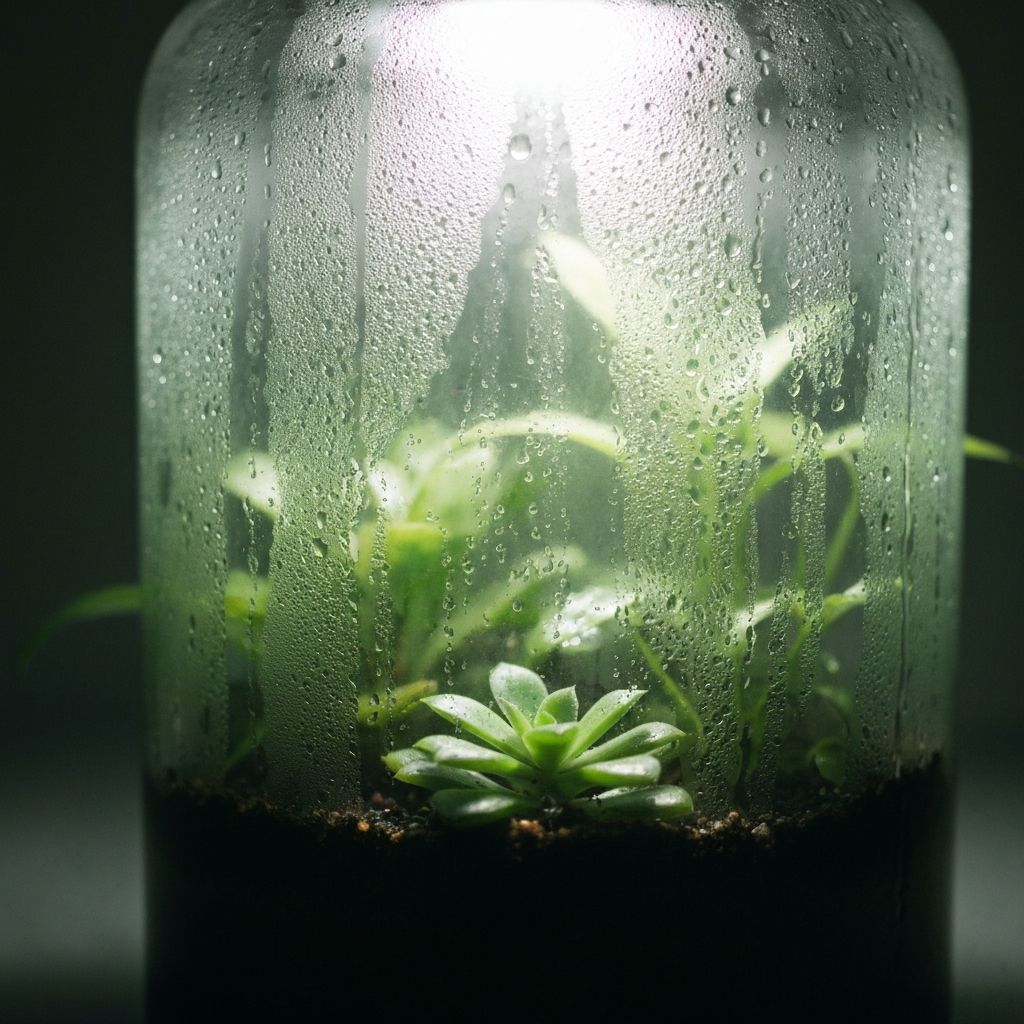
Terrarium Condensation: How Much Is Too Much?
Learn to read condensation levels in your closed terrarium, when to ventilate, and how to achieve the perfect moisture balance.
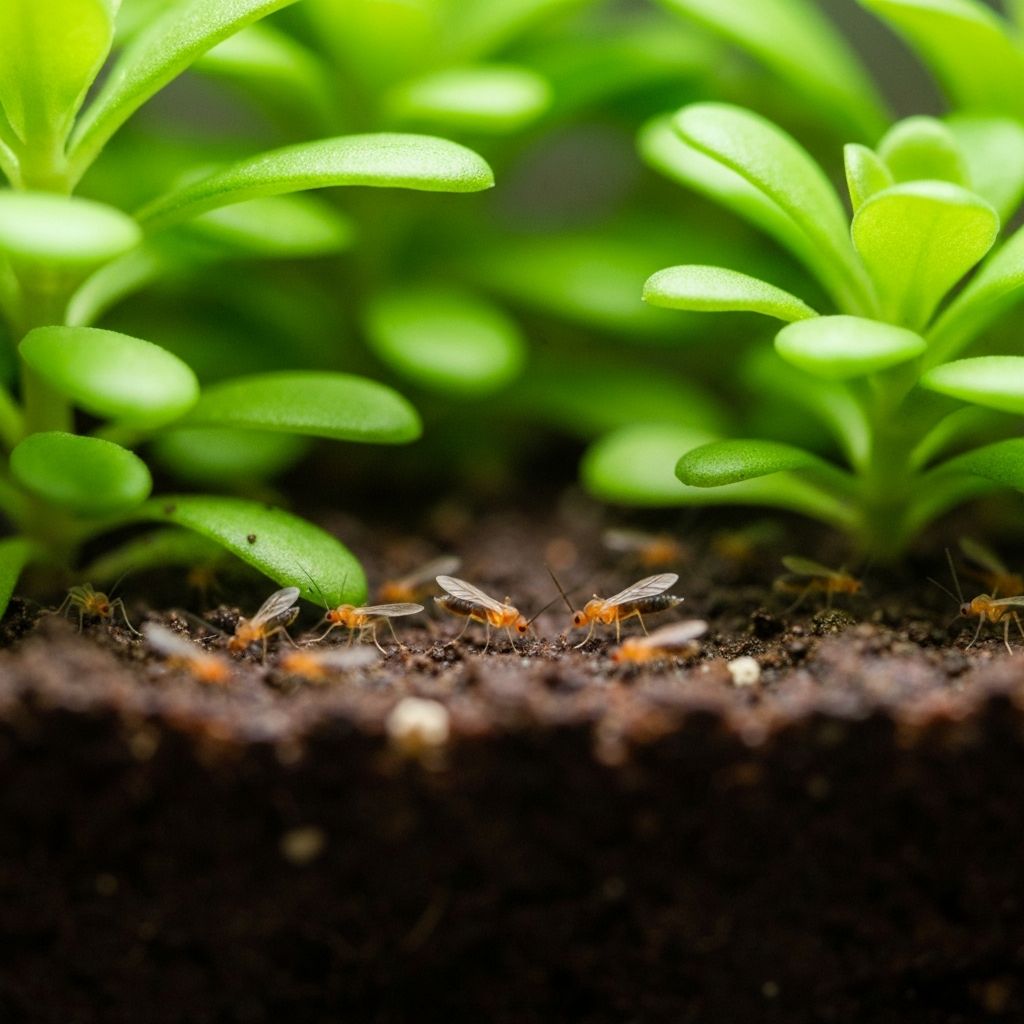
How to Get Rid of Fungus Gnats in Your Terrarium
Fungus gnats are the most common terrarium pest. Learn why they appear, how to eliminate them naturally, and prevent future infestations.
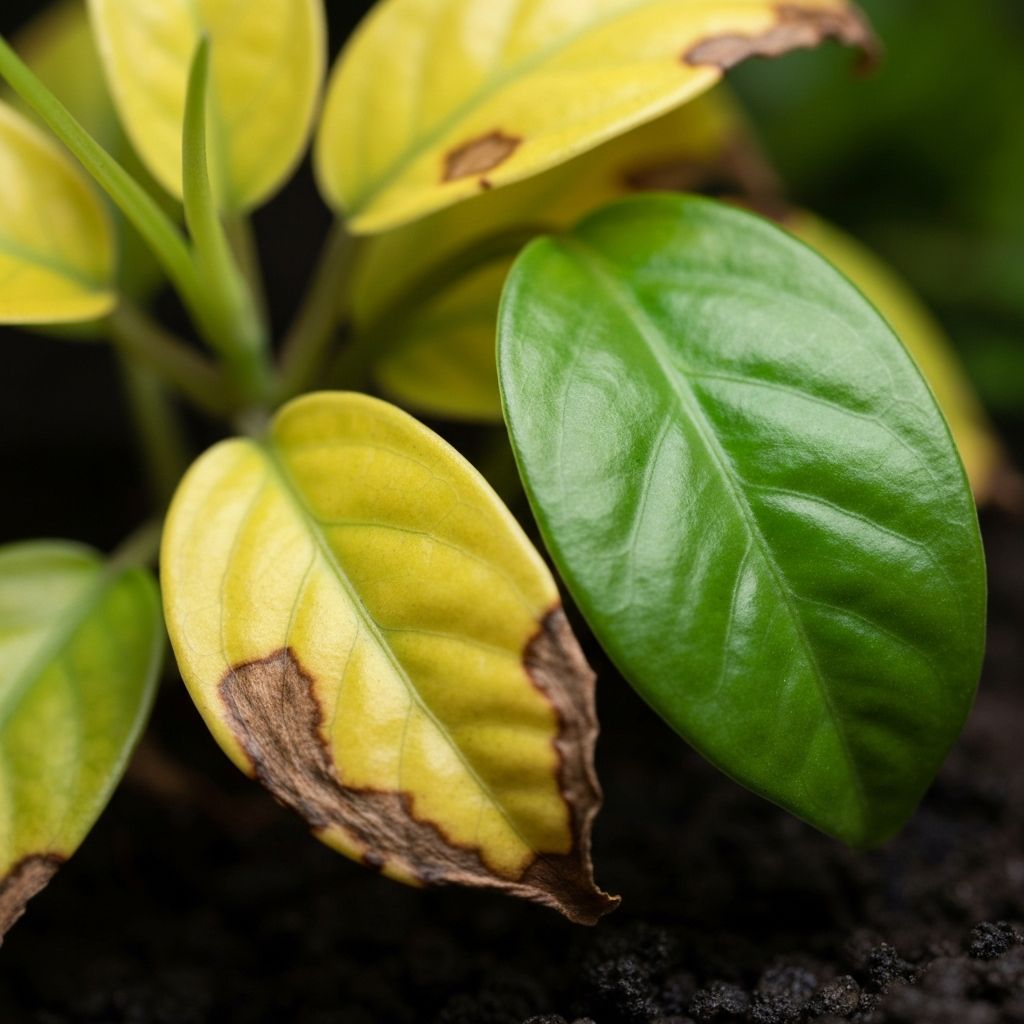
Why Is My Terrarium Yellow? Common Causes and Fixes
Diagnose yellowing plants in your terrarium with this troubleshooting guide covering overwatering, light issues, nutrient deficiency, and more.