Why Is My Terrarium Yellow? Common Causes and Fixes
Diagnose yellowing plants in your terrarium with this troubleshooting guide covering overwatering, light issues, nutrient deficiency, and more.
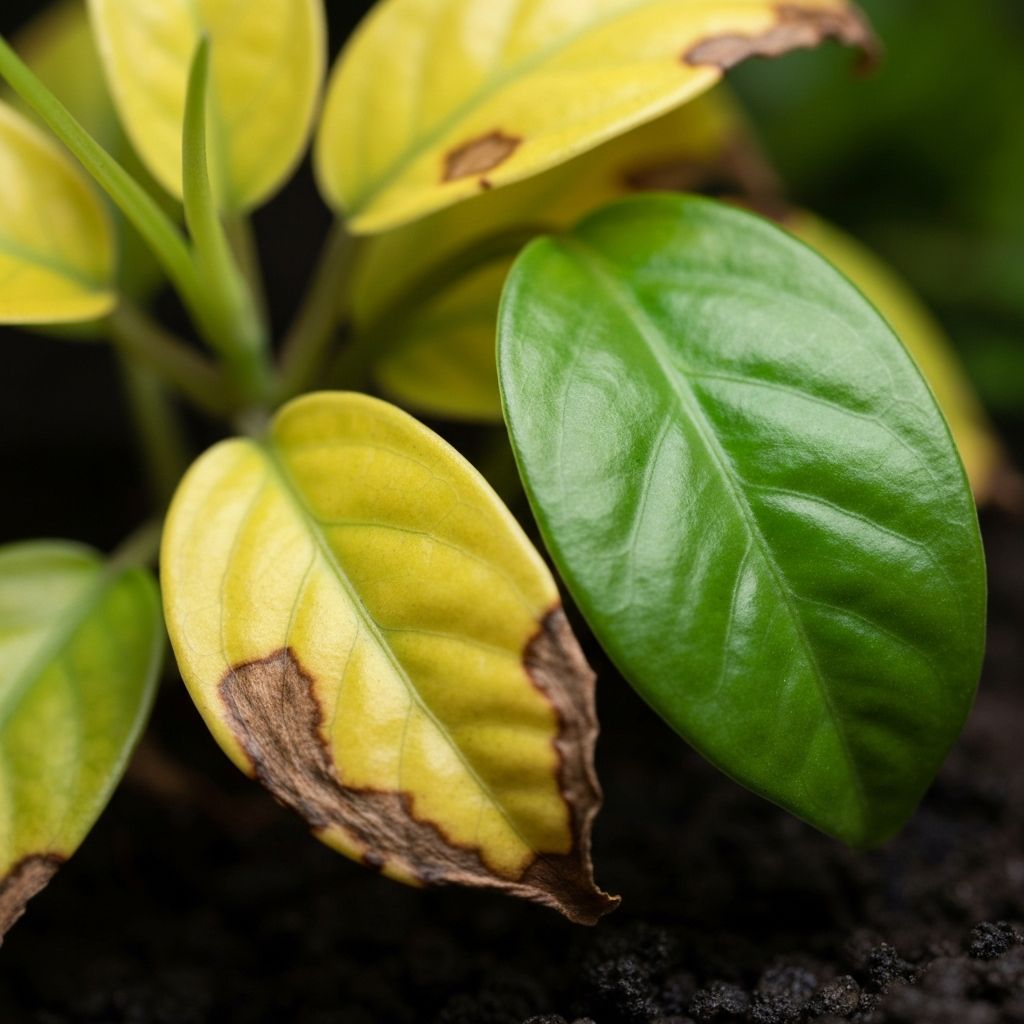
Yellow leaves in your terrarium are symptoms, not diseases. Something in the environment is stressing your plants, and yellowing is how they communicate that stress. This guide helps you diagnose the cause and apply the right fix.
The Most Common Causes
In rough order of likelihood:
- Overwatering
- Natural leaf aging
- Too much or too little light
- Nutrient deficiency
- Temperature stress
- Root problems
Let's examine each cause and its solution.
Overwatering
The most common cause of yellowing in terrariums.
How to Identify
- Yellow leaves are soft and mushy, not dry
- Soil is constantly wet
- Heavy condensation on glass that never clears
- Possible musty or sour smell
- May see mold developing
Why It Happens
Excess water fills air spaces in soil, suffocating roots. Without oxygen, roots can't absorb nutrients. Leaves yellow from nutrient starvation even though nutrients are present in the soil.
The Fix
- Open the terrarium - Remove lid or open ventilation for 24-48 hours
- Assess damage - Remove any fully yellow or mushy leaves
- Check roots - If rot has started (brown, mushy roots), remove affected plants
- Reduce future watering - Terrariums need far less water than you think
- Improve drainage - If problems persist, rebuild with better drainage layer
Prevention
- Only water when soil feels dry or condensation stops forming
- Add water in small amounts (tablespoons, not cups)
- Ensure proper drainage layers at bottom
Natural Leaf Aging
Normal and nothing to worry about.
How to Identify
- Only older, lower leaves are yellow
- New growth is healthy and green
- One or two leaves at a time, not widespread
- Leaves yellow evenly before dying
Why It Happens
Plants naturally shed older leaves as they grow. The plant reclaims nutrients from old leaves to fuel new growth. This is healthy housekeeping, not a problem.
The Fix
- Remove yellow leaves when they detach easily
- Don't pull leaves that are still partially green
- No other intervention needed
What to Watch
If more than 10-20% of leaves are yellowing simultaneously, another cause is likely.
Light Problems
Too much and too little light both cause yellowing, but the patterns differ.
Too Much Light
How to identify:
- Yellow or bleached patches, especially on upper leaves
- Brown crispy spots
- Leaves closest to light source are most affected
- Fading of colorful variegation
Why it happens: Direct sunlight through glass creates intense heat that damages leaf cells. Chlorophyll breaks down, causing yellowing and browning.
The fix:
- Move away from direct light
- Use sheer curtains to filter light
- Rotate terrarium so no side gets prolonged direct exposure
Too Little Light
How to identify:
- Overall pale, washed-out appearance
- New growth is light green or yellow-green
- Plants stretch toward light source
- Slow growth or no new growth
Why it happens: Without adequate light, plants can't produce enough chlorophyll. Photosynthesis decreases, and plants can't sustain themselves.
The fix:
- Move to brighter location (indirect light)
- Consider supplemental grow lights
- Choose low-light tolerant plants for dim spaces
Nutrient Deficiency
Less common in terrariums but possible in older setups.
How to Identify
Patterns vary by nutrient:
Nitrogen deficiency:
- Older leaves yellow first
- Overall pale appearance
- Stunted growth
Iron deficiency:
- New leaves yellow but veins stay green
- Called "interveinal chlorosis"
Magnesium deficiency:
- Similar to iron but in older leaves
- Yellow between veins
Why It Happens
Terrariums have limited soil volume. Over time, plants deplete nutrients. Unlike garden soil, terrarium substrate doesn't get replenished naturally.
The Fix
- Apply diluted liquid fertilizer (1/4 normal strength)
- Fertilize once during growing season
- Don't over-fertilize; salt buildup causes other problems
Prevention
- Use quality potting mix at setup
- Consider complete substrate replacement every 2-3 years
- Allow some decomposition (leave dead leaves on soil surface briefly)
Temperature Stress
Sudden temperature changes shock plants.
How to Identify
- Yellowing after moving terrarium to new location
- Yellowing in winter near cold windows
- Plants near heating/cooling vents affected
- Multiple plants show symptoms simultaneously
Why It Happens
Tropical terrarium plants evolved in stable temperatures. Sudden cold snaps or heat waves stress cellular processes. Leaves may yellow and drop as plants go into survival mode.
The Fix
- Move terrarium away from drafts, vents, and extreme temperature zones
- If cold damage occurred, remove damaged leaves and wait for recovery
- Maintain temperatures between 65-80°F (18-27°C)
Prevention
- Keep terrariums in stable temperature zones
- Avoid windowsills that get cold at night in winter
- Never place near heating or cooling sources
Root Problems
When roots fail, leaves show symptoms.
How to Identify
- Yellowing despite correct watering and light
- Plant seems loose in soil
- Pulling gently reveals damaged or missing roots
- May notice foul smell in soil
Why It Happens
Root rot from overwatering, soil compaction preventing root growth, or pest damage to roots.
The Fix
- Remove affected plant
- Trim damaged roots with clean scissors
- Let roots dry for a few hours
- Replant in fresh soil
- Don't water for 5-7 days
Prevention
- Proper drainage layers
- Don't compact soil too firmly
- Avoid chronic overwatering
Diagnostic Process
When you notice yellowing, work through these steps:
Step 1: Check the Pattern
- Which leaves? Old, new, or all?
- One plant or multiple?
- Any spots, patches, or even color change?
Step 2: Check the Soil
- Is it wet, moist, or dry?
- How long since last watering?
- Any smell?
Step 3: Check the Environment
- Has anything changed recently?
- Light levels stable?
- Temperature normal?
Step 4: Apply Most Likely Fix First
Based on your assessment, address the most probable cause. For most terrarium yellowing, the answer is "reduce watering."
Step 5: Wait and Observe
Changes take time to show results. Wait 1-2 weeks before concluding a fix didn't work.
When to Start Fresh
Sometimes the best answer is rebuilding:
- Multiple plants failing simultaneously
- Root rot has spread to most plants
- Mold has taken over
- Soil has become compacted or depleted
Starting fresh with lessons learned beats struggling to save a failing terrarium.
Final Thoughts
A few yellow leaves are normal and not cause for alarm. Widespread or persistent yellowing signals an environmental problem that needs addressing.
Most often, the culprit is overwatering. When in doubt, let things dry out. Terrariums are more resilient to drought stress than waterlogging, and drying out is easily fixed while root rot often isn't.
Tags
Written by
Sarah Chen
A contributing writer at Terrarium Guide. Our team is dedicated to providing well-researched, accurate, and helpful content to our readers.
Learn more about our teamRelated Articles
Terrarium Condensation: How Much Is Too Much?
Learn to read condensation levels in your closed terrarium, when to ventilate, and how to achieve the perfect moisture balance.
How to Get Rid of Fungus Gnats in Your Terrarium
Fungus gnats are the most common terrarium pest. Learn why they appear, how to eliminate them naturally, and prevent future infestations.
Terrarium Mold: How to Prevent, Identify, and Treat Fungal Growth
Mold is the most common terrarium problem. Learn to identify different types of fungal growth, understand what causes mold, and discover proven methods to treat and prevent it.