Terrarium Condensation: How Much Is Too Much?
Learn to read condensation levels in your closed terrarium, when to ventilate, and how to achieve the perfect moisture balance.
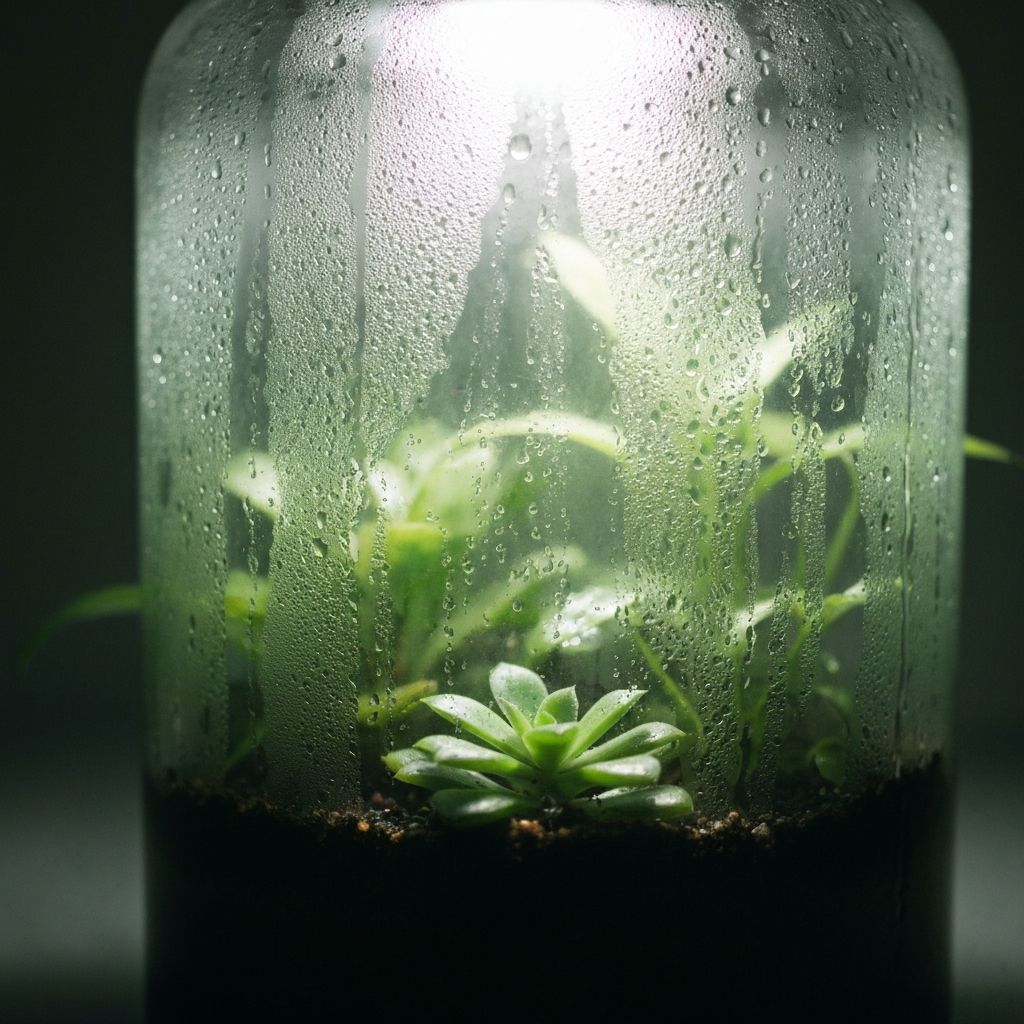
Condensation in a closed terrarium is normal and necessary. It's visible proof that the water cycle is working. But too much condensation signals problems, and too little means the system is drying out. Learning to read condensation is essential for terrarium success.
How the Water Cycle Works
Your closed terrarium is a miniature water cycle:
- Water evaporates from soil and plant leaves (transpiration)
- Humid air rises and contacts the cooler glass
- Water condenses on the glass surface
- Droplets run down and return to the soil
- Cycle repeats
This is exactly how rain works in nature, just contained in glass.
Normal vs. Problem Condensation
Healthy Condensation
What you want to see:
- Light misting on glass in morning
- Clearing during the day as light warms the container
- Occasional droplets, not constant streaming
- You can see through the glass clearly most of the time
The glass might be lightly fogged but never completely obscured. Plants remain visible.
Too Much Condensation
Warning signs:
- Glass completely fogged, plants barely visible
- Droplets streaming constantly
- Puddles forming at the bottom
- Condensation that never clears, even on warm days
Excessive condensation indicates too much water in the system. This leads to mold, root rot, and plant stress.
Too Little Condensation
Warning signs:
- No moisture on glass for several days
- Soil surface looks dry and cracked
- Plants show stress (wilting, crispy edges)
- No morning fog even on cool days
Insufficient condensation means the water cycle is failing and plants aren't getting enough moisture.
Factors That Affect Condensation
Temperature Differential
Condensation forms when air temperature differs from glass temperature. More difference equals more condensation.
Common scenarios:
- Morning: Cool glass, warming terrarium = heavy condensation
- Afternoon: Equalized temperatures = light condensation
- Night: Cooling = moderate condensation
This daily fluctuation is normal and healthy.
Light Exposure
Light warms the terrarium interior:
- More light = warmer air = more evaporation = more condensation
- Less light = cooler air = less evaporation = less condensation
Moving a terrarium to brighter location temporarily increases condensation.
Ambient Room Conditions
Your home environment affects terrarium condensation:
- Air conditioning reduces room humidity, increasing condensation on glass
- Heating in winter dries air, same effect
- High room humidity reduces condensation
Initial Water Amount
The amount of water you add at setup determines baseline condensation levels. This is the variable you control most directly.
Achieving Balance
Starting Point
When setting up a new terrarium:
- Add water until soil is moist but not saturated
- Seal the container
- Observe for 48-72 hours
This initial observation period reveals whether you've added the right amount.
Adjusting Excess Water
If condensation is too heavy:
Quick fix: Open the lid for a few hours. Excess moisture will escape.
How long to ventilate: Start with 2-4 hours. Check condensation levels. Repeat as needed.
Seasonal timing: Ventilate on dry days when room humidity is low for fastest results.
Adjusting Insufficient Water
If condensation is too light:
Quick fix: Mist the inside of the container or add a small amount of water to soil.
How much to add: Start with a tablespoon. Wait 24 hours. Add more if needed.
Where to add: Water the soil, not the plants. Let the cycle distribute moisture naturally.
The Ventilation Technique
Proper ventilation is the primary tool for managing condensation.
When to Ventilate
- Condensation completely obscures view
- After watering, to prevent shock
- When you notice mold beginning
- Periodically (monthly) for air exchange
How to Ventilate
Lid removal method:
- Remove lid completely
- Leave off for 2-4 hours
- Replace and observe
- Repeat if needed
Partial opening method:
- Crack lid slightly
- Leave for 4-8 hours
- Full seal and observe
- Adjust timing as needed
Ventilation Tips
- Morning is often best (temperature differential helps moisture escape)
- Don't ventilate in humid weather (moisture can't escape)
- Watch plants for stress during long ventilation periods
- Keep terrarium away from drafts during ventilation
Reading Daily Patterns
Healthy terrariums show predictable condensation patterns.
Typical 24-Hour Cycle
Early morning: Heavier condensation from overnight temperature drop
Mid-morning to noon: Condensation begins clearing as light warms interior
Afternoon: Light condensation or clear glass
Evening: Condensation begins forming again as temperatures drop
Night: Moderate condensation
Seasonal Variations
Summer: Higher ambient temperatures, potentially more condensation
Winter: Heating creates dry air, may need occasional water additions
Spring/Fall: Often the most stable periods
Troubleshooting Condensation Issues
Condensation on One Side Only
Cause: Uneven light exposure or temperature differential
Solution: Rotate terrarium regularly for even conditions
Condensation Inside and Outside
Cause: Room humidity extremely different from terrarium humidity
Solution: Normal in very humid or very dry environments; not a problem
Condensation That Never Clears
Cause: Too much water in system
Solution: Extended ventilation (8+ hours), possibly over multiple days
No Condensation Despite Adequate Water
Cause: Possible seal failure or very high room humidity
Solution: Check container seal; if room is humid, condensation may form less visibly
Condensation Causing Plant Rot
Cause: Droplets sitting on leaves consistently
Solution: Adjust plant placement away from areas where droplets fall; improve air circulation with brief ventilation
Long-Term Balance
Well-established terrariums reach equilibrium where:
- Condensation is light and predictable
- Intervention is rarely needed
- Plants show steady, healthy growth
- Mold doesn't develop
This balance often takes 2-4 weeks to establish after setup. Resist over-adjusting during this period.
Advanced Technique: The Paper Test
For precise moisture assessment:
- Open terrarium
- Place small piece of paper towel on soil surface
- Wait 1 hour
- Check paper moisture level
- Paper soaking wet: Too much water
- Paper damp: Appropriate moisture
- Paper dry: Needs more water
Final Thoughts
Condensation is your terrarium communicating with you. Heavy fog says "I'm drowning." Clear glass for days says "I'm thirsty." Learn to read these signals, and maintaining the water cycle becomes intuitive.
Most problems come from over-adjusting. When in doubt, make small changes and wait. The system will find balance if you give it time.
Tags
Written by
Sarah Chen
A contributing writer at Terrarium Guide. Our team is dedicated to providing well-researched, accurate, and helpful content to our readers.
Learn more about our teamRelated Articles
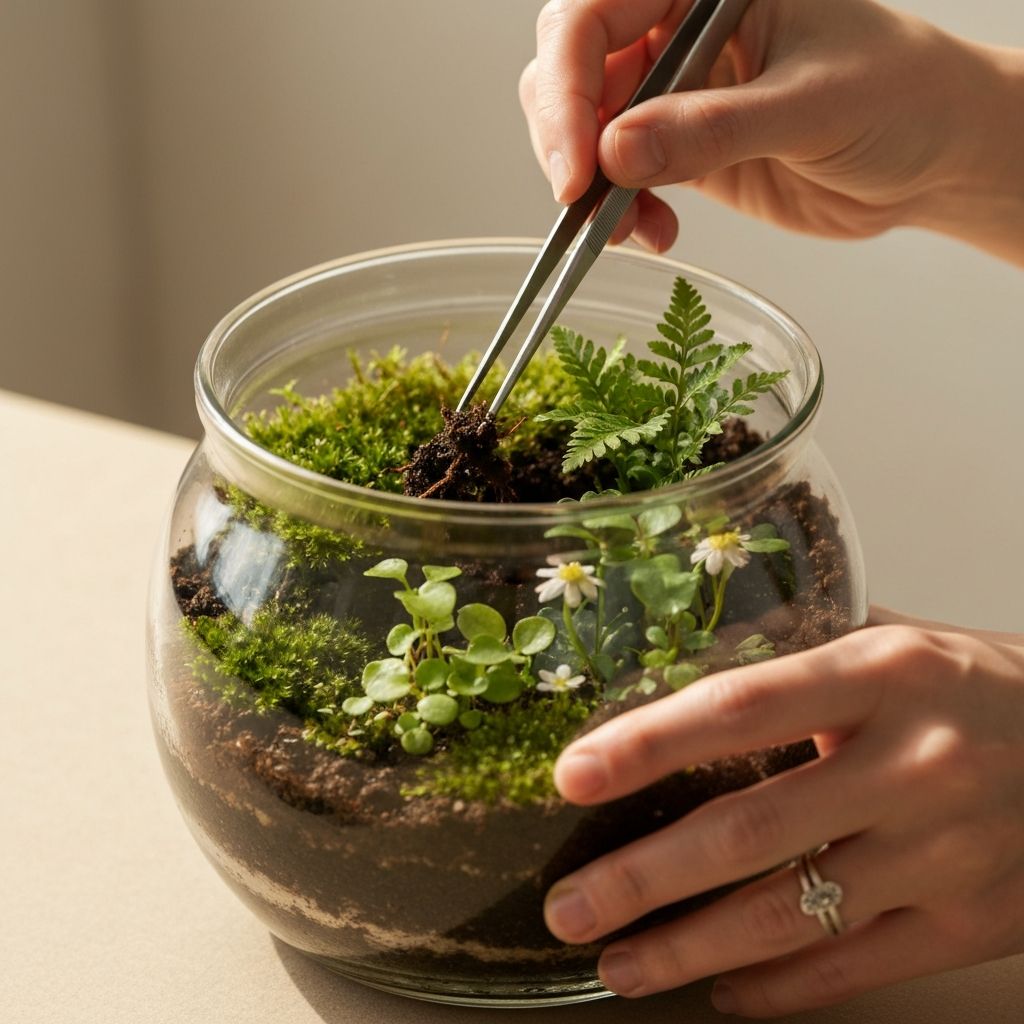
Terrarium Mold: How to Prevent, Identify, and Treat Fungal Growth
Mold is the most common terrarium problem. Learn to identify different types of fungal growth, understand what causes mold, and discover proven methods to treat and prevent it.
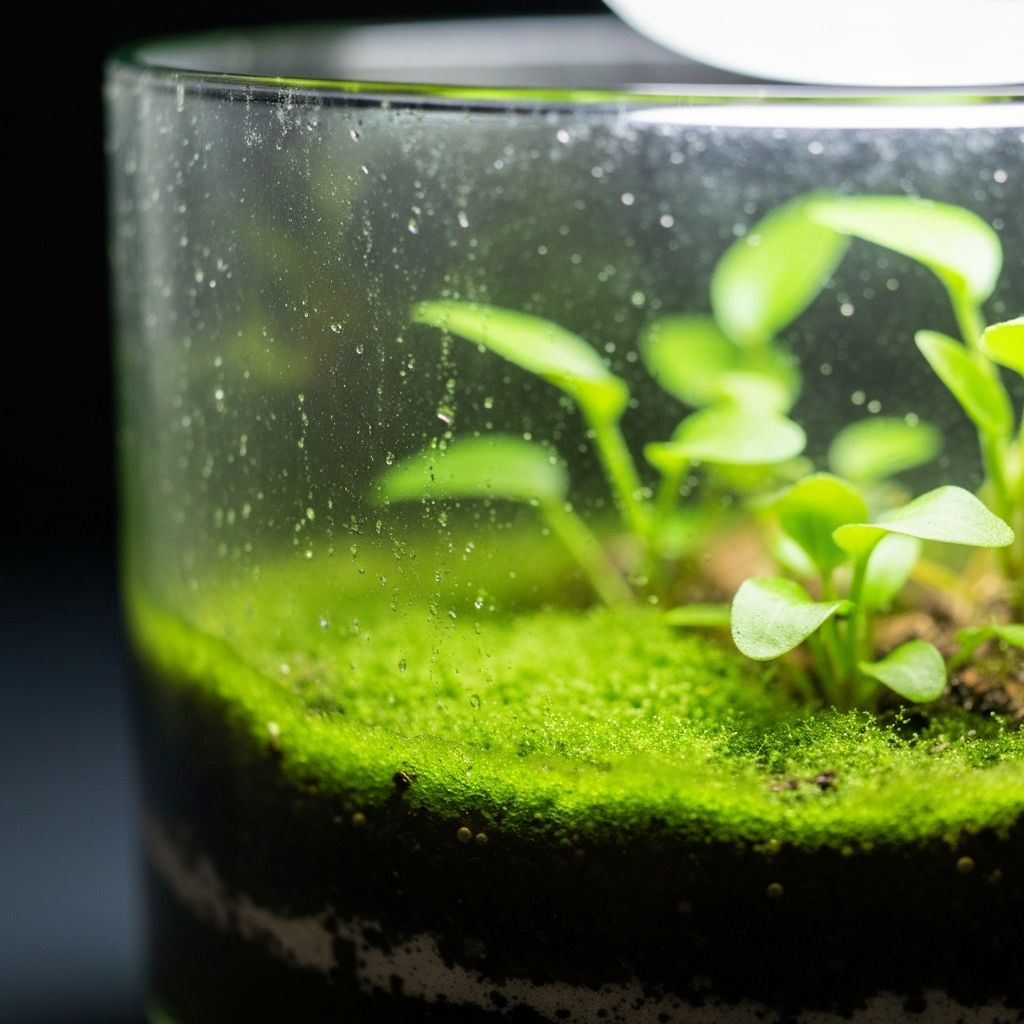
Green Glass Blues: Solving Terrarium Algae Problems
Algae growing on your terrarium glass or soil? Learn why it happens, how to remove it, and prevent it from returning.
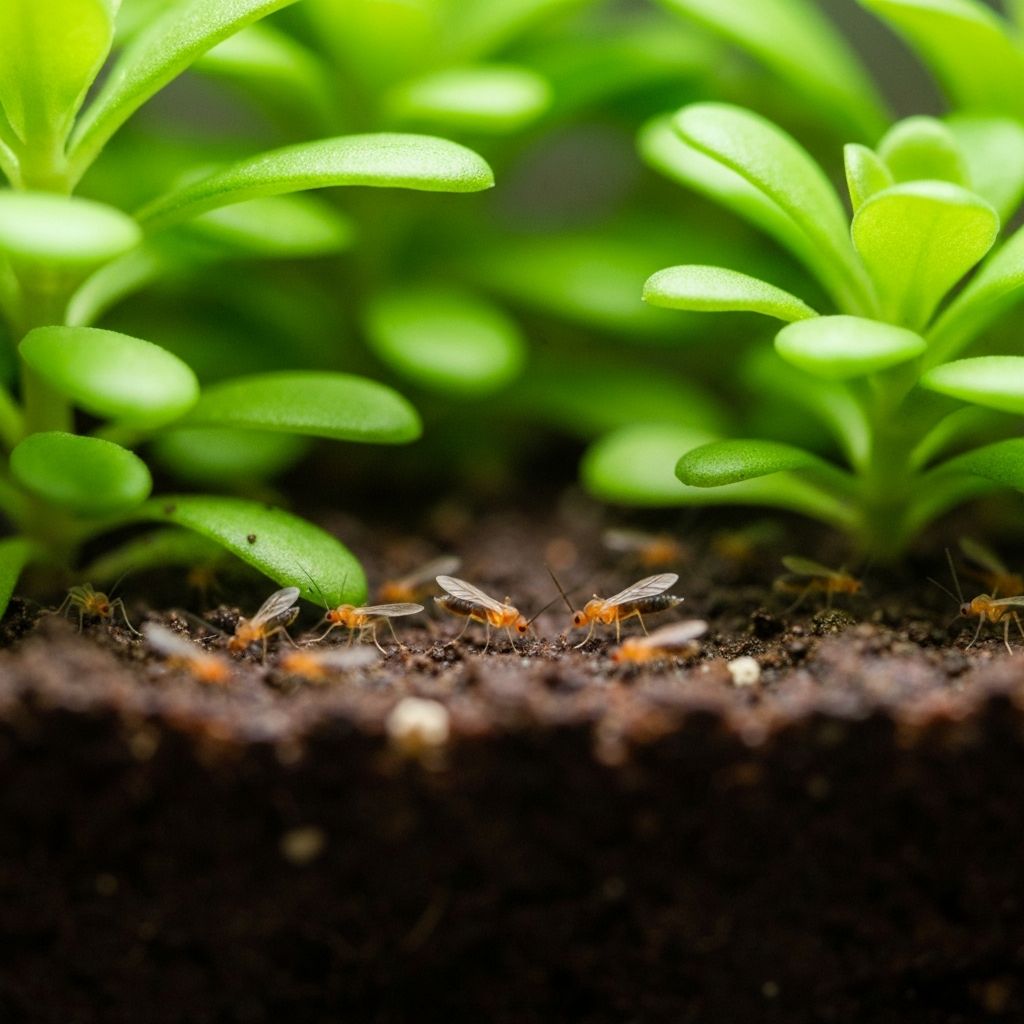
How to Get Rid of Fungus Gnats in Your Terrarium
Fungus gnats are the most common terrarium pest. Learn why they appear, how to eliminate them naturally, and prevent future infestations.