Green Glass Blues: Solving Terrarium Algae Problems
Algae growing on your terrarium glass or soil? Learn why it happens, how to remove it, and prevent it from returning.
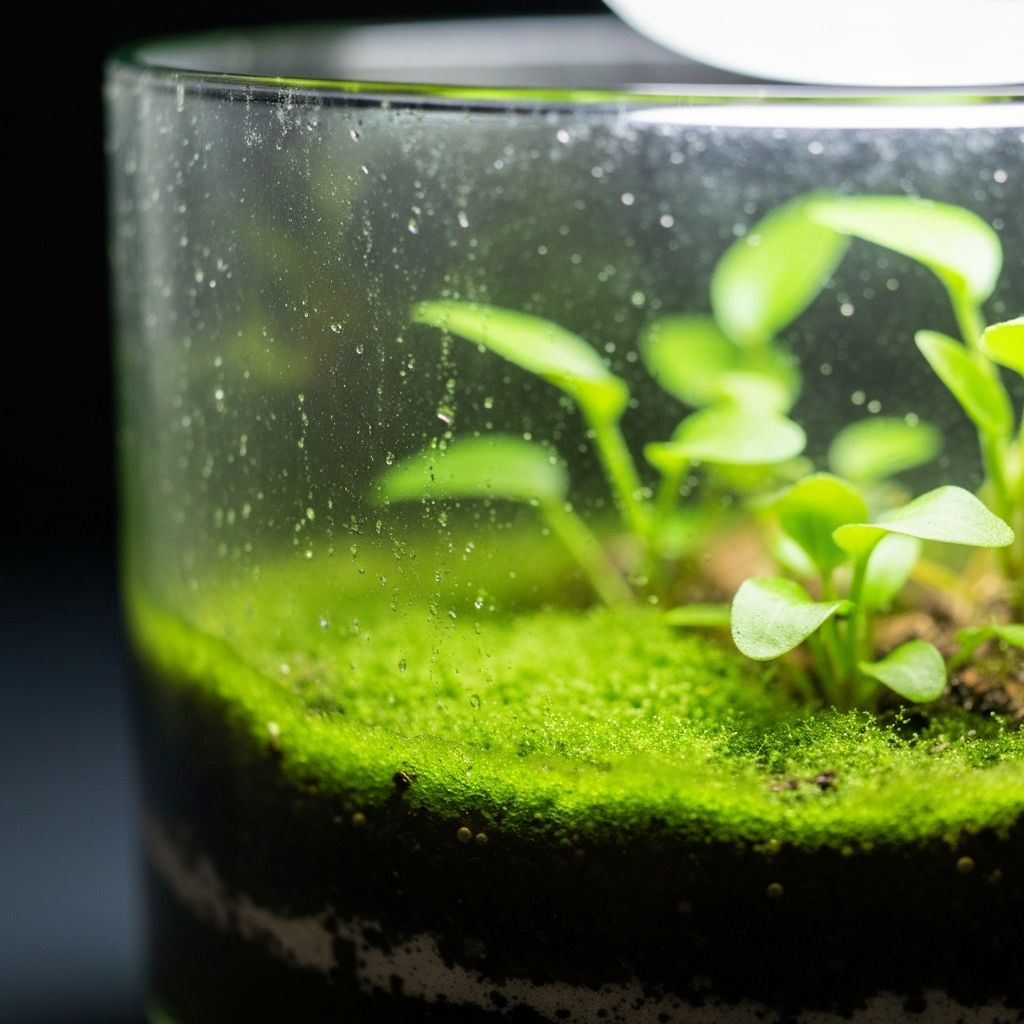
That green film creeping across your terrarium glass or spreading over the soil surface is algae, and while it is not harmful to your plants, it is certainly not the look you were going for. Algae problems are common, especially in new terrariums, but they are entirely solvable.
Understanding Terrarium Algae
What Causes Algae Growth
Algae needs three things to thrive:
- Light - Especially direct sunlight
- Moisture - Always present in terrariums
- Nutrients - From soil, decaying matter, or water
Terrariums provide all three, making some algae growth almost inevitable. The goal is management, not complete elimination.
Types of Algae You Might See
Green film algae:
- Thin green coating on glass
- Most common type
- Usually appears on light-facing surfaces
- Relatively easy to manage
Green water algae:
- Makes water in drainage layer green
- Suspended single-celled algae
- Less common in terrariums
- Harder to eliminate
Hair algae:
- Stringy, thread-like growth
- Attaches to surfaces
- Can smother moss and small plants
- Aggressive once established
Blue-green algae (cyanobacteria):
- Slimy coating, blue-green or black
- Often has musty smell
- Actually bacteria, not true algae
- Indicates poor conditions
Why Your Terrarium Has Algae
Too Much Light
The most common cause:
- Direct sunlight hitting the glass
- Grow lights too close or too long
- South or west-facing windows without shading
- Bright light + moisture = algae paradise
Excess Nutrients
Algae feeds on dissolved nutrients:
- Rich potting soil near glass
- Decomposing plant material
- Overfeeding (in bioactive setups)
- Fertilizer residue (never fertilize terrariums)
Poor Circulation
Stagnant conditions favor algae:
- Completely sealed containers
- Dense planting blocking airflow
- Water pooling in corners
- No air exchange
New Terrarium Syndrome
Fresh terrariums are prone to algae:
- Nutrients leaching from new substrate
- System not yet balanced
- Plants not established enough to compete
- Often resolves as terrarium matures
Immediate Removal
Glass Cleaning
For algae on interior glass surfaces:
Tools:
- Magnetic glass cleaner (aquarium type)
- Long-handled scraper or razor
- Paper towels on long tweezers
- Dedicated terrarium brush
Method:
- Open terrarium for access
- Scrape or wipe affected areas
- Collect debris rather than pushing into soil
- Wipe exterior glass for comparison
- Rinse tools before storing
For curved or difficult surfaces:
- Wrap paper towel around chopstick
- Use cotton swabs for corners
- Magnetic cleaners work through curved glass
- Be patient with complex shapes
Soil Surface Algae
Green growth on substrate:
Light cases:
- Scrape off visible algae
- Add thin layer of fresh substrate
- Increase air circulation
- Reduce light exposure
Severe cases:
- Remove top 1/2 inch of affected soil
- Replace with fresh, sterilized substrate
- Consider adding cleanup crew (springtails)
- Address underlying cause
Hardscape Algae
Algae on rocks, wood, and decorations:
Removal:
- Remove item from terrarium
- Scrub with stiff brush
- Rinse thoroughly
- Boil if heat-safe (rocks, some wood)
- Sun-dry completely before returning
Prevention:
- Position away from direct light
- Ensure drainage beneath items
- Avoid porous materials in problem areas
Prevention Strategies
Light Management
The most effective prevention:
Reduce intensity:
- Move away from windows
- Add sheer curtain between terrarium and light
- Reduce grow light hours
- Increase distance from light source
Reduce duration:
- 8-10 hours light maximum
- Use timer for consistency
- No light needed overnight
- Dawn/dusk simulation not necessary
Direct sun rules:
- Never position in direct sunlight
- Morning sun (1-2 hours) may be acceptable
- Afternoon sun is too intense
- Dappled light through trees is ideal
Water Quality
Nutrients in water feed algae:
- Use distilled or RO water
- Avoid tap water (contains minerals)
- Do not overwater
- Remove standing water from drainage
Organic Matter Control
Reduce available nutrients:
- Remove dead leaves promptly
- Trim dying plant material
- Avoid over-planting
- Use clean, sterile substrate
Biological Competition
Establish beneficial organisms:
Springtails:
- Eat algae and organic debris
- Outcompete algae for resources
- Self-sustaining populations
- Add during initial setup or anytime
Isopods:
- Consume decaying matter
- Reduce nutrient availability
- Best for larger terrariums
- May eat delicate plants
Plants:
- Healthy plants absorb nutrients
- Dense planting shades surfaces
- Fast growers reduce algae food
- Established terrariums have less algae
Air Circulation
Break stagnant conditions:
- Open lid briefly every few days
- Do not seal completely
- Leave small gap in lid
- Avoid overcrowding plants
Special Cases
Algae in Drainage Layer
Green water in the rocks at bottom:
Solutions:
- Add activated charcoal to filter
- Siphon out colored water
- Reduce light reaching bottom
- Accept some is inevitable
Prevention:
- Use opaque barrier between drainage and soil
- Position terrarium to shade bottom
- Ensure good drainage separation
Algae on Moss
When algae grows on living moss:
Challenge: Cannot scrub without damaging moss
Solutions:
- Reduce light significantly
- Ensure good air circulation
- Pick off worst patches gently
- Let moss outgrow mild cases
- Add springtails to graze algae
Severe cases:
- May need to replace moss
- Address conditions first
- Choose algae-resistant moss species
Recurring Algae
If algae returns repeatedly:
Checklist:
- [ ] Light truly reduced?
- [ ] Using pure water?
- [ ] Removing dead material?
- [ ] Good air circulation?
- [ ] Cleanup crew present?
Consider:
- Repositioning terrarium entirely
- Rebuilding with less rich substrate
- Adding more plants for competition
- Using naturally algae-resistant containers
When Algae Is Acceptable
Not all algae needs removal:
Hidden areas:
- Back of container
- Under hardscape
- In drainage layer
- Behind plants
Aesthetic choice:
- Some enjoy the aged look
- Natural in forest scenes
- Can indicate healthy moisture
- Personal preference matters
Bioactive systems:
- Algae feeds springtails
- Part of natural ecosystem
- Only remove if excessive
- Balance develops over time
Timeline Expectations
New terrariums (Month 1-2):
- Some algae is normal
- Clean as needed
- Focus on establishing plants
- System is still balancing
Established terrariums (Month 3+):
- Algae should decrease
- Plants compete more effectively
- Cleanup crews mature
- Only periodic cleaning needed
Mature terrariums (Year 1+):
- Minimal algae typical
- Self-regulating ecosystem
- Rare intervention needed
- Any new algae indicates change in conditions
Conclusion
Algae in terrariums is a sign of too much light, too many nutrients, or not enough competition for resources. The solution is usually simple: reduce light exposure and let the ecosystem mature. Rather than fighting algae constantly, address the root causes and let biological processes take over. A well-balanced terrarium with appropriate lighting, good drainage, and an active cleanup crew will naturally resist algae overgrowth.
Tags
Written by
Sarah Chen
A contributing writer at Terrarium Guide. Our team is dedicated to providing well-researched, accurate, and helpful content to our readers.
Learn more about our teamRelated Articles
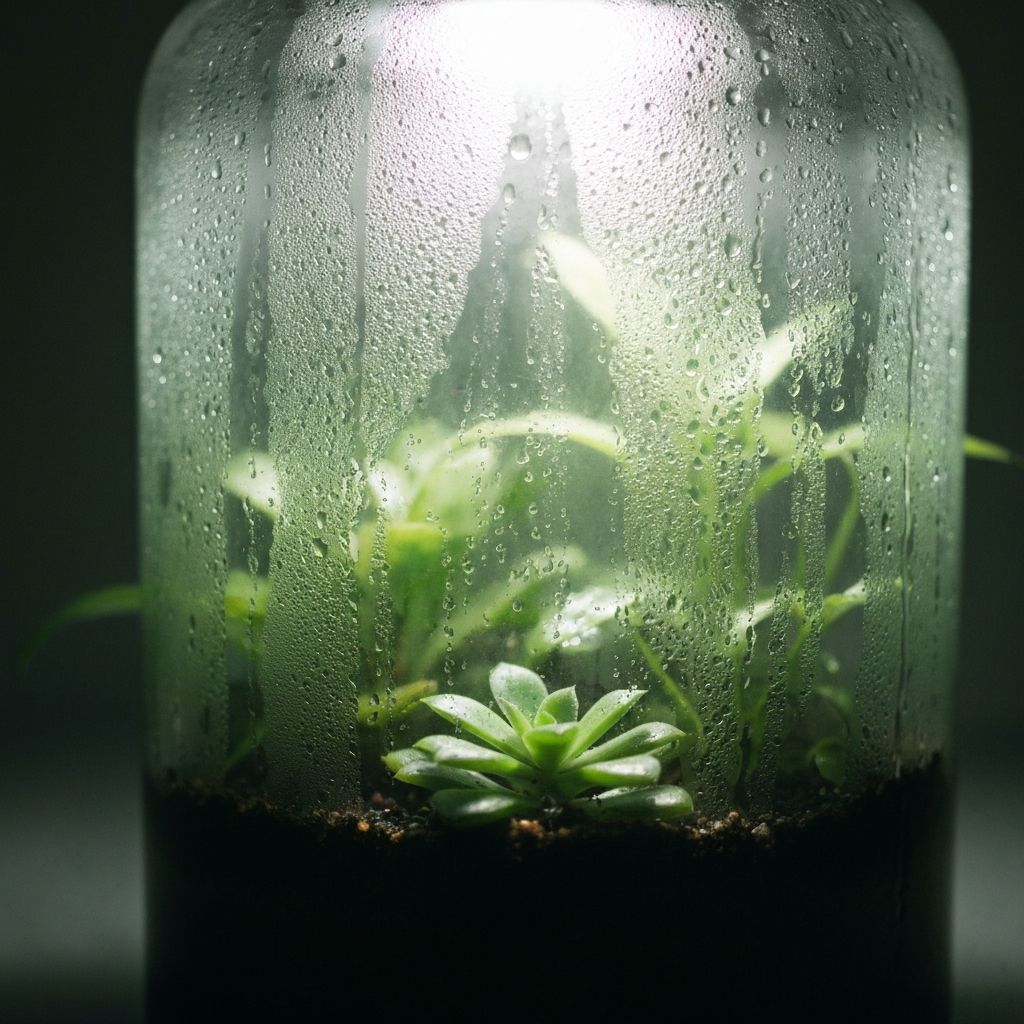
Terrarium Condensation: How Much Is Too Much?
Learn to read condensation levels in your closed terrarium, when to ventilate, and how to achieve the perfect moisture balance.
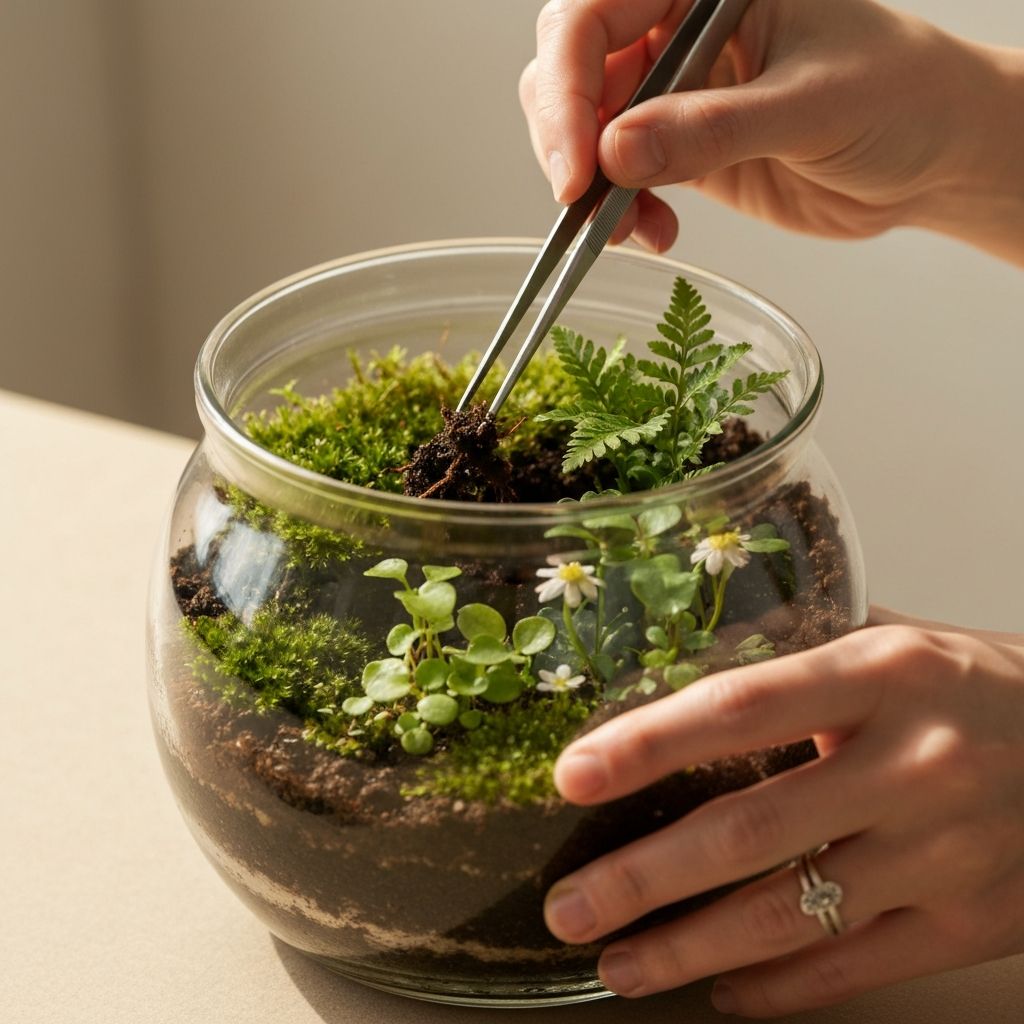
Terrarium Mold: How to Prevent, Identify, and Treat Fungal Growth
Mold is the most common terrarium problem. Learn to identify different types of fungal growth, understand what causes mold, and discover proven methods to treat and prevent it.
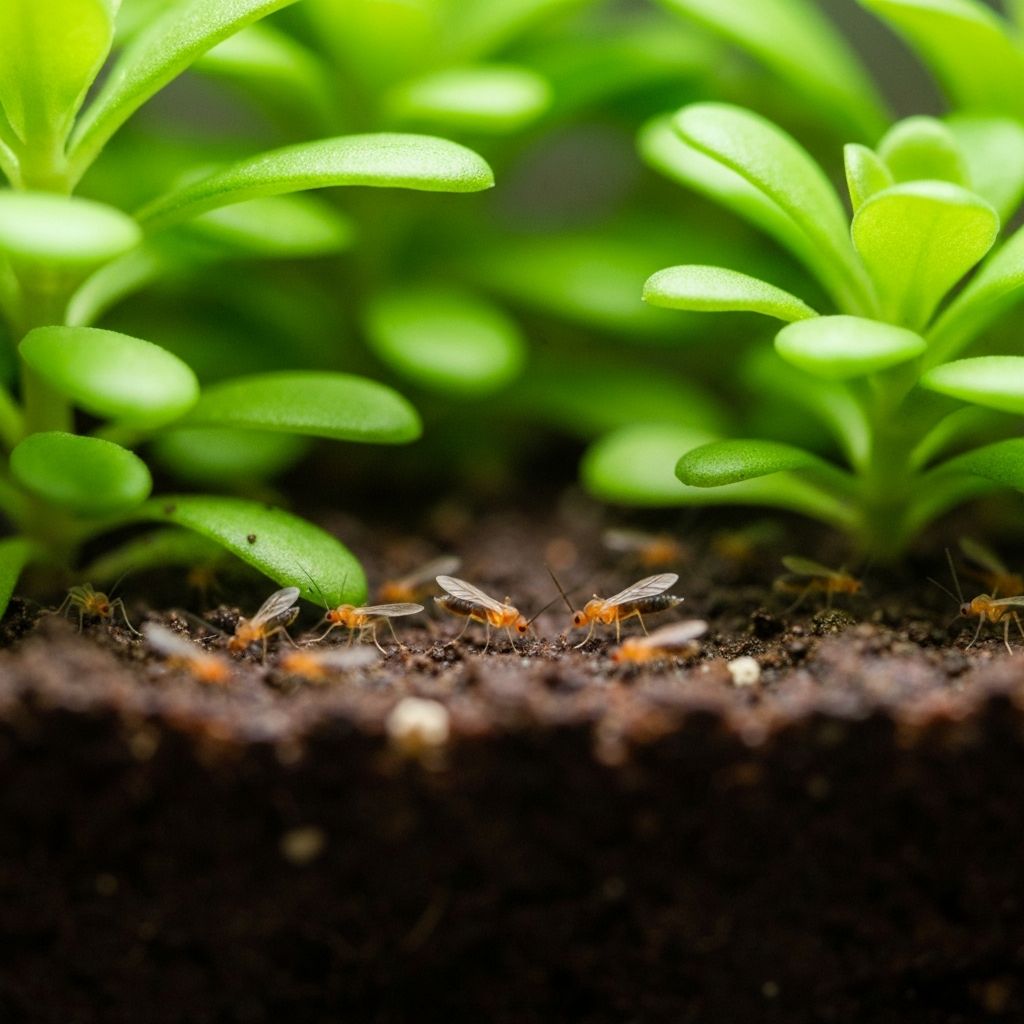
How to Get Rid of Fungus Gnats in Your Terrarium
Fungus gnats are the most common terrarium pest. Learn why they appear, how to eliminate them naturally, and prevent future infestations.