Terrarium Mold: How to Prevent, Identify, and Treat Fungal Growth
Mold is the most common terrarium problem. Learn to identify different types of fungal growth, understand what causes mold, and discover proven methods to treat and prevent it.
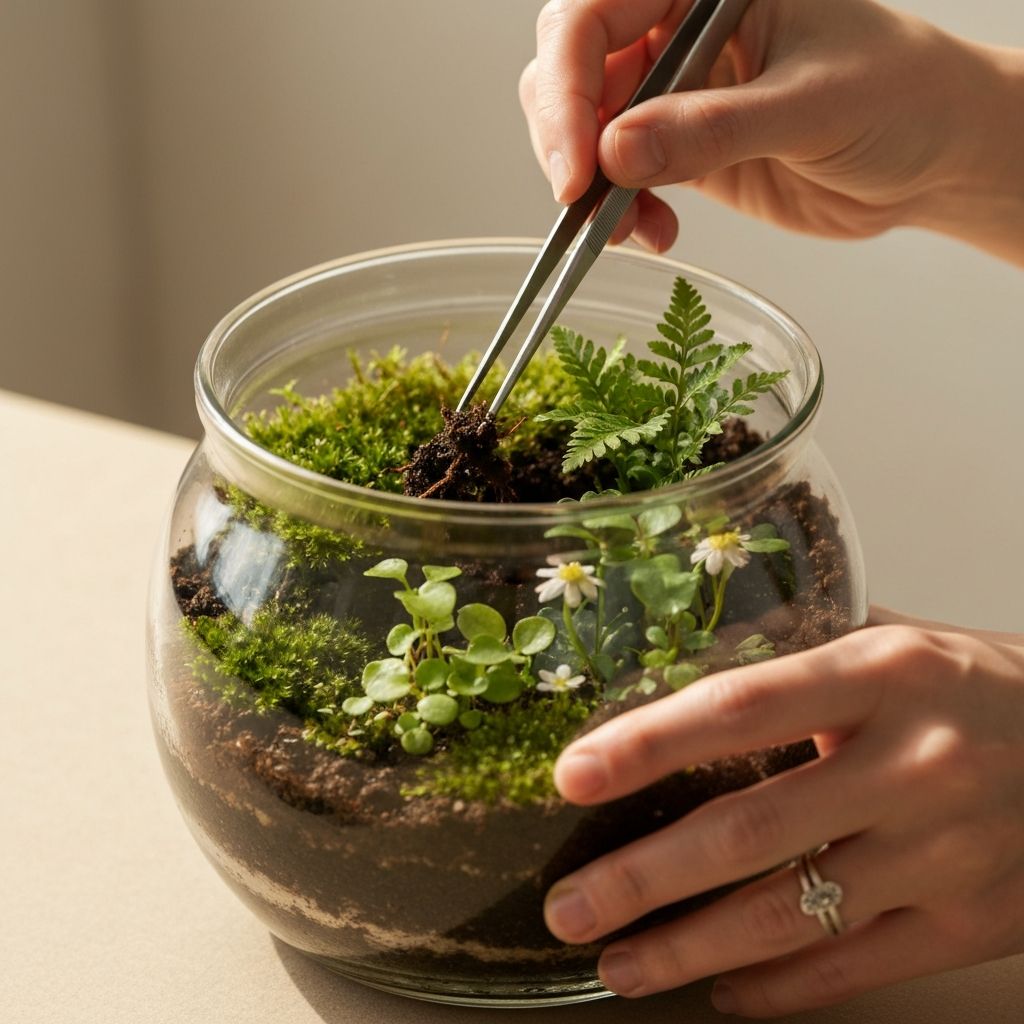
If you build terrariums long enough, you will encounter mold. The warm, humid environment that plants love also provides ideal conditions for fungal growth.
The good news: most mold is manageable and does not mean your terrarium is ruined. Understanding why mold appears and how to address it will save your miniature ecosystem.
Why Mold Grows in Terrariums
Mold requires three things to thrive:
- Moisture: Terrariums have plenty
- Organic matter: Dead leaves, wood, and soil provide food
- Poor air circulation: Closed containers limit airflow
New terrariums are particularly vulnerable because:
- Fresh substrate contains dormant spores
- Newly planted specimens may have stressed or damaged tissue
- The ecosystem has not yet established beneficial microorganisms that compete with mold
Types of Mold You Will Encounter
White Fuzzy Mold
The most common type in terrariums. Appears as white, cotton-like growth on soil, wood, or plant debris.
Cause: Usually triggered by decaying organic matter, particularly dead leaves or wood that was not properly prepared.
Severity: Generally harmless to healthy plants. Primarily a cosmetic issue unless it spreads extensively.
Gray Mold (Botrytis)
Gray or brown fuzzy growth, often starting on damaged plant tissue before spreading.
Cause: Enters through wounds on plants. Thrives in stagnant, humid conditions.
Severity: Can damage and kill plants if not addressed. More aggressive than white mold.
Black Mold
Dark spots or patches on soil, wood, or container walls.
Cause: Often develops in excessively wet conditions with poor drainage.
Severity: Can indicate serious moisture problems. Some black molds produce irritating spores.
Pink or Orange Mold
Brightly colored growth, sometimes on wood or substrate.
Cause: Specific fungal species attracted to certain organic materials.
Severity: Usually not harmful to plants but can spread if conditions persist.
Immediate Treatment Steps
When you spot mold, act quickly:
Step 1: Remove Visible Mold
Use tweezers or a small spoon to physically remove mold and surrounding substrate. Dispose of contaminated material outside your home.
If mold grows on decorative elements like wood or stones, remove them for cleaning.
Step 2: Increase Ventilation
Open your terrarium lid for several hours. For closed terrariums, leave the lid off overnight or longer to reduce humidity and increase airflow.
Step 3: Assess Moisture Levels
Check your substrate moisture. If it feels wet when pressed, your terrarium is too moist. Leave it open until the top layer dries slightly.
Step 4: Remove Dead Material
Dead leaves, flowers, or plant parts should be removed immediately. They provide food for mold and accelerate spreading.
Treatment Options for Persistent Mold
If mold returns after basic treatment:
Hydrogen Peroxide Solution
Mix 1 part 3% hydrogen peroxide with 4 parts water. Apply directly to affected areas with a spray bottle or cotton swab.
The peroxide kills mold on contact without harming most terrarium plants. Avoid saturating the substrate.
Activated Charcoal
Add a thin layer of activated charcoal to affected areas. Charcoal naturally inhibits fungal growth and absorbs excess moisture.
Cinnamon Treatment
Ground cinnamon has natural antifungal properties. Dust a light layer over problem areas. This is particularly effective on soil surfaces.
Full Substrate Replacement
For severe or recurring mold, consider removing and replacing contaminated substrate. This is drastic but sometimes necessary.
Prevention Strategies
Preventing mold is easier than treating it.
Proper Material Preparation
Wood: Boil driftwood or decorative wood for 15-20 minutes before use. This kills dormant spores and waterlogged the wood so it will not float or absorb excess moisture from your terrarium.
Substrate: Some builders sterilize substrate by baking it at 200°F for 30 minutes. This kills mold spores but also beneficial organisms.
Plants: Inspect plants carefully before adding them. Remove any dead or damaged leaves.
Establish Beneficial Microbes
A healthy terrarium contains springtails and isopods, tiny creatures that consume mold, fungus, and decaying organic matter.
Consider adding a springtail culture to new terrariums. These nearly invisible helpers compete with mold for food and dramatically reduce fungal problems.
Maintain Proper Moisture Balance
Most mold problems trace back to excess moisture:
- Start with less water than you think you need
- Monitor condensation levels daily for the first few weeks
- Open the lid if fog obscures your view
- Ensure proper drainage layers
Regular Maintenance
- Remove dead leaves immediately
- Trim dying plant material
- Clean glass interior periodically
- Inspect weekly for early mold signs
When Mold is Acceptable
Not all fungal growth requires intervention.
Mycelium networks: White threads spreading through substrate may be beneficial fungi breaking down organic matter. This is different from fuzzy surface mold.
Mushrooms: Occasional mushroom fruiting indicates a healthy, established ecosystem. They typically appear once and disappear. You can remove them or leave them.
Brief appearances after planting: Some mold in the first week or two of a new terrarium is normal. It often resolves on its own as the ecosystem stabilizes.
Salvaging a Severely Moldy Terrarium
If mold has overtaken your terrarium:
- Remove all plants and set them aside
- Discard all substrate and organic materials
- Clean the container thoroughly with hot water and white vinegar
- Rinse completely and let dry
- Start fresh with new, prepared materials
- Replant after inspecting each plant for mold
Plants can often be saved even when substrate is lost. Rinse roots gently and inspect for rot before replanting.
Final Thoughts
Mold is frustrating but rarely fatal to terrariums. Most cases respond to improved ventilation and moisture management.
The best approach combines prevention through proper setup with quick intervention when problems appear. Over time, you will learn to spot early warning signs and address them before mold establishes.
If a particular terrarium struggles with recurring mold despite your efforts, sometimes starting fresh is the most efficient solution.
Tags
Written by
Sarah Chen
A contributing writer at Terrarium Guide. Our team is dedicated to providing well-researched, accurate, and helpful content to our readers.
Learn more about our teamRelated Articles
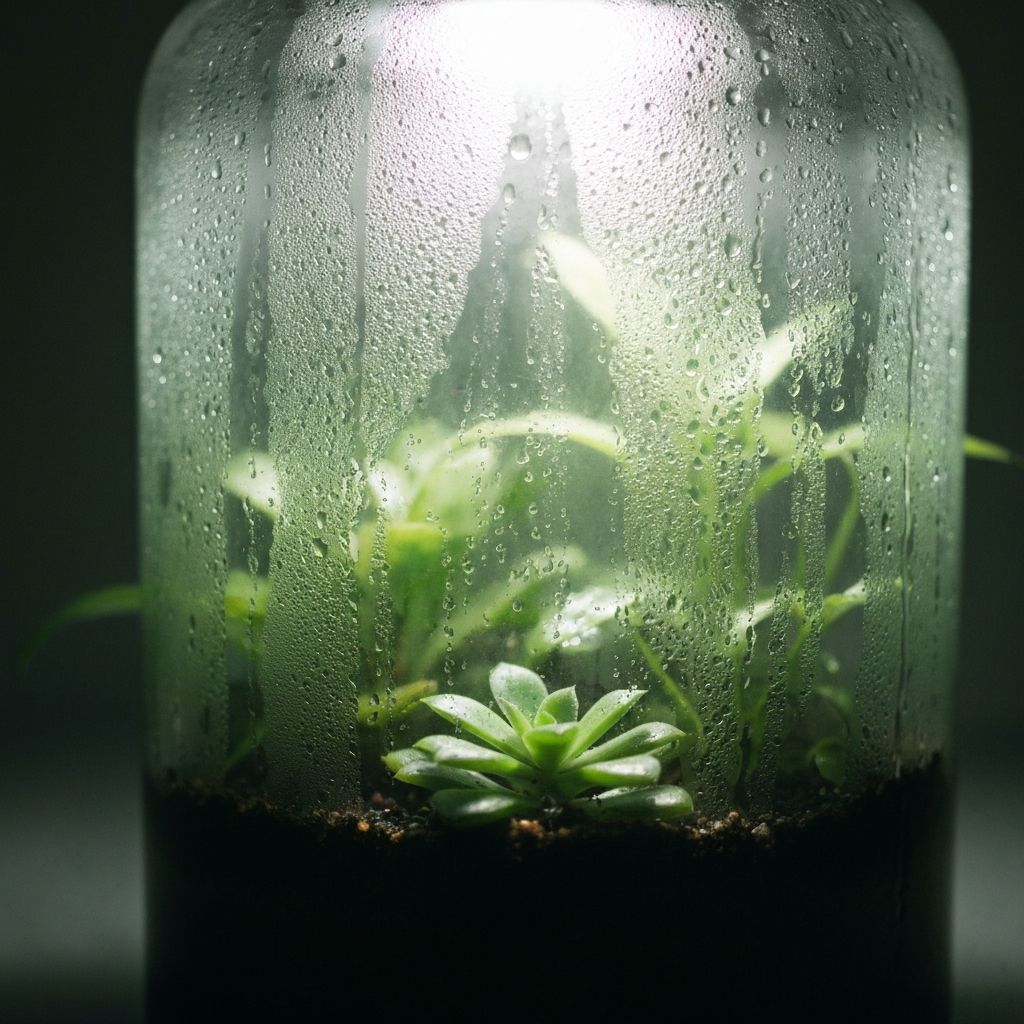
Terrarium Condensation: How Much Is Too Much?
Learn to read condensation levels in your closed terrarium, when to ventilate, and how to achieve the perfect moisture balance.
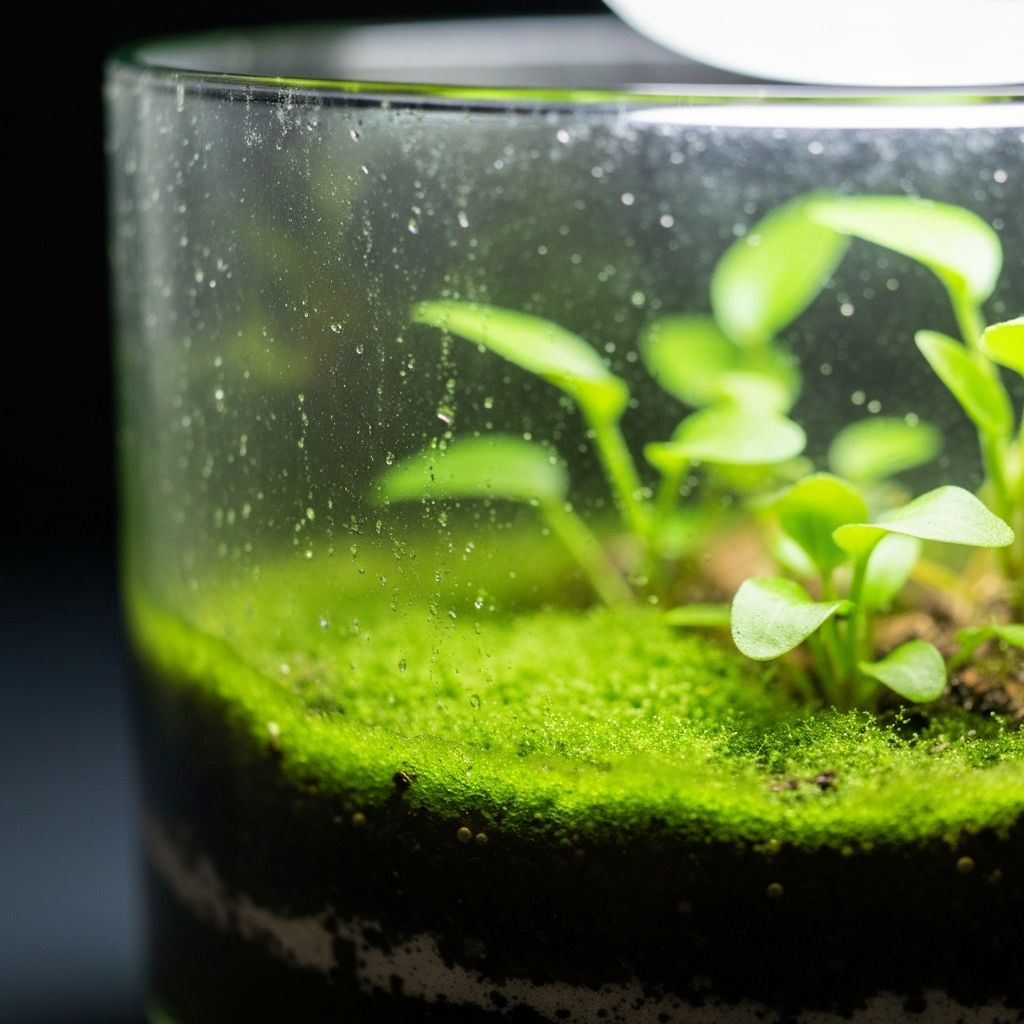
Green Glass Blues: Solving Terrarium Algae Problems
Algae growing on your terrarium glass or soil? Learn why it happens, how to remove it, and prevent it from returning.
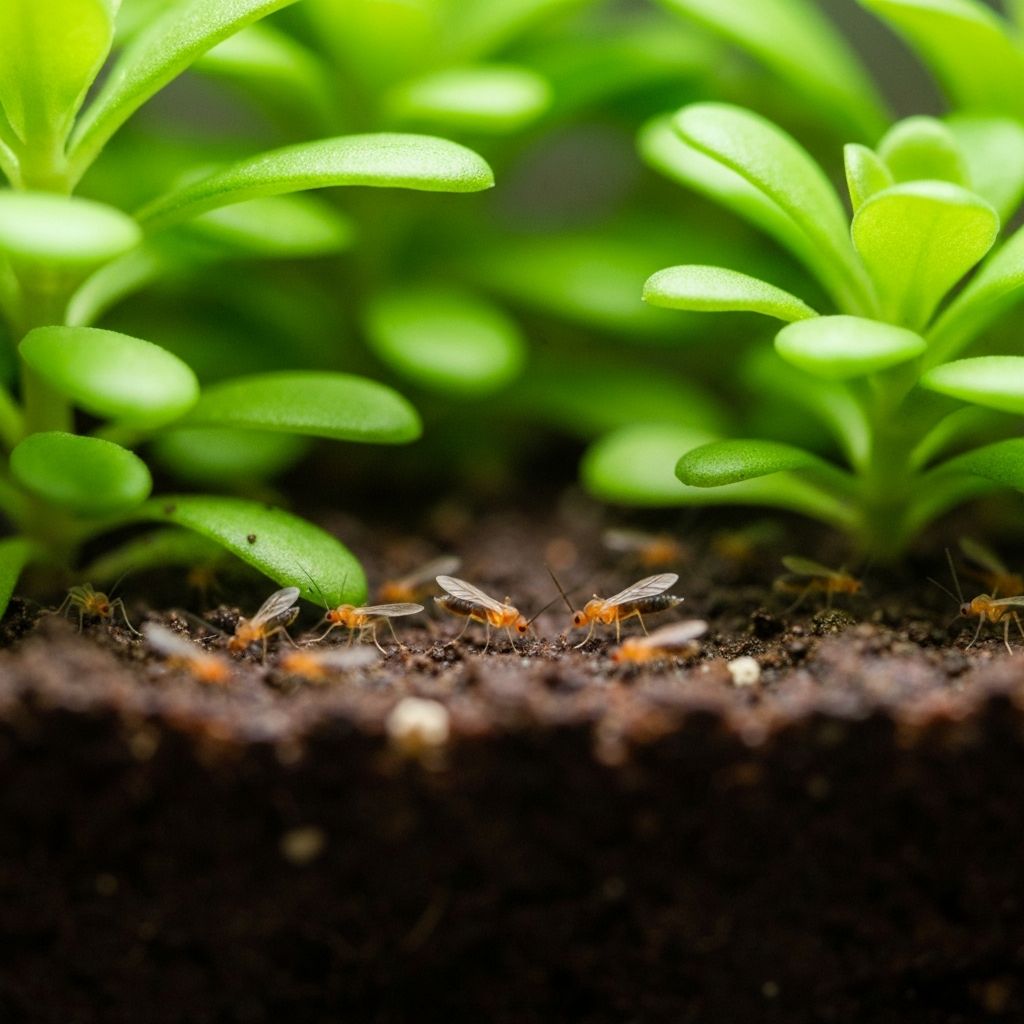
How to Get Rid of Fungus Gnats in Your Terrarium
Fungus gnats are the most common terrarium pest. Learn why they appear, how to eliminate them naturally, and prevent future infestations.