Activated Charcoal in Terrariums: Essential or Optional?
Understand the role of activated charcoal in terrarium substrate, when you actually need it, and alternatives if you don't have it.
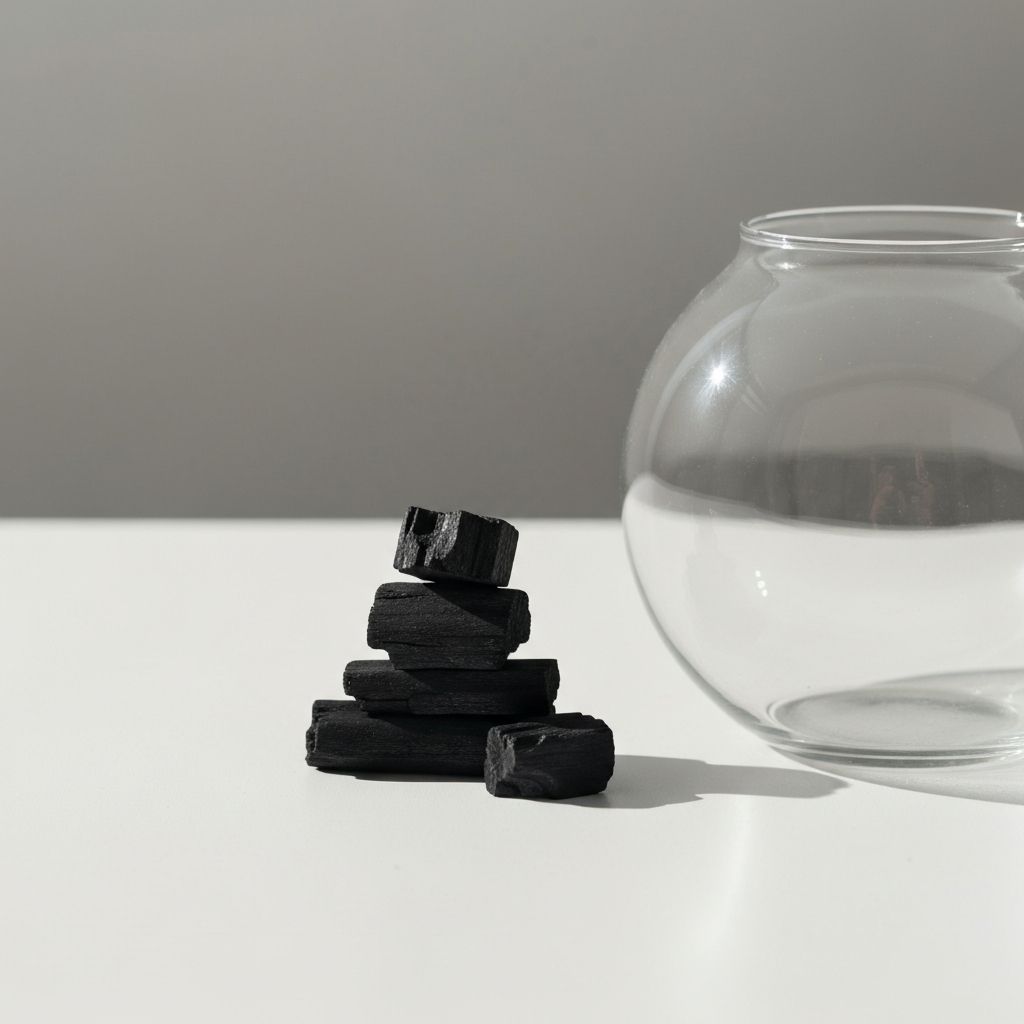
Activated charcoal appears in almost every terrarium guide's supply list. But do you actually need it? This guide examines what charcoal does, when it matters, and when you can skip it.
What Is Activated Charcoal?
Activated charcoal (also called activated carbon) is carbon processed to have millions of tiny pores. This creates an enormous surface area: one gram can have over 3,000 square meters of surface area.
This porous structure allows activated charcoal to adsorb (trap on its surface) many types of molecules, including:
- Organic compounds
- Some toxins
- Odor-causing chemicals
- Certain impurities in water
Activated charcoal is different from regular charcoal, BBQ briquettes, or burnt wood. The activation process creates the porous structure that makes it useful.
The Claimed Benefits
Odor Control
Closed terrariums can develop musty or sour smells when organic matter decomposes anaerobically (without oxygen). Activated charcoal adsorbs some of these odor compounds.
Toxin Filtration
As water moves through the substrate, charcoal may trap harmful substances before they reach plant roots.
Water Purification
Charcoal filters water, removing some impurities as moisture cycles through the system.
Preventing Mold
Some claim charcoal prevents mold by adsorbing mold spores or compounds that promote fungal growth.
The Reality Check
What Science Says
Activated charcoal does work as a filter in many applications, from water purification to medical use. However, its effectiveness in small terrarium amounts is debatable.
The limitation: Activated charcoal eventually saturates. Once its pores fill with adsorbed material, it stops working. In water filters, charcoal is replaced regularly. In terrariums, it sits there indefinitely.
The quantity question: The thin layer used in terrariums (1/4 to 1/2 inch) may not contain enough charcoal to meaningfully filter the system long-term.
What Experienced Builders Say
Opinions in the terrarium community vary:
Pro-charcoal camp:
- "It doesn't hurt and might help"
- "My terrariums with charcoal smell fresher"
- "It's cheap insurance"
Skeptical camp:
- "I've built successful terrariums without it for years"
- "Proper drainage and ventilation matter more"
- "It's one of many terrarium myths"
The Honest Assessment
Activated charcoal probably provides modest benefits in:
- Initial filtration when the terrarium is new
- Some odor reduction
- Peace of mind for the builder
It's unlikely to:
- Prevent mold (mold is about moisture and ventilation)
- Make or break your terrarium
- Continue working indefinitely
When Charcoal Is Most Useful
Closed Terrariums
The sealed environment concentrates any odors or toxins. Charcoal provides a buffer, especially in the early weeks as the system establishes.
Containers Without Drainage Holes
When water can't escape, having a filtration layer adds safety margin.
When Using Unknown Soil
If you're not certain your potting mix is sterile or free from additives, charcoal adds protection.
Large Terrariums
Bigger systems produce more decomposing organic matter. The charcoal layer scales with size.
When You Can Skip It
Open Terrariums
Air circulation handles odor. Water evaporates rather than cycling through substrate.
Containers with Drainage
If excess water drains out completely, filtration is less critical.
Simple Moss Terrariums
Minimal organic matter means minimal decomposition.
Short-Term Projects
If you're building a temporary display, the charcoal will outlast the project anyway.
Alternatives and Substitutes
If you don't have activated charcoal:
Horticultural Charcoal
Regular horticultural charcoal isn't activated but still provides some benefits. It's more porous than regular wood charcoal and is commonly available at garden centers.
Skip It Entirely
Focus instead on:
- Excellent drainage layer
- Proper ventilation
- Not overwatering
- Quality soil mix
These factors matter more than charcoal presence.
Extra Perlite
Additional perlite in your soil mix improves drainage and aeration, addressing some of the same concerns charcoal targets.
How to Use Charcoal (If You Choose To)
Purchasing
Buy from:
- Terrarium suppliers
- Garden centers (horticultural charcoal)
- Pet stores (aquarium activated carbon)
- Online retailers
Avoid:
- BBQ briquettes (contain additives)
- Art charcoal (not activated)
- Fire pit ashes (impure)
Preparation
- Rinse charcoal briefly to remove dust
- Let drain; doesn't need to be dry
- Don't crush finely; chunky pieces work better
Layer Placement
Add charcoal after the drainage layer and separation barrier:
- Drainage gravel (bottom)
- Mesh or moss barrier
- Charcoal layer (1/4 to 1/2 inch)
- Soil mix (top)
Quantity
For most terrariums, a thin even layer is sufficient. You don't need inches of charcoal. Coverage matters more than depth.
The Bottom Line
Activated charcoal is a reasonable addition to closed terrariums. It's inexpensive, probably helps modestly, and doesn't hurt. Think of it as an insurance policy: you hope you never need it, but it's nice to have.
However, don't stress if you can't find it. Proper drainage, appropriate watering, and occasional ventilation matter far more than any charcoal layer. Many beautiful, healthy terrariums exist without any charcoal.
If you're a beginner, include it for peace of mind. If you're experienced and have success without it, there's no need to add it. Either approach can produce thriving terrariums.
Tags
Written by
Sarah Chen
A contributing writer at Terrarium Guide. Our team is dedicated to providing well-researched, accurate, and helpful content to our readers.
Learn more about our teamRelated Articles
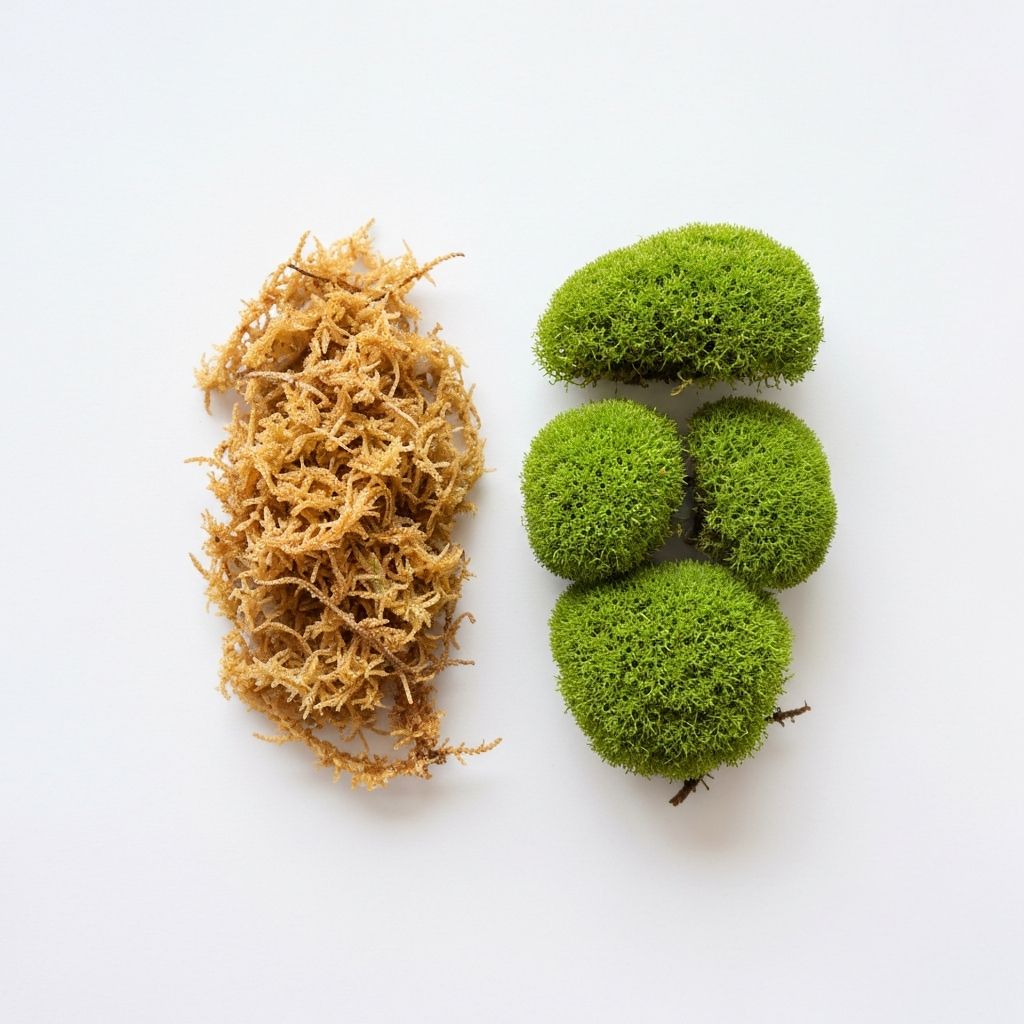
Live vs Dried Sphagnum Moss: Which Should You Use?
Understanding the differences between living and dried sphagnum moss for terrariums, including when to use each and how to keep live sphagnum thriving.
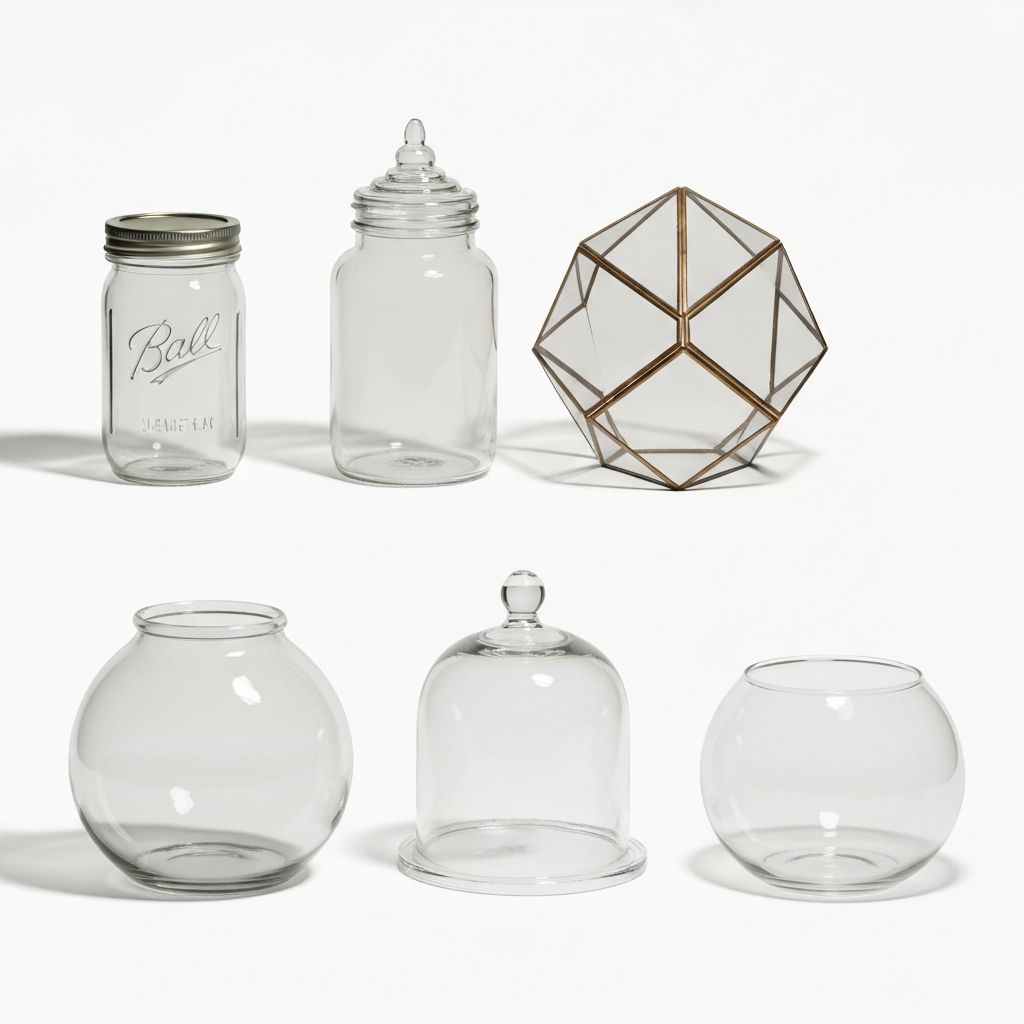
Best Glass Containers for Terrariums: A Buyer's Guide
From mason jars to geometric terrariums, learn which containers work best for different terrarium styles and budgets.
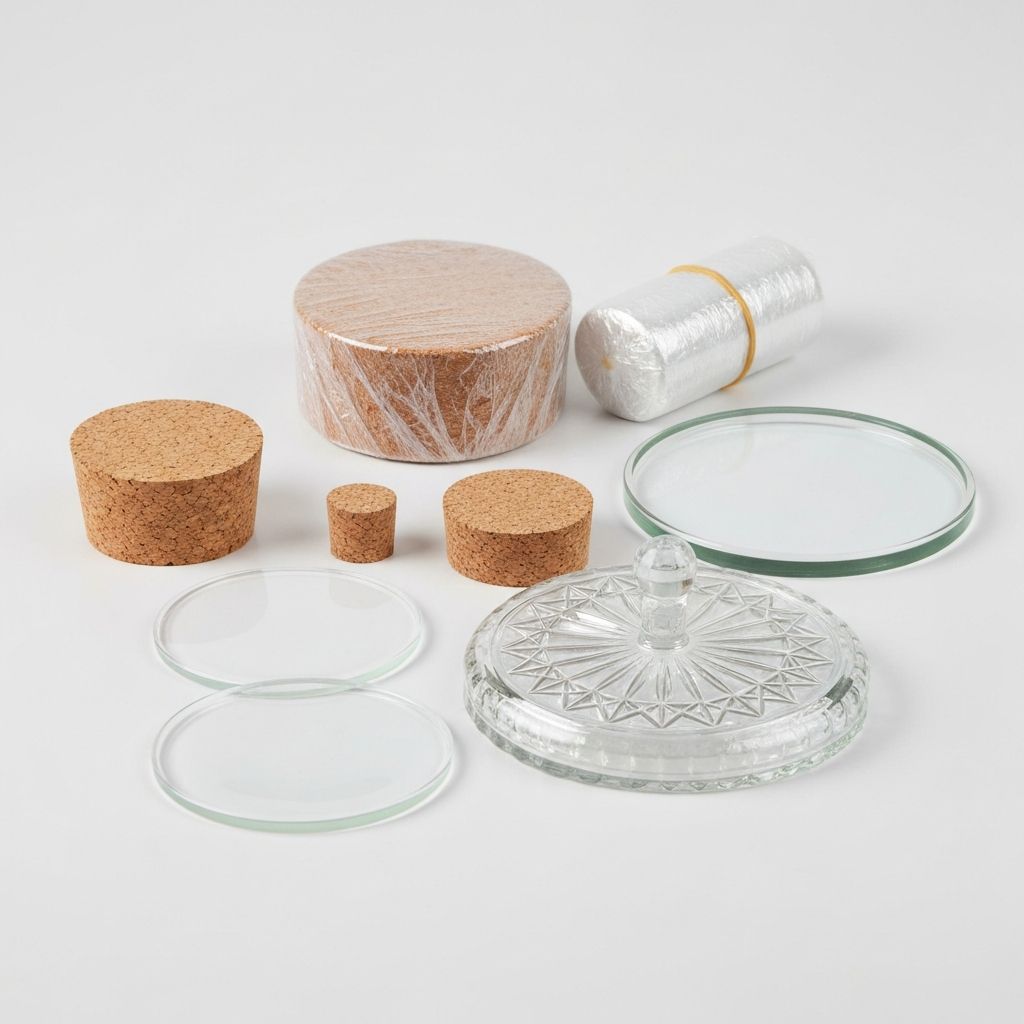
DIY Terrarium Lid Solutions for Any Container
Turn any glass container into a terrarium with these creative lid solutions. From cork to custom-cut glass, find the perfect closure for your build.