DIY Terrarium Lid Solutions for Any Container
Turn any glass container into a terrarium with these creative lid solutions. From cork to custom-cut glass, find the perfect closure for your build.
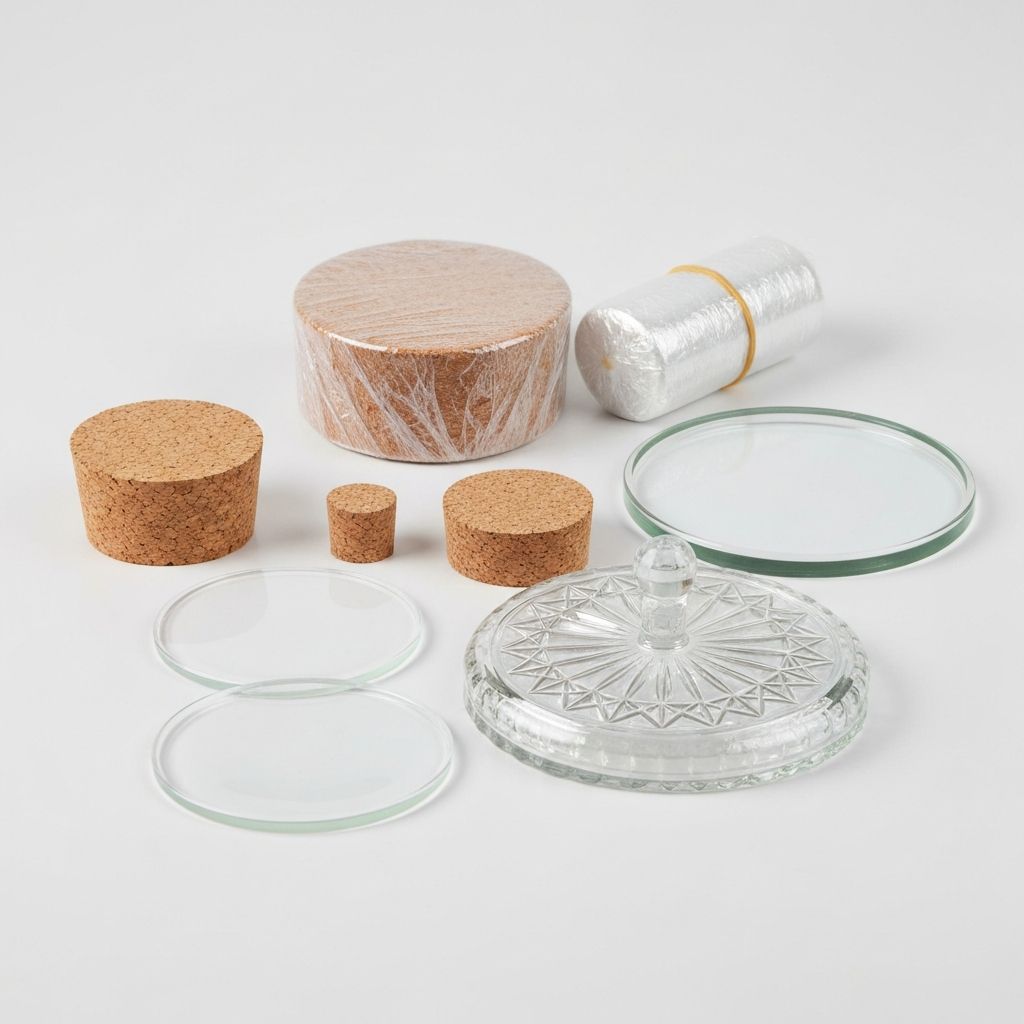
The perfect terrarium container often lacks one crucial element: a proper lid. Antique jars, vases, fishbowls, and unique glass vessels can make stunning terrariums, but closing them requires creativity. This guide covers every lid solution from quick fixes to custom fabrication.
Why Lids Matter
A proper lid serves multiple functions:
- Maintains humidity for tropical plants
- Creates the water cycle in closed terrariums
- Protects from pests and dust
- Controls air exchange for plant health
- Completes the aesthetic of your design
The lid does not need to be airtight. In fact, some air exchange is beneficial. The goal is controlled humidity, not a vacuum seal.
Quick Solutions
Cork Stoppers
Best for: Bottles, jars with round openings
Advantages:
- Widely available in many sizes
- Natural aesthetic
- Easy to remove for maintenance
- Allows minimal air exchange
Finding the right size:
- Measure the inner diameter of your opening
- Choose a cork 1-2mm larger
- Test fit before committing
- Sand to adjust if needed
Sources:
- Wine and homebrew supply stores
- Craft stores
- Online (bulk options available)
Upgrade option: Carve or route a handle into the top for easier removal.
Plastic Wrap
Best for: Temporary closures, testing humidity levels
Method:
- Stretch wrap tightly over opening
- Secure with rubber band
- Poke 2-3 small holes for air exchange
- Replace when worn or dirty
Limitations:
- Not attractive
- Degrades over time
- Difficult to remove for maintenance
- Best as short-term solution only
Petri Dishes
Best for: Wide, flat openings 4-6 inches across
Advantages:
- Laboratory-grade seal
- Clear visibility from above
- Easy to lift off
- Available in many sizes
Where to find:
- Scientific supply websites
- Amazon
- Educational supply stores
Watch Glasses
Best for: Round openings, displaying small specimens
Advantages:
- Curved glass looks elegant
- Available in many diameters
- Creates partial seal
- Used in professional displays
Intermediate Solutions
Cling Film with Frame
More polished than basic plastic wrap.
Materials:
- Heavy-duty cling film
- Embroidery hoop or wire ring
- Hot glue
Assembly:
- Cut cling film larger than opening
- Stretch over inner ring of embroidery hoop
- Secure outer ring tightly
- Trim excess film
- Place frame over container opening
Result: Clean look, easy removal, replaceable film.
Acrylic Circles
Custom-cut acrylic makes excellent lids.
Getting the right size:
- Measure opening diameter precisely
- Order acrylic cut to size (many online services)
- Choose 3-6mm thickness for stability
- Consider a small knob or handle
Cutting your own:
- Score acrylic sheet with utility knife
- Snap along scored line
- Sand edges smooth
- Drill center hole for handle if desired
Advantages:
- Lightweight
- Shatterproof
- Easy to drill for ventilation
- Less expensive than glass
Picture Frame Glass
Repurpose thrift store frames for flat lids.
Method:
- Find a frame larger than your opening
- Remove the glass carefully
- Score and cut to size (or have cut at hardware store)
- Sand edges with fine sandpaper
- Consider adding a knob
Best for: Square or rectangular containers.
Advanced Solutions
Custom Cut Glass
For containers deserving a perfect lid.
Professional cutting:
- Take container to a glass shop
- They can cut and edge-finish to exact size
- Request tempered glass for safety
- Costs vary but usually reasonable for small pieces
DIY glass cutting:
Tools needed:
- Glass cutter
- Straightedge
- Running pliers
- Safety glasses
- Fine sandpaper or diamond file
Process:
- Clean glass thoroughly
- Mark cutting line
- Score once with firm, consistent pressure
- Position score line at table edge
- Snap cleanly with running pliers
- Smooth all edges
Safety note: Always wear eye protection and gloves. Glass edges are sharp until finished.
Cork Sheet Lids
Create custom cork lids for any shape.
Materials:
- Cork sheet (6-10mm thick)
- Sharp craft knife
- Contact cement
- Template material (cardboard)
Process:
- Create cardboard template of opening
- Trace onto cork sheet
- Cut with sharp blade
- Test fit and trim as needed
- Layer multiple sheets for thickness
Finishing options:
- Seal with polyurethane
- Add fabric covering
- Attach decorative knob
Hinged Lids
For containers you access frequently.
Materials:
- Cut-to-size lid (glass or acrylic)
- Small brass hinges
- UV-resistant adhesive
- Magnetic catch (optional)
Assembly:
- Attach hinges to lid with adhesive
- Allow to cure completely (24 hours)
- Position and attach to container
- Add magnetic catch for secure closure
Best for: Display terrariums, vivariums, feeding access.
Solutions by Container Type
Apothecary Jars (Missing Lids)
Options in order of preference:
- Check eBay for replacement lids
- Cork stopper sized to inner rim
- Watch glass or petri dish on top
- Custom acrylic with knob
Fish Bowls
Challenging due to curved rims:
- Clear acrylic larger than opening (sits on rim)
- Stretched cling film with decorative ring
- Large petri dish
- Leave partially open (for open terrariums)
Wine Decanters
Beautiful but narrow openings:
- Cork stopper (most elegant)
- Tapered rubber stopper
- Glass marble or ball (decorative)
Cookie Jars
Often have broken seals:
- Silicone gasket replacement
- Plumber's O-ring inside existing lid
- Wrap rim with teflon tape
Vintage Canning Jars
Missing or damaged lids:
- New lids from canning supply
- Reproduction lids (Ball, Mason)
- Cork circles cut to fit
- Screw-on plastic storage lids
Ventilation Options
Sometimes you want air exchange built into your lid.
Drilled Holes
For acrylic or carefully drilled glass:
- Use proper drill bits (diamond for glass)
- Start with small holes (1/8 inch)
- Add more if needed
- Cover with fine mesh to exclude pests
Mesh Inserts
For open-air terrariums needing some protection:
- Fine stainless steel mesh
- Cut to opening size
- Secure with silicone or frame
- Allows airflow while blocking debris
Gap Design
Intentionally imperfect seals:
- Lid slightly smaller than opening
- Cork with groove cut in side
- Spacers under solid lid
- Provides passive ventilation
Aesthetic Considerations
Matching Materials
- Glass containers pair best with glass or cork lids
- Rustic vessels suit wooden or cork solutions
- Modern designs work with acrylic or polished metal
Proportions
- Lid should not overpower the container
- Handles should be proportional to lid size
- Consider viewing angles (top-down vs side)
Finishing Touches
- Brass knobs elevate simple lids
- Leather cord wraps soften cork
- Painted rims frame the opening
Conclusion
The right lid transforms a random container into a proper terrarium. Start with simple solutions like cork or acrylic, and consider custom glass cutting for special vessels. Remember that the lid does not need to be airtight, just effective at maintaining humidity. With these techniques, virtually any glass container becomes a candidate for your next terrarium project.
Tags
Written by
Sarah Chen
A contributing writer at Terrarium Guide. Our team is dedicated to providing well-researched, accurate, and helpful content to our readers.
Learn more about our teamRelated Articles
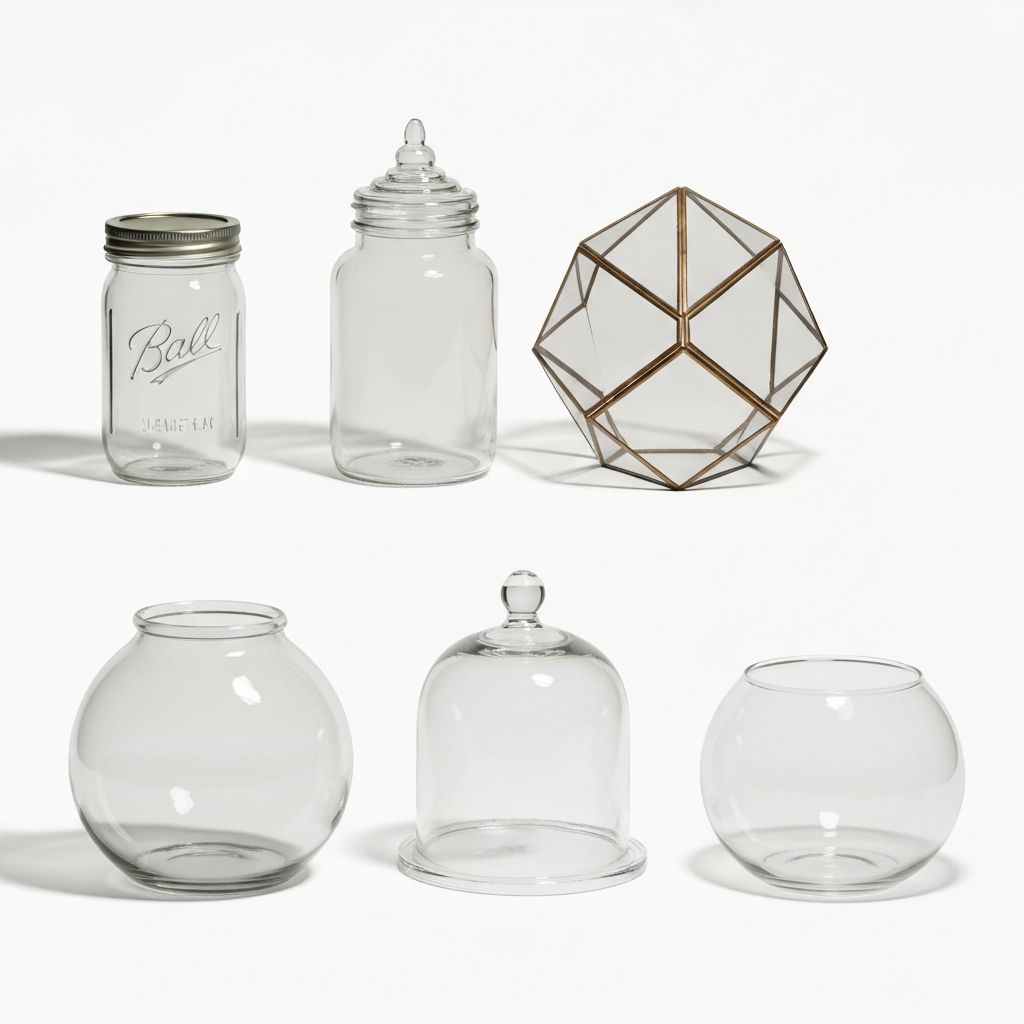
Best Glass Containers for Terrariums: A Buyer's Guide
From mason jars to geometric terrariums, learn which containers work best for different terrarium styles and budgets.
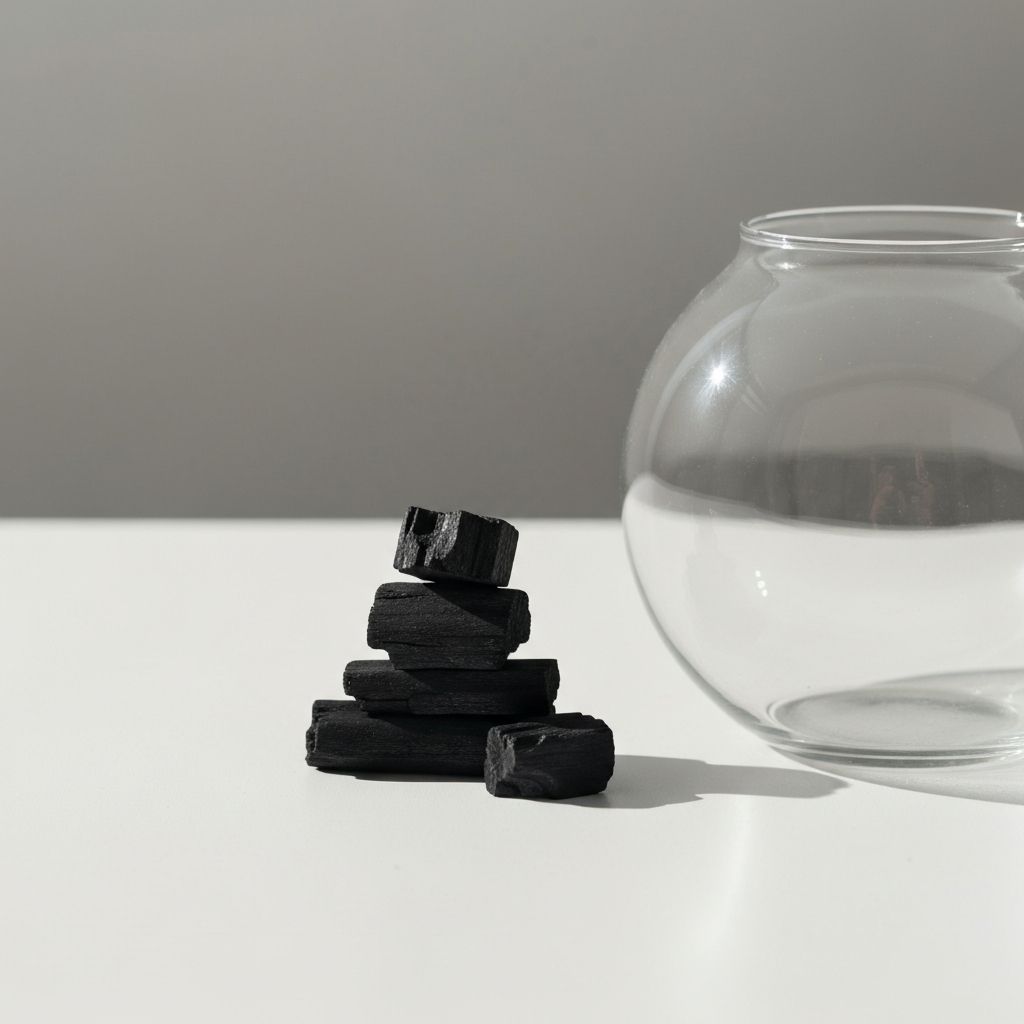
Activated Charcoal in Terrariums: Essential or Optional?
Understand the role of activated charcoal in terrarium substrate, when you actually need it, and alternatives if you don't have it.
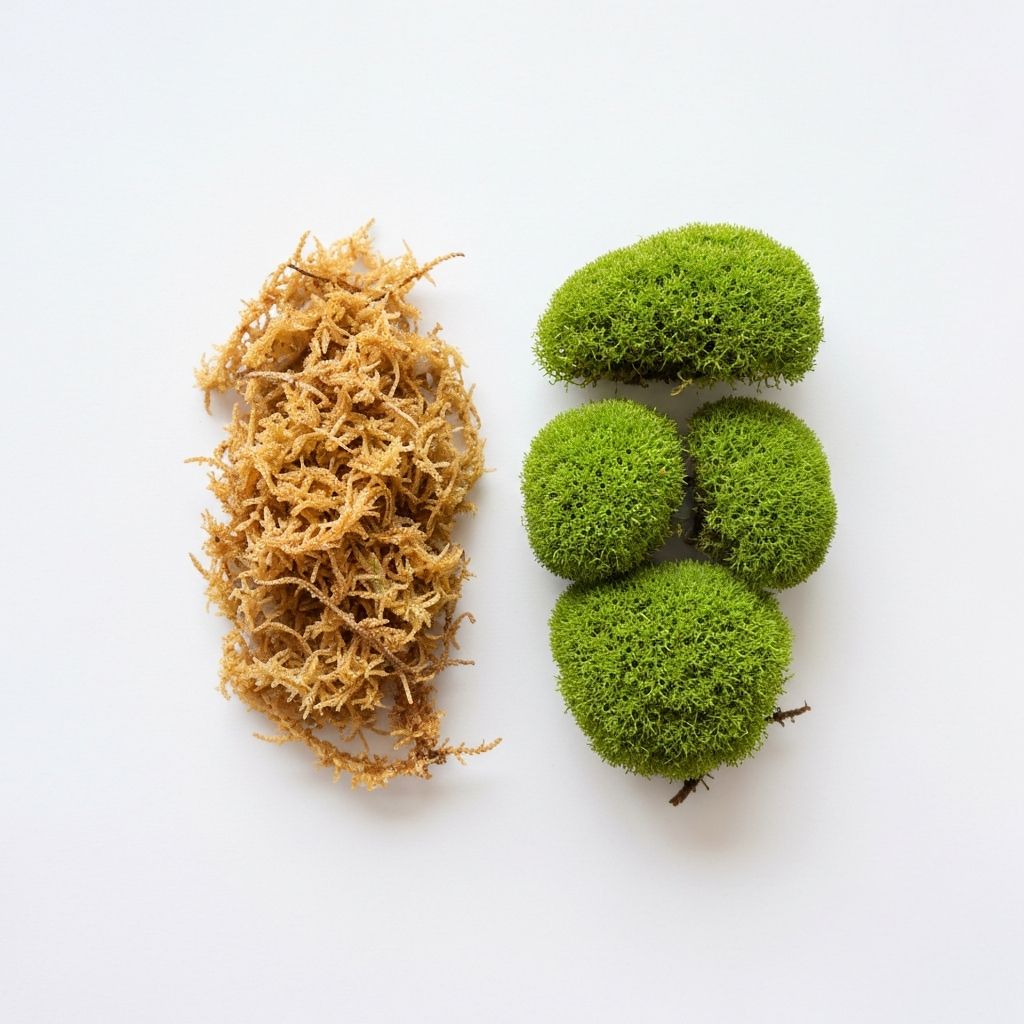
Live vs Dried Sphagnum Moss: Which Should You Use?
Understanding the differences between living and dried sphagnum moss for terrariums, including when to use each and how to keep live sphagnum thriving.