Miniature Begonias for Terrariums: A Complete Guide
Discover the best miniature and small begonia species for terrariums, including care requirements, propagation tips, and design ideas.
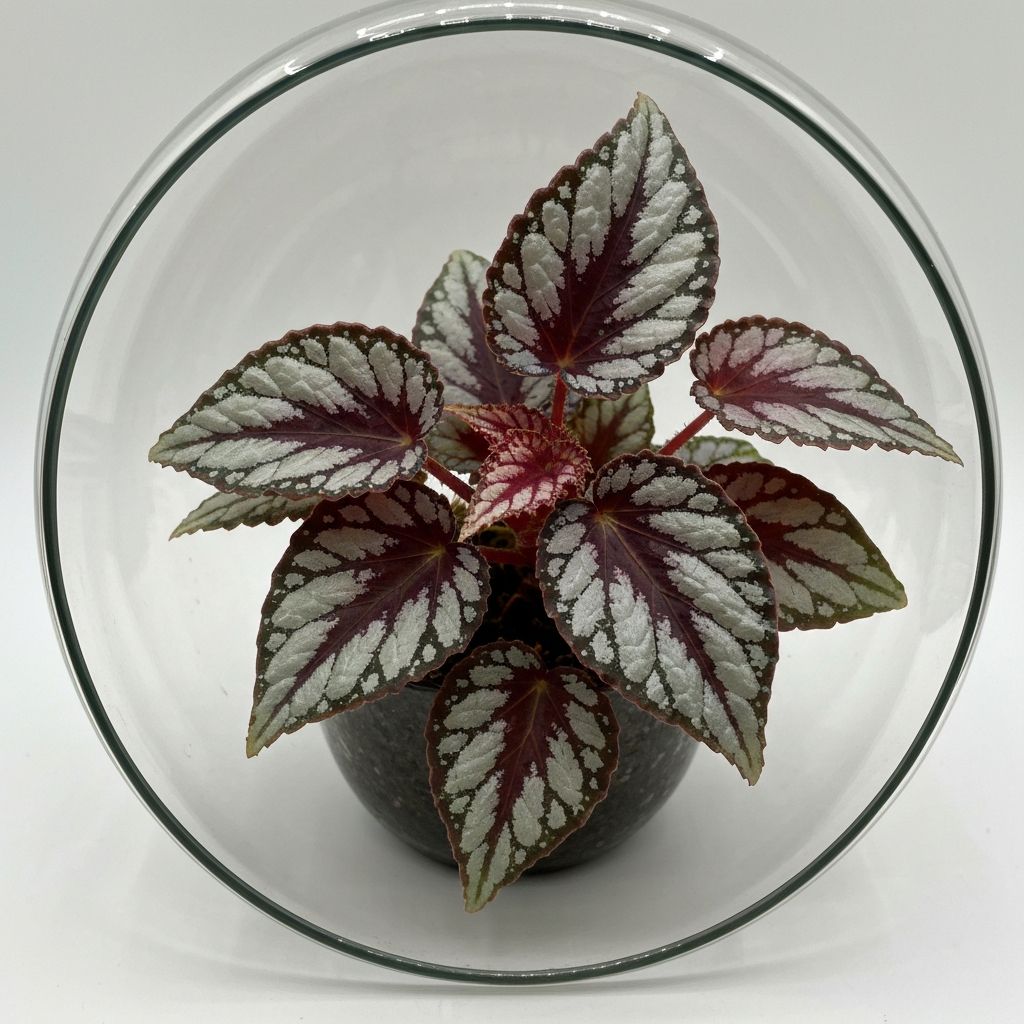
Begonias are having a moment in the terrarium world, and for good reason. With over 2,000 species ranging from tiny creeping plants to dramatic foliage specimens, there is a begonia for every terrarium style. The miniature species are particularly well-suited to enclosed environments, offering patterns and colors that rival any tropical plant.
Why Begonias Work in Terrariums
Natural Habitat
Many begonias naturally grow in conditions that terrariums replicate:
- Forest understories with filtered light
- High humidity environments
- Consistent moisture without waterlogging
- Protection from direct sun and wind
Variety
No other genus offers such diversity in a terrarium-appropriate size:
- Leaf shapes from round to deeply lobed
- Colors including silver, pink, red, and bronze
- Patterns featuring spots, spirals, and veining
- Textures from smooth to heavily textured
Best Miniature Species
Begonia prismatocarpa
The gold standard for terrarium begonias.
Characteristics:
- Bright yellow flowers year-round
- Small, quilted green leaves
- Maximum size: 3-4 inches
- Growth habit: Compact, mounding
Care:
- Moderate to high humidity
- Low to medium light
- Keep evenly moist
- One of the easiest begonias
Why it works: Reliable bloomer that stays small and tolerates terrarium conditions perfectly.
Begonia amphioxus
Striking spotted foliage that commands attention.
Characteristics:
- Long, lance-shaped leaves
- Red spots on green background
- Size: 4-6 inches
- Growth habit: Upright to trailing
Care:
- High humidity essential
- Medium indirect light
- Sensitive to overwatering
- Needs good air circulation
Why it works: Dramatic color without excessive size.
Begonia lichenora
Looks like it belongs in a fairy tale.
Characteristics:
- Tiny, round leaves (under 1 inch)
- Deep green to bronze coloring
- Size: 2-3 inches tall, spreading
- Growth habit: Low, creeping
Care:
- Very high humidity required
- Low light preferred
- Keep consistently moist
- Slow growing
Why it works: True miniature perfect for small containers.
Begonia pavonina (Peacock Begonia)
Famous for its iridescent blue sheen.
Characteristics:
- Metallic blue-green leaves
- Iridescence visible in low light
- Size: 6-12 inches (larger)
- Growth habit: Upright
Care:
- High humidity
- Low light (color fades in bright light)
- Even moisture
- Needs space
Why it works: Stunning color effect unique among plants.
Begonia rajah
Textured leaves with intricate patterns.
Characteristics:
- Deeply veined, rough texture
- Bronze to green coloring
- Size: 4-6 inches
- Growth habit: Compact rosette
Care:
- High humidity
- Medium indirect light
- Good drainage essential
- Moderate difficulty
Why it works: Architectural interest and manageable size.
Begonia bowerae (Eyelash Begonia)
Charming hairy leaf margins.
Characteristics:
- Small, spotted leaves
- Distinctive "eyelash" hairs on edges
- Size: 4-8 inches
- Growth habit: Compact, rhizomatous
Varieties:
- 'Tiger' - Bold banding pattern
- 'Cleopatra' - Star-shaped leaves
- 'Nigramarga' - Dark edges
Care:
- Moderate humidity tolerance
- Medium light
- Allow slight drying between watering
- Good for beginners
Why it works: Forgiving nature, interesting texture.
Growing Conditions
Humidity
Most terrarium begonias need:
- Minimum 60% humidity
- Ideal range: 70-85%
- Air circulation to prevent disease
- Avoid stagnant, overly wet conditions
Light
Begonias have specific light preferences:
- Bright indirect light for most species
- Low light for iridescent varieties (B. pavonina)
- No direct sunlight (causes leaf burn)
- 10-12 hours for optimal growth
Temperature
Tropical begonias prefer warmth:
- Ideal: 65-80°F (18-27°C)
- Minimum: 55°F (13°C)
- Avoid cold drafts
- No tolerance for frost
Substrate
Begonias need well-draining but moisture-retentive soil:
Recommended mix:
- 2 parts peat-free potting soil
- 1 part perlite
- 1 part orchid bark (fine grade)
- Optional: Added charcoal
Key points:
- Never use heavy garden soil
- Good drainage prevents stem rot
- Slightly acidic pH preferred
Planting Techniques
Positioning
Consider the growth habit:
- Upright species: Background or focal points
- Creeping species: Ground cover or foreground
- Trailing species: Near edges or elevated positions
- Rosette types: Mid-ground specimens
Depth
Begonia planting depth matters:
- Rhizomatous types: Surface of soil, not buried
- Cane types: Bury stem to first node
- Creeping types: Lay stems on surface, pin if needed
- Never bury the crown
Spacing
Allow room for growth:
- Small species: 2-3 inches apart
- Medium species: 4-6 inches apart
- Account for spreading habit
- Can always divide later
Propagation
Begonias propagate readily, which is helpful since many desirable species are expensive.
Leaf Cuttings
Works for most rhizomatous begonias:
- Select a healthy, mature leaf
- Cut with 1-2 inches of petiole (stem)
- Insert petiole into moist substrate
- Cover to maintain humidity
- New plants form in 4-8 weeks
Leaf Wedges
Maximizes plants from one leaf:
- Cut leaf into wedge sections
- Each wedge must include a main vein
- Insert cut edge into substrate
- Keep humid and warm
- Multiple plantlets form per wedge
Stem Cuttings
For cane-type and trailing begonias:
- Cut 3-4 inch stem sections
- Remove lower leaves
- Insert into moist perlite or soil
- Maintain high humidity
- Roots form in 2-4 weeks
Division
For established clumps:
- Remove plant from container
- Gently separate rhizomes
- Ensure each division has roots
- Replant immediately
- Maintain humidity while establishing
Common Problems
Powdery Mildew
White powdery coating on leaves.
Cause: Poor air circulation, high humidity without airflow
Solution:
- Improve ventilation
- Remove affected leaves
- Space plants further apart
- Reduce misting on foliage
Stem Rot
Mushy, collapsing stems at soil level.
Cause: Overwatering, poor drainage, buried crowns
Solution:
- Allow soil to dry slightly
- Improve drainage
- Replant higher in substrate
- Take cuttings from healthy growth
Leaf Drop
Sudden loss of leaves.
Cause: Temperature shock, underwatering, or overwatering
Solution:
- Maintain consistent conditions
- Check watering routine
- Protect from drafts
- New leaves will grow if conditions stabilize
Leggy Growth
Stretched, sparse stems reaching for light.
Cause: Insufficient light
Solution:
- Move to brighter location
- Add grow lights
- Prune to encourage bushier growth
- Propagate cuttings for fuller plants
Design Combinations
Tropical Jewel Box
Feature begonias with:
- Selaginella for ground cover
- Small Fittonia for color echo
- Moss on rocks and wood
- Cork bark background
Miniature Forest
Combine small begonias with:
- Ferns (Asplenium, small Nephrolepis)
- Peperomia species
- Pilea varieties
- Driftwood and stones
Collector's Display
Showcase multiple begonia species:
- Vary leaf shapes and colors
- Include both flowering and foliage types
- Use different heights and textures
- Minimal companion plants to let begonias star
Where to Find Them
Miniature begonias can be challenging to source:
- Specialty nurseries - Best selection, often online
- Begonia societies - Members sell divisions
- Plant swaps - Local collector communities
- Tissue culture labs - For rare species
Avoid big box stores for uncommon varieties. The investment in quality plants from reputable sources pays off in survival rate and true-to-type specimens.
Conclusion
Begonias transform terrariums from simple plant containers into living art. Start with forgiving species like B. prismatocarpa or B. bowerae, then expand into rarer varieties as you gain experience. The diversity within this single genus means you could build an entire collection of begonia-only terrariums, each completely unique. Once you successfully grow your first miniature begonia, you will understand why collectors become obsessed.
Tags
Written by
Sarah Chen
A contributing writer at Terrarium Guide. Our team is dedicated to providing well-researched, accurate, and helpful content to our readers.
Learn more about our teamRelated Articles
Fittonia Care Guide: Growing Nerve Plants in Terrariums
Everything you need to know about growing fittonia (nerve plants) in terrariums, including variety selection, care requirements, and troubleshooting common problems.
The 8 Best Ferns for Terrariums: A Complete Species Guide
Discover which fern species thrive in terrarium environments. Learn about size, care requirements, and placement tips for maidenhair, button, lemon button, and other terrarium-friendly ferns.
Peperomia Varieties Perfect for Terrariums
Discover the best compact peperomia species for terrariums, including care requirements, growth habits, and styling tips.