The 8 Best Ferns for Terrariums: A Complete Species Guide
Discover which fern species thrive in terrarium environments. Learn about size, care requirements, and placement tips for maidenhair, button, lemon button, and other terrarium-friendly ferns.

Ferns are among the most popular terrarium plants, and for good reason. Their delicate fronds add texture and movement to enclosed ecosystems, and most species love the humidity that terrariums provide.
But not all ferns are created equal. Some grow too large, others require more light than terrariums typically offer, and a few are simply too finicky for enclosed environments.
This guide covers the best fern species for terrariums, with detailed care information for each.
What Makes a Good Terrarium Fern
Before diving into specific species, understand what qualities make a fern suitable for terrarium life:
- Compact growth habit: Ferns that stay small or grow slowly work best
- Humidity tolerance: Must thrive in high humidity (70-100%)
- Low light adaptation: Should handle indirect or filtered light
- Temperature flexibility: Most terrariums stay between 65-80°F
Now let us look at the top species.
1. Button Fern (Pellaea rotundifolia)
Button fern is arguably the most beginner-friendly terrarium fern. Its round, button-like leaflets grow on arching fronds, creating a bushy, compact plant that rarely exceeds 12 inches.
Why it works for terrariums:
- Tolerates a wide range of humidity levels
- Stays compact without aggressive pruning
- Handles lower light than most ferns
- Hardy and forgiving of mistakes
Care notes:
- Prefers slightly drier conditions than other ferns
- Let substrate dry slightly between waterings (unusual for terrariums)
- Remove old fronds at the base when they brown
Best for: Beginners, smaller containers, mixed plantings
2. Maidenhair Fern (Adiantum species)
Maidenhair ferns are prized for their delicate, fan-shaped leaflets on wiry black stems. They look ethereal in terrariums but require more attention than other options.
Popular varieties:
- Adiantum raddianum (Delta maidenhair): Most common, delicate fronds
- Adiantum capillus-veneris (Southern maidenhair): Slightly hardier
- Adiantum hispidulum (Rosy maidenhair): New growth emerges pink
Why it works for terrariums:
- Thrives in high humidity
- Dramatic visual impact
- Stays relatively compact with pruning
Care notes:
- Extremely sensitive to drying out
- Brown tips indicate inconsistent moisture
- Needs consistent, stable conditions
- Remove entire fronds rather than trimming tips
Best for: Experienced terrarium builders, dedicated closed terrariums
3. Lemon Button Fern (Nephrolepis cordifolia 'Duffii')
A miniature relative of the Boston fern, lemon button fern gets its name from the subtle citrus scent released when fronds are touched. It produces compact, arching fronds with small rounded leaflets.
Why it works for terrariums:
- Much smaller than standard Boston ferns
- High humidity tolerance
- Attractive arching growth pattern
- Slow growing in terrarium conditions
Care notes:
- More drought tolerant than maidenhair
- May produce runners, which can be trimmed or allowed to spread
- Benefits from occasional pruning to maintain shape
- Prefers slightly more light than other terrarium ferns
Best for: Medium to large terrariums, focal point plantings
4. Rabbit's Foot Fern (Davallia fejeensis)
This unique fern produces fuzzy, brown rhizomes that creep across the substrate surface, resembling rabbit's feet. The fronds are finely divided and airy.
Why it works for terrariums:
- Interesting textural element with visible rhizomes
- Tolerates varying humidity levels
- Moderate growth rate
- Unique conversation piece
Care notes:
- Rhizomes should remain on the surface, not buried
- Does not like wet feet
- May need a slightly larger container to accommodate spreading
- Trim old fronds to encourage new growth
Best for: Larger terrariums, focal points, conversation starters
5. Bird's Nest Fern (Asplenium nidus)
Bird's nest fern grows as a rosette of broad, wavy fronds emerging from a central point. While full-sized plants become quite large, juvenile specimens work well in terrariums.
Why it works for terrariums:
- Distinctive growth form
- Very humidity tolerant
- Slow growing indoors
- Bold statement plant
Care notes:
- Will eventually outgrow most terrariums
- Keep water out of the central rosette
- Needs more light than delicate ferns
- Plan to transplant when it gets too large
Best for: Large terrariums, temporary focal points
6. Crocodile Fern (Microsorum musifolium)
Named for its unique leaf texture resembling crocodile skin, this fern adds unusual visual interest to terrariums. The thick, leathery fronds are surprisingly tough.
Why it works for terrariums:
- Unusual texture adds interest
- More tolerant of low humidity than most ferns
- Slow growing
- Hardy and forgiving
Care notes:
- Can handle slightly drier conditions
- Spreading rhizomes may need containment
- Remove old fronds as they age
- Handles temperature fluctuations well
Best for: Mixed plantings, textural contrast
7. Silver Brake Fern (Pteris cretica)
Silver brake fern features long fronds with a distinctive silver stripe down the center of each leaflet. Several varieties offer different patterns and variegation.
Why it works for terrariums:
- Colorful foliage adds visual interest
- Upright growth habit
- Moderate size
- Adapts well to enclosed environments
Care notes:
- Needs more light to maintain variegation
- Sensitive to overwatering
- May lose color in deep shade
- Prune oldest fronds to encourage fresh growth
Best for: Adding color variety, medium containers
8. Heart Fern (Hemionitis arifolia)
This charming small fern produces heart-shaped fronds on thin black stems. It stays tiny, rarely exceeding 6 inches, making it perfect for small terrariums.
Why it works for terrariums:
- Extremely compact
- Unique leaf shape
- High humidity lover
- Slow growing
Care notes:
- Needs consistently moist conditions
- Prefers warmer temperatures
- Can be slow to establish
- Perfect for foreground planting
Best for: Small terrariums, foreground accents, miniature builds
Fern Placement Tips
Where you position ferns in your terrarium matters:
Back and sides: Taller ferns like lemon button and silver brake work as backdrop plants
Midground: Medium-sized ferns like button fern and crocodile fern fill the middle space
Foreground: Compact species like heart fern work near the front
Focal points: Specimens with interesting features (rabbit's foot, bird's nest) draw the eye
Common Fern Problems in Terrariums
Brown frond tips
Usually indicates inconsistent moisture or low humidity. In a properly sealed terrarium, this often means the seal is compromised.
Yellowing fronds
Can indicate overwatering, nutrient deficiency, or natural aging. Old fronds yellow and die, which is normal. If new fronds yellow, check drainage.
Leggy, stretched growth
Not enough light. Move your terrarium to a brighter location, avoiding direct sunlight.
Mold on fronds
Too humid with poor air circulation. Increase ventilation temporarily and remove affected material.
Final Recommendations
For your first fern terrarium, start with button fern or lemon button fern. Both are forgiving and adapt well to enclosed conditions.
Once you gain experience, experiment with maidenhair for its delicate beauty or rabbit's foot for its unusual rhizomes.
Avoid mixing ferns with drastically different care requirements. A maidenhair and a button fern together can work, but the maidenhair will demand more consistent moisture than the button fern prefers.
Tags
Written by
Marcus Webb
A contributing writer at Terrarium Guide. Our team is dedicated to providing well-researched, accurate, and helpful content to our readers.
Learn more about our teamRelated Articles
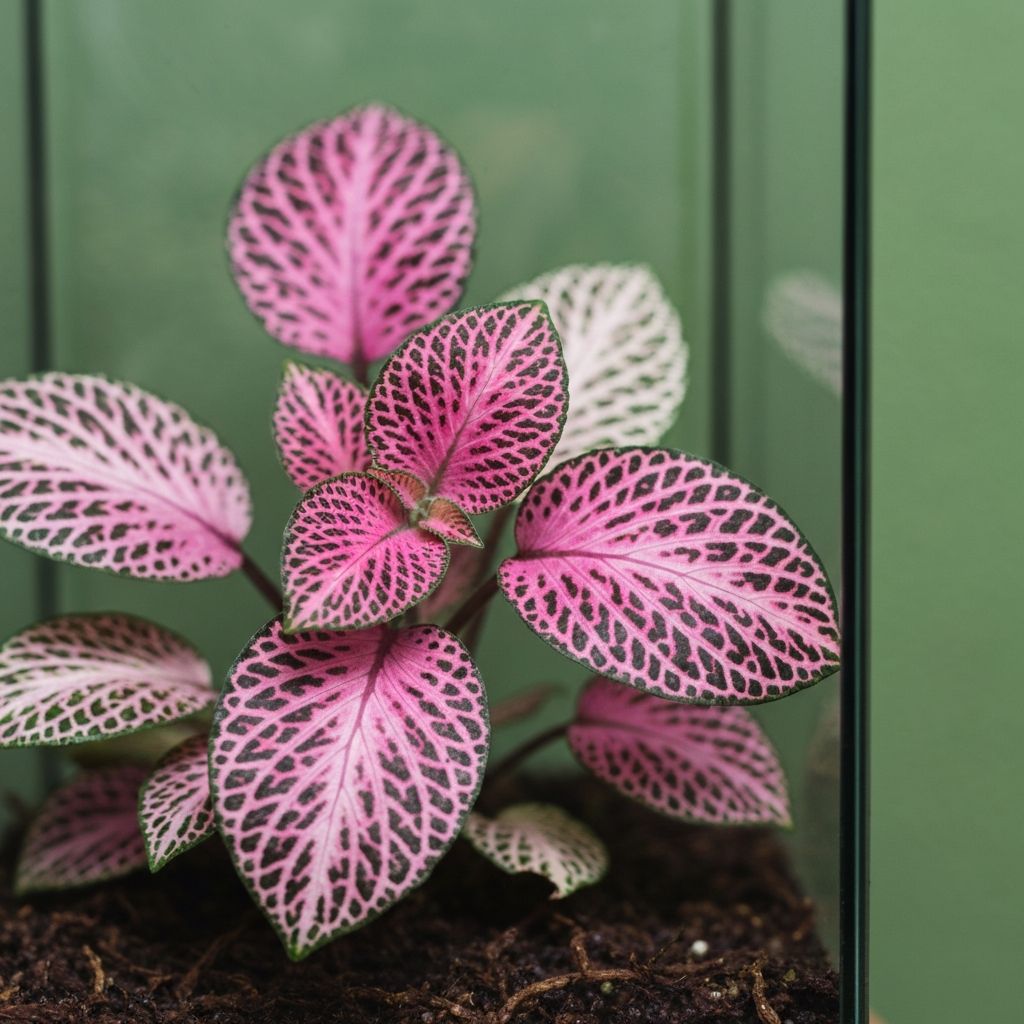
Fittonia Care Guide: Growing Nerve Plants in Terrariums
Everything you need to know about growing fittonia (nerve plants) in terrariums, including variety selection, care requirements, and troubleshooting common problems.
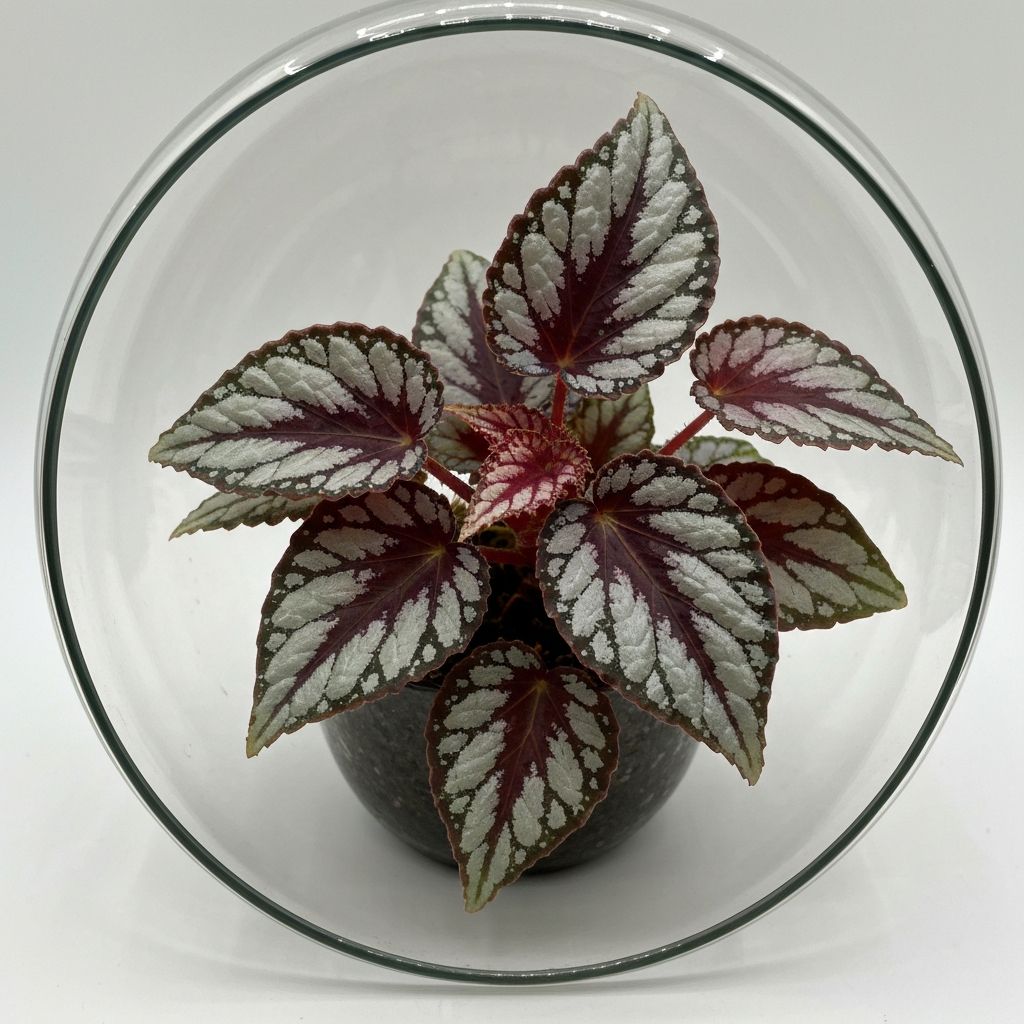
Miniature Begonias for Terrariums: A Complete Guide
Discover the best miniature and small begonia species for terrariums, including care requirements, propagation tips, and design ideas.
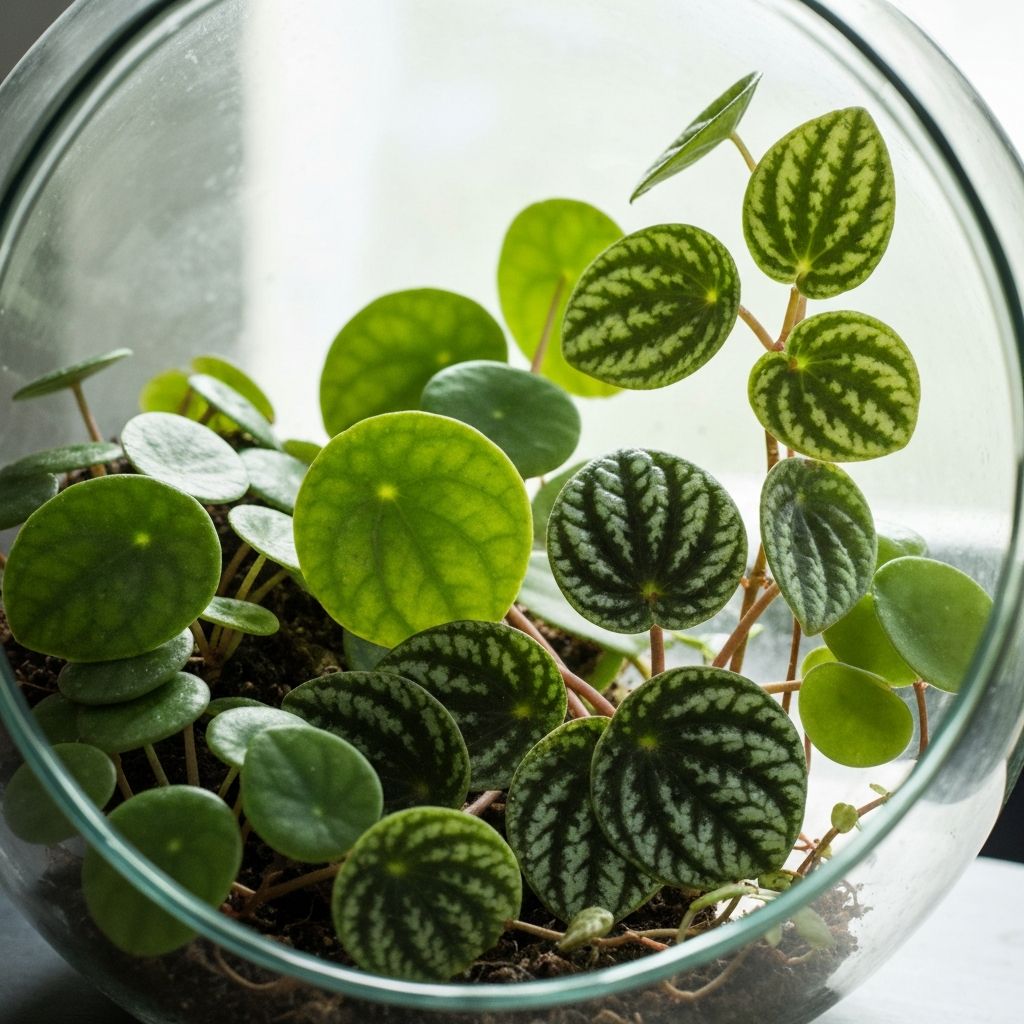
Peperomia Varieties Perfect for Terrariums
Discover the best compact peperomia species for terrariums, including care requirements, growth habits, and styling tips.