12 Best Moss Varieties for Terrariums
A complete guide to the most beautiful and easy-to-grow moss species for terrariums, including care tips, sourcing advice, and placement recommendations.
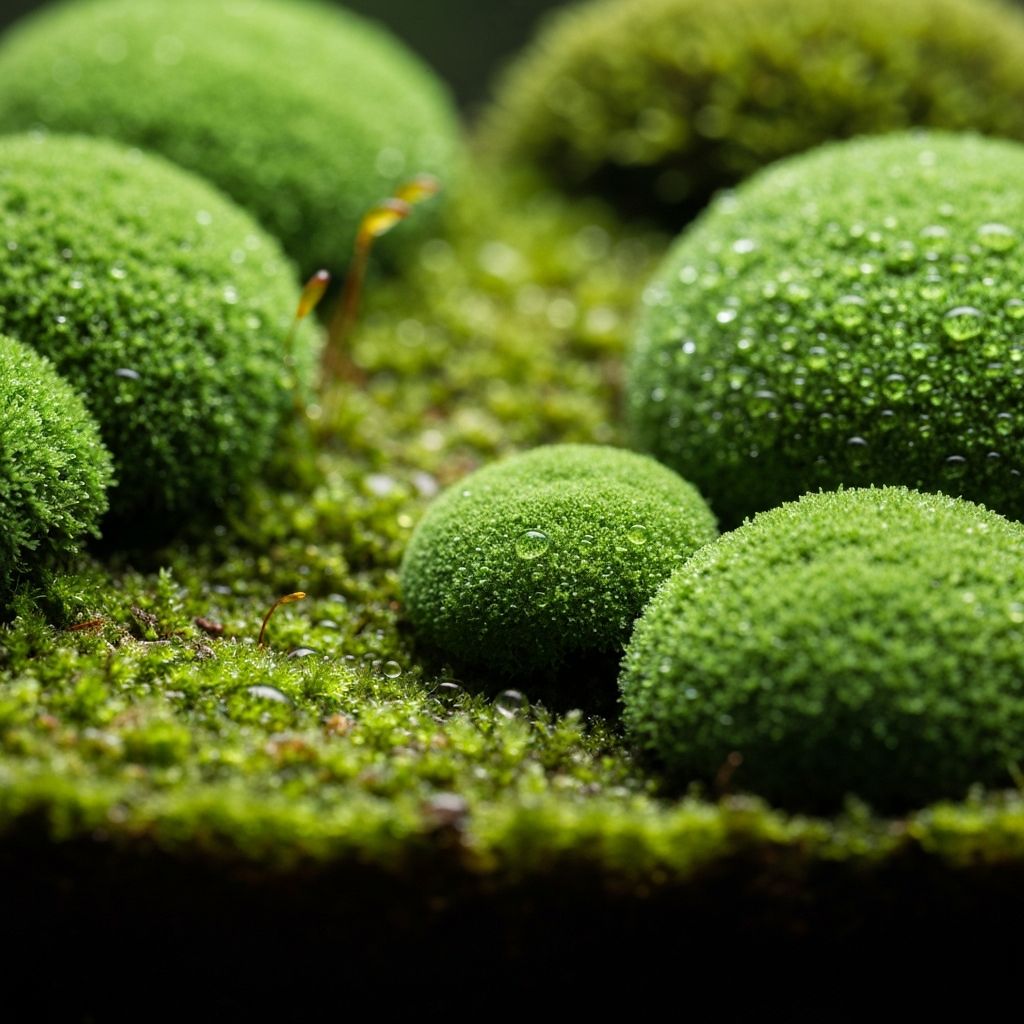
Moss is the foundation of most terrarium designs. It creates a living carpet that ties together rocks, wood, and plants into a cohesive landscape. But not all moss thrives equally in terrarium conditions. This guide covers the best varieties for enclosed environments and how to keep them healthy.
Understanding Moss Basics
Before selecting moss, understand what makes it unique. Moss lacks true roots, stems, and leaves. Instead, it absorbs water and nutrients directly through its surface. This is why moss thrives in the consistently humid environment of a closed terrarium.
Moss also lacks a vascular system, which means it stays small. You won't need to worry about moss outgrowing your container the way you might with ferns or tropical plants.
Top Moss Varieties for Terrariums
1. Sheet Moss (Hypnum curvifolium)
Sheet moss is the most popular terrarium moss for good reason. It grows in flat, carpet-like sheets that are easy to cut and position. The bright green color stays vibrant in terrarium conditions.
Care requirements:
- Humidity: 70-100%
- Light: Low to medium indirect
- Growth rate: Moderate
Sheet moss is forgiving of beginner mistakes and establishes quickly in new terrariums.
2. Mood Moss (Dicranum scoparium)
Mood moss has a distinctive mounded, clumpy growth pattern that adds texture and dimension. The common name comes from its tendency to change color based on moisture levels, appearing darker when wet and lighter when dry.
Care requirements:
- Humidity: 60-90%
- Light: Low to medium indirect
- Growth rate: Slow
This moss works well as accent pieces rather than ground cover due to its growth habit.
3. Fern Moss (Thuidium delicatulum)
Despite its name, fern moss isn't a fern. The name comes from its feathery, fern-like fronds that create a delicate, layered appearance. It's one of the most visually interesting mosses available.
Care requirements:
- Humidity: 70-100%
- Light: Low indirect preferred
- Growth rate: Moderate
Fern moss looks especially beautiful cascading over rocks or driftwood.
4. Pillow Moss (Leucobryum glaucum)
Pillow moss grows in distinctive rounded cushions that look like tiny hills or pillows. The blue-green color is unusual among mosses and provides visual contrast.
Care requirements:
- Humidity: 80-100%
- Light: Low to medium indirect
- Growth rate: Very slow
Use pillow moss sparingly as focal points rather than ground cover.
5. Java Moss (Taxiphyllum barbieri)
Originally an aquarium plant, Java moss adapts well to terrarium conditions. It has fine, branching fronds that create a wispy, ethereal appearance.
Care requirements:
- Humidity: 70-100%
- Light: Low to medium indirect
- Growth rate: Fast
Java moss attaches to surfaces and works well on rocks and driftwood.
6. Star Moss (Tortula ruralis)
Star moss gets its name from the star-shaped pattern visible when viewed from above. It's one of the most drought-tolerant mosses, making it slightly more forgiving if your terrarium runs dry.
Care requirements:
- Humidity: 50-90%
- Light: Medium indirect
- Growth rate: Slow
Good choice for open terrariums or transitional areas in closed terrariums.
7. Reindeer Moss (Cladonia rangiferina)
Technically a lichen rather than true moss, reindeer moss is commonly sold alongside mosses and works well in terrariums. It comes in natural gray-white or dyed colors.
Care requirements:
- Humidity: 40-70%
- Light: Low to bright indirect
- Growth rate: Very slow (essentially static)
Note that preserved reindeer moss won't grow and is used purely for decoration.
8. Haircap Moss (Polytrichum commune)
Haircap moss has upright, spiky growth that resembles tiny pine trees. It adds vertical interest and works well as a backdrop for smaller plants.
Care requirements:
- Humidity: 70-100%
- Light: Medium indirect
- Growth rate: Slow
This moss needs more light than most varieties to maintain its structure.
9. Sphagnum Moss (Live)
Live sphagnum moss is different from the dried sphagnum sold for potting. Living sphagnum has a beautiful pale green to red coloration and creates a bog-like aesthetic.
Care requirements:
- Humidity: 90-100%
- Light: Bright indirect
- Growth rate: Moderate
Sphagnum needs very wet conditions and works best in bog-style terrariums.
10. Clubmoss (Selaginella)
Another plant that isn't technically moss, clubmoss is sold in terrarium sections and behaves similarly. Varieties like Selaginella kraussiana create dense, fern-like carpets.
Care requirements:
- Humidity: 70-100%
- Light: Low to medium indirect
- Growth rate: Moderate to fast
Clubmoss may need occasional trimming as it's more vigorous than true moss.
11. Liverwort (Marchantia)
Liverworts are ancient plants that create flat, ribbon-like growth. While not as commonly used as moss, they add prehistoric character to terrariums.
Care requirements:
- Humidity: 80-100%
- Light: Low indirect
- Growth rate: Moderate
Liverworts prefer very wet conditions and shade.
12. Rock Cap Moss (Dicranum)
Rock cap moss naturally grows on boulders and logs, making it perfect for covering hardscape in terrariums. It has a darker green color than sheet moss.
Care requirements:
- Humidity: 60-90%
- Light: Low to medium indirect
- Growth rate: Slow
Excellent for creating naturalistic rock formations.
Sourcing Terrarium Moss
Collecting Wild Moss
Foraging moss is free but requires care:
- Only collect from your own property or with permission
- Avoid protected areas and parks
- Take small amounts from healthy populations
- Quarantine collected moss for 2 weeks to watch for pests
Buying Moss
Purchasing moss ensures clean, pest-free material:
- Terrarium specialty shops
- Online vendors (Etsy, specialty sites)
- Local nurseries (sometimes)
- Aquarium stores (for Java moss)
Expect to pay $5-15 for a fist-sized portion of quality live moss.
Preparing Moss for Terrariums
Cleaning Wild-Collected Moss
- Shake out loose debris and soil
- Soak in room-temperature water for 30 minutes
- Gently rinse under running water
- Check for insects, slugs, or eggs
- Allow to drain before planting
Acclimating Purchased Moss
Purchased moss may arrive dry or stressed. Revive it by:
- Misting thoroughly with distilled water
- Placing in a sealed plastic bag
- Keeping in indirect light for 3-5 days
- Gradually introducing to terrarium conditions
Planting Moss in Terrariums
Surface Preparation
Moss attaches best to:
- Slightly compacted soil surfaces
- Rough rock or wood surfaces
- Damp (not waterlogged) substrates
Attachment Methods
For soil surfaces:
- Press moss firmly into place
- Mist to encourage contact
- Avoid moving for 2-3 weeks while it establishes
For hardscape:
- Use small amounts of aquarium-safe glue
- Or tie with cotton thread (decomposes over time)
- Or wedge into crevices
Common Moss Problems
Browning
Causes: Too much light, not enough humidity, or old growth dying back.
Solution: Move to lower light, increase misting, trim brown portions.
Mold on Moss
Causes: Poor air circulation, dead organic matter.
Solution: Improve ventilation, remove affected areas, reduce moisture.
Moss Not Attaching
Causes: Substrate too wet, moss moved before establishing.
Solution: Reduce watering, press moss firmly, be patient.
Combining Moss Varieties
Using multiple moss types creates visual interest:
- Use sheet moss as the base layer
- Add mood moss mounds for texture
- Place pillow moss as focal points
- Let fern moss cascade over edges
Avoid overcrowding. Leave space between varieties for each to establish its territory.
Final Thoughts
Moss transforms a terrarium from a collection of plants into a miniature landscape. Start with forgiving varieties like sheet moss and Java moss, then experiment with more demanding species as you learn what works in your specific conditions.
The key to success is maintaining consistent humidity without waterlogging. Moss needs moisture in the air, not standing water at its base. Get this balance right, and your moss carpet will thrive for years.
Tags
Written by
Sarah Chen
A contributing writer at Terrarium Guide. Our team is dedicated to providing well-researched, accurate, and helpful content to our readers.
Learn more about our teamRelated Articles
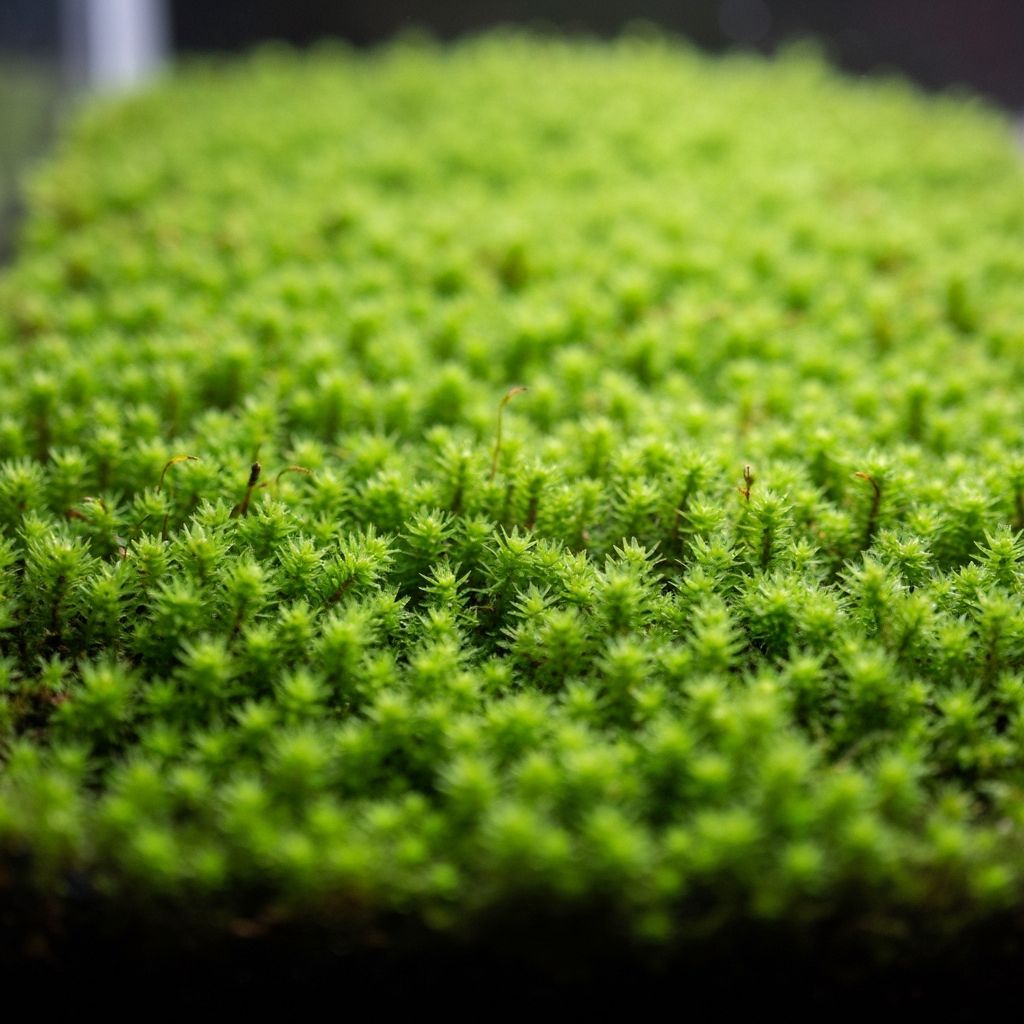
Selaginella Species: The Perfect Terrarium Ground Cover
Selaginella, or spike moss, creates lush carpets in terrariums. Learn about the best species, care requirements, and propagation techniques.
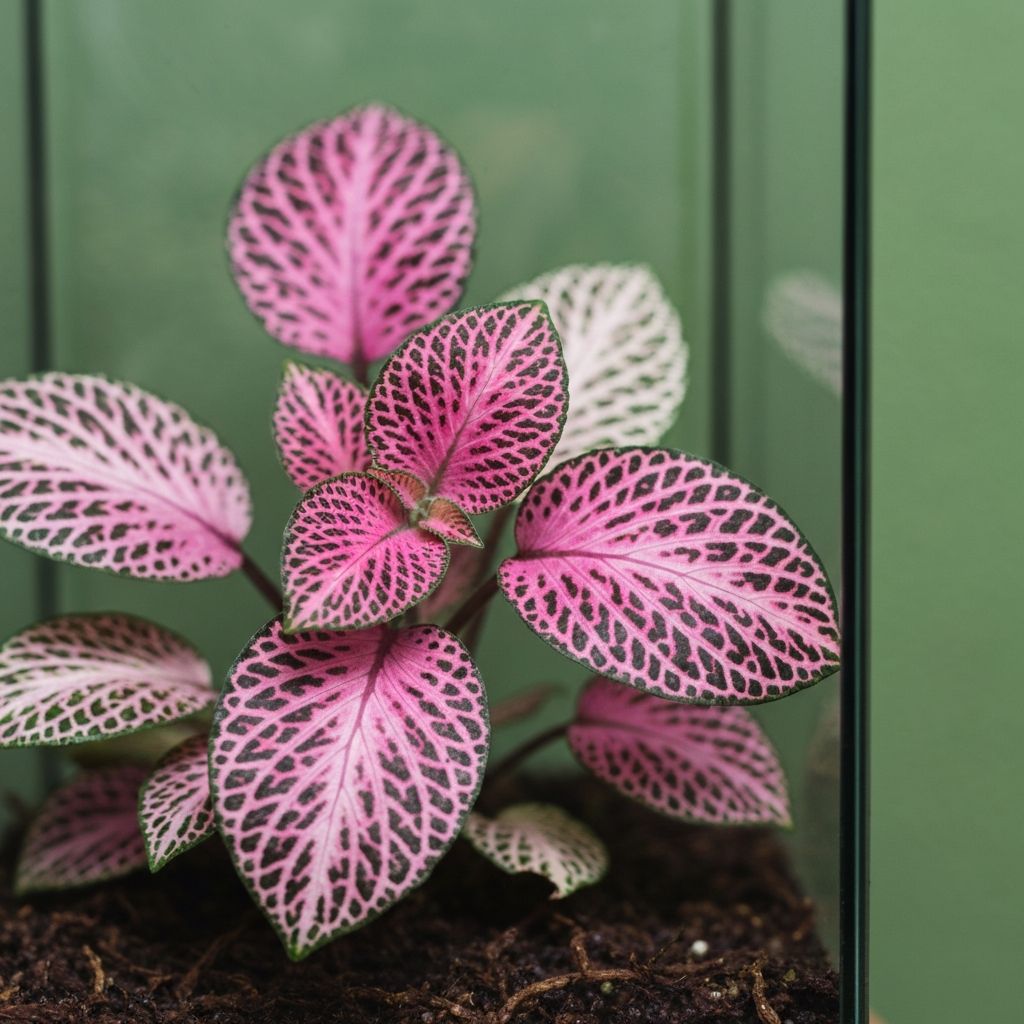
Fittonia Care Guide: Growing Nerve Plants in Terrariums
Everything you need to know about growing fittonia (nerve plants) in terrariums, including variety selection, care requirements, and troubleshooting common problems.

The 8 Best Ferns for Terrariums: A Complete Species Guide
Discover which fern species thrive in terrarium environments. Learn about size, care requirements, and placement tips for maidenhair, button, lemon button, and other terrarium-friendly ferns.