Selaginella Species: The Perfect Terrarium Ground Cover
Selaginella, or spike moss, creates lush carpets in terrariums. Learn about the best species, care requirements, and propagation techniques.
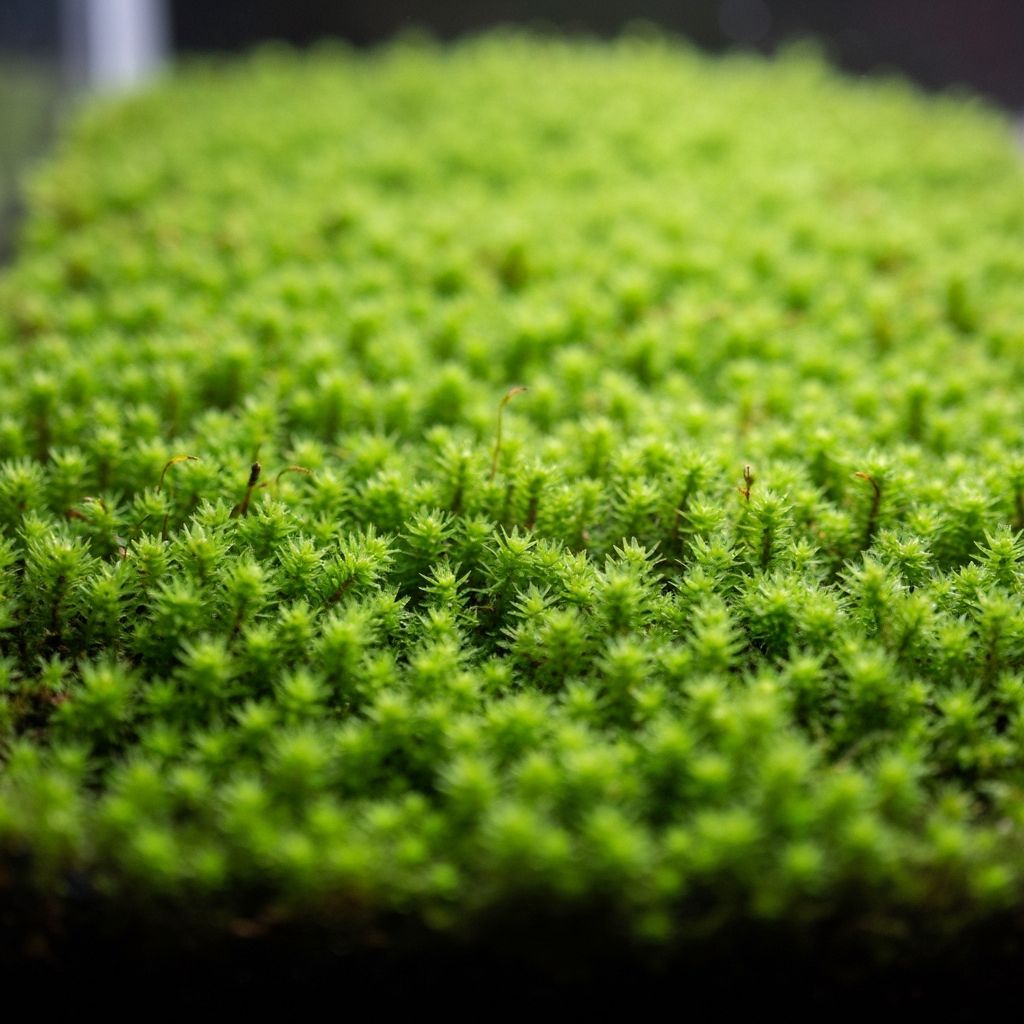
Selaginella, commonly called spike moss or clubmoss, is not actually a moss at all. These ancient plants are more closely related to ferns and have been around for over 400 million years. For terrarium builders, they offer something unique: the dense, carpet-like growth of moss with the structural interest of miniature foliage.
Why Selaginella Excels in Terrariums
Natural Fit
Selaginella species naturally grow on forest floors in humid, shaded conditions, which makes them perfectly adapted to terrarium life:
- Thrive in high humidity (70-90%)
- Prefer indirect light
- Stay compact and low-growing
- Spread to fill spaces naturally
Visual Appeal
Unlike true mosses, Selaginella has distinct, scale-like leaves arranged in intricate patterns. This creates texture and visual interest that photographs beautifully and adds depth to terrarium designs.
Best Species for Terrariums
Selaginella kraussiana (Spreading Clubmoss)
The most popular terrarium species for good reason.
Characteristics:
- Bright green, feathery fronds
- Spreads horizontally via runners
- Maximum height: 1-2 inches
- Growth rate: Moderate to fast
Varieties:
- 'Aurea' - Golden-yellow foliage
- 'Brownii' - Compact, mounding form
- 'Variegata' - Green and cream variegation
Best for: Beginners, ground cover, filling gaps
Selaginella uncinata (Peacock Fern)
Stunning iridescent blue-green foliage that shimmers in light.
Characteristics:
- Metallic blue-green color
- Trailing growth habit
- Height: 2-4 inches
- Growth rate: Moderate
Care notes: Requires consistent humidity. Color fades in bright light or dry conditions.
Best for: Feature plant, adding color variety
Selaginella martensii (Martens Spike Moss)
Upright growth creates a miniature fern-like appearance.
Characteristics:
- Bright green, upright fronds
- Forms small "trees" over time
- Height: 4-8 inches
- Growth rate: Slow to moderate
Varieties:
- 'Jori' - More compact form
- 'Watsoniana' - White-tipped fronds
Best for: Mid-ground plantings, vertical interest
Selaginella apoda (Meadow Spike Moss)
Native to North America, extremely hardy.
Characteristics:
- Pale green, delicate appearance
- Very low growing (under 1 inch)
- Spreads readily
- Growth rate: Fast
Best for: True ground cover, naturalistic designs
Selaginella lepidophylla (Resurrection Plant)
A fascinating species that curls into a ball when dry and unfurls when watered.
Characteristics:
- Brown when dormant, green when hydrated
- Rosette form, 4-6 inches wide
- Tolerates complete desiccation
- Growth rate: Slow
Best for: Open terrariums, conversation pieces, desert-style builds
Growing Conditions
Light
Selaginella prefers low to medium indirect light:
- Avoid direct sunlight (causes bleaching and crispy edges)
- North or east-facing windows ideal
- Grow lights at 6-12 inches, 8-10 hours daily
- Too little light causes leggy, sparse growth
Humidity
Most species require consistently high humidity:
- Ideal range: 70-90%
- Closed terrariums work perfectly
- Open terrariums need frequent misting
- S. lepidophylla is the exception (tolerates low humidity)
Temperature
Room temperature suits most species:
- Ideal range: 65-80°F (18-27°C)
- Avoid cold drafts
- No tolerance for frost
- Heat above 85°F causes stress
Substrate
Selaginella roots are shallow but need consistent moisture:
- Well-draining but moisture-retentive mix
- Peat-free alternatives work well
- Add sphagnum moss for moisture retention
- Avoid compacted or waterlogged soil
Planting Techniques
As Ground Cover
- Break plant into small sections (1-2 inch pieces)
- Space 2-3 inches apart across soil surface
- Press gently into substrate, do not bury stems
- Mist thoroughly after planting
- Maintain high humidity while establishing
On Hardscape
Selaginella can attach to rocks and wood:
- Select a piece with established roots
- Wrap roots in damp sphagnum moss
- Secure to hardscape with fishing line or mesh
- Keep consistently moist
- Remove ties once attached (4-8 weeks)
Vertical Surfaces
For background or wall features:
- Use S. kraussiana or S. uncinata
- Plant in pockets of sphagnum moss
- Secure with plant-safe pins
- Mist daily until established
- Roots will eventually anchor themselves
Propagation
Selaginella is easy to propagate, which is good because you will want more once you see how it grows.
Division
The simplest method:
- Remove plant from terrarium
- Gently separate into sections
- Ensure each section has roots
- Replant immediately
- Maintain humidity while establishing
Stem Cuttings
Works well for trailing species:
- Cut 2-3 inch stem sections
- Remove lower leaves
- Lay horizontally on moist substrate
- Press lightly into soil
- Cover to maintain humidity
- Roots develop in 2-4 weeks
Natural Spreading
In favorable conditions, Selaginella spreads on its own:
- Runners root at nodes
- New plants form along stems
- Can be separated once established
- Guide growth with pruning
Common Problems
Brown, Crispy Tips
Cause: Low humidity or underwatering
Solution:
- Increase misting frequency
- Check terrarium seal
- Ensure substrate stays moist
Yellowing Foliage
Cause: Overwatering, poor drainage, or too much light
Solution:
- Improve drainage
- Reduce watering frequency
- Move to lower light location
Leggy, Sparse Growth
Cause: Insufficient light
Solution:
- Move closer to light source
- Add supplemental grow light
- Prune to encourage bushier growth
Loss of Color (S. uncinata)
Cause: Too much light or low humidity
Solution:
- Reduce light intensity
- Increase humidity
- The iridescent color returns when conditions improve
Design Ideas
Forest Floor Scene
Combine S. kraussiana with:
- Ferns (Asplenium, Nephrolepis)
- Moss patches
- Small stones as "boulders"
- Twigs as fallen logs
Tropical Paradise
Pair S. uncinata with:
- Fittonia for color contrast
- Peperomia prostrata
- Miniature orchids
- Cork bark background
Fairy Garden
Use compact varieties with:
- Miniature figurines
- Pebble pathways
- Small flowering plants
- Decorative stones
Conclusion
Selaginella bridges the gap between moss and fern, offering the best qualities of both. Once established, it requires minimal maintenance while providing year-round beauty. Start with S. kraussiana for reliability, then explore other species as you gain confidence. These ancient plants have survived millions of years because they are remarkably adaptable, and they will likely outlast any other plant in your terrarium.
Tags
Written by
Sarah Chen
A contributing writer at Terrarium Guide. Our team is dedicated to providing well-researched, accurate, and helpful content to our readers.
Learn more about our teamRelated Articles
12 Best Moss Varieties for Terrariums
A complete guide to the most beautiful and easy-to-grow moss species for terrariums, including care tips, sourcing advice, and placement recommendations.
Fittonia Care Guide: Growing Nerve Plants in Terrariums
Everything you need to know about growing fittonia (nerve plants) in terrariums, including variety selection, care requirements, and troubleshooting common problems.

The 8 Best Ferns for Terrariums: A Complete Species Guide
Discover which fern species thrive in terrarium environments. Learn about size, care requirements, and placement tips for maidenhair, button, lemon button, and other terrarium-friendly ferns.