Building a Bioactive Terrarium with Springtails and Isopods
Create a self-cleaning ecosystem with springtails and isopods that consume mold, dead leaves, and waste to keep your terrarium healthy.
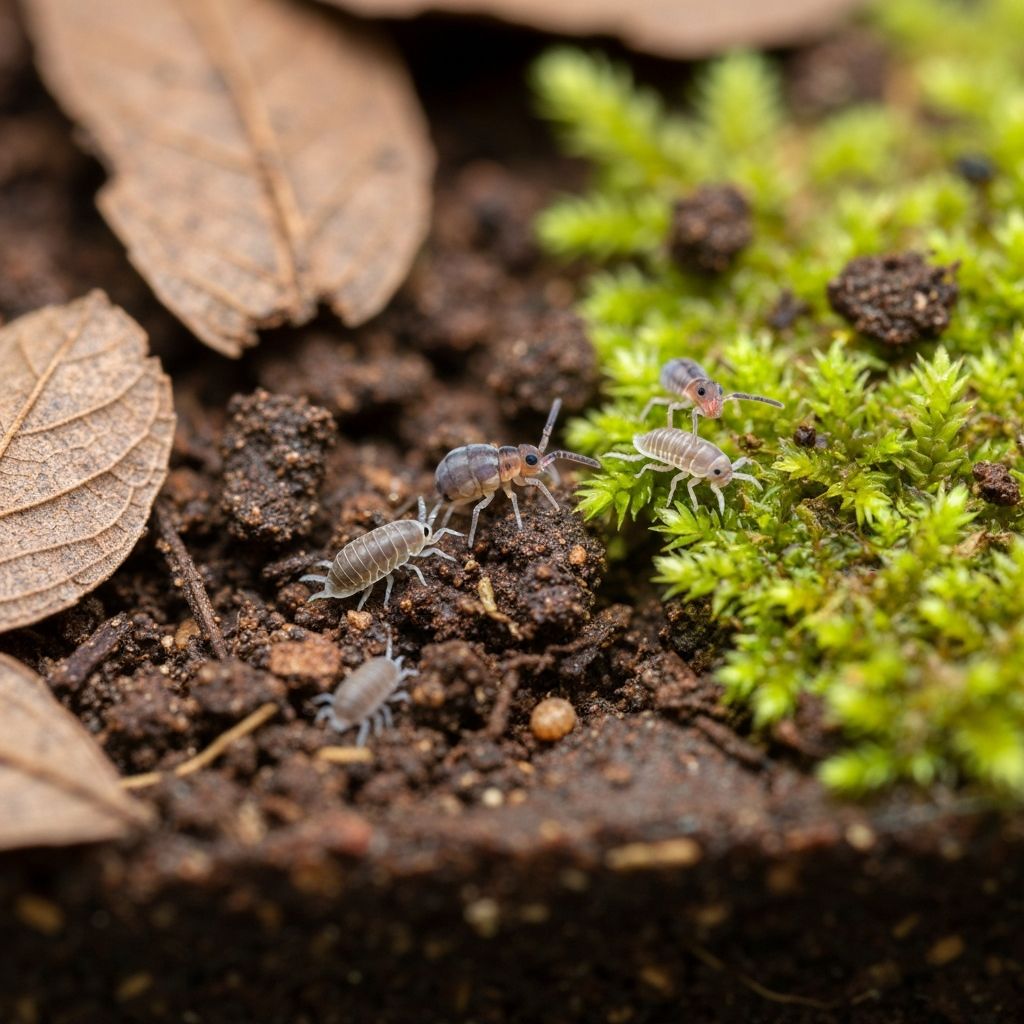
Bioactive terrariums take the self-sustaining concept further by including living cleanup crews. Springtails and isopods are tiny invertebrates that consume decaying matter, mold, and waste, creating a balanced ecosystem that requires minimal maintenance.
What Is a Bioactive Terrarium?
A bioactive terrarium includes:
- Living plants (like any terrarium)
- Microfauna (springtails and/or isopods)
- A substrate that supports decomposition
- A closed or semi-closed environment
The microfauna act as custodians, processing dead leaves, preventing mold, and recycling nutrients back into the soil. This mimics how forest floors actually work in nature.
Meet the Cleanup Crew
Springtails
What they are: Tiny six-legged arthropods, typically 1-3mm long
Appearance: White, gray, or occasionally colored; resemble tiny dots that jump when disturbed
What they eat:
- Mold and fungal growth
- Decaying plant matter
- Bacteria
- Detritus
Why they help:
- Prevent mold from establishing
- Break down dead leaves
- Don't harm living plants
- Reproduce quickly to match food supply
Environment needs: High humidity, moisture-retaining substrate
Isopods
What they are: Small crustaceans (related to shrimp and crabs), commonly called pill bugs, roly-polies, or woodlice
Appearance: Range from common gray to exotic colors and patterns; 3-20mm depending on species
What they eat:
- Dead leaves and wood
- Decaying plant matter
- Calcium sources (cuttlebone, eggshell)
- Some will eat mold
Why they help:
- Process larger debris
- Aerate soil as they burrow
- Add visual interest
- Produce waste that fertilizes soil
Environment needs: Moisture with dry retreats, leaf litter, hiding spots
Choosing Your Cleanup Crew
Springtails Only
Best for:
- Small terrariums
- Terrariums focused on delicate plants
- Mold prevention as primary goal
- Beginners to bioactive setups
Springtails are invisible at a glance and work entirely in the background.
Isopods Only
Best for:
- Larger terrariums
- When you want visible cleanup activity
- Terrariums with more dead leaf accumulation
- When mold isn't a primary concern
Note that most terrarium isopods need high humidity. Some species tolerate it better than others.
Combined Crew
Best for:
- Maximum bioactive function
- Larger ecosystems
- Long-term, low-maintenance setups
- Comprehensive decomposition
Springtails handle mold and small particles while isopods process larger debris. They don't compete.
Springtail Species for Terrariums
Folsomia candida (White Springtails)
The standard terrarium springtail:
- Very small (1-2mm)
- Tolerates various conditions
- Reproduces rapidly
- Most commonly sold
Collembola species (Tropical Springtails)
Various tropical species:
- Slightly larger, some colored
- Need consistent humidity
- May be more visible
- Often sold as "pink" or "silver" springtails
Isopod Species for Terrariums
Dwarf White Isopods (Trichorhina tomentosa)
Excellent beginner choice:
- Small (3-5mm)
- High humidity tolerance
- Prolific breeders
- Inexpensive and widely available
Dwarf Purple Isopods
Similar to dwarf whites:
- Purple/gray coloration
- Small size appropriate for terrariums
- Good humidity tolerance
Powder Orange/Blue Isopods (Porcellionides pruinosus)
Medium size option:
- 8-12mm adult size
- Colorful
- Fast reproducing
- Tolerates some humidity variation
Dairy Cow Isopods (Porcellio laevis)
Larger, very visible:
- 15-20mm
- Black and white spotted
- Fast movers
- Need larger terrariums
Species to Avoid in Humid Terrariums
Some common isopods (like Armadillidium vulgare, common pill bugs) prefer drier conditions. They'll struggle in typical humid closed terrariums.
Setting Up a Bioactive Substrate
The substrate must support both plants and microfauna.
Layer Structure
Drainage layer (1-2 inches):
- LECA or gravel as usual
- Essential for preventing waterlogging
Barrier layer:
- Mesh or sphagnum moss
- Prevents soil from falling into drainage
ABG mix or bioactive substrate (2-4 inches):
- Supports decomposition
- Holds moisture while draining
- Contains organic matter for food
Leaf litter layer (optional top layer):
- Provides food and hiding spots
- Creates natural appearance
- Decomposes over time
Making ABG Mix
ABG (Atlanta Botanical Garden) mix is ideal for bioactive terrariums:
- 2 parts tree fern fiber (or coco fiber)
- 2 parts sphagnum moss (chopped)
- 1 part peat moss
- 1 part charcoal
- 1 part orchid bark
Mix thoroughly. This creates a moisture-retaining but well-draining substrate that supports decomposition.
Alternative: Purchased Bioactive Substrate
Pre-made bioactive substrates are available from reptile and terrarium suppliers. These are convenient though more expensive than DIY.
Adding the Cleanup Crew
When to Add
Wait until:
- Terrarium is fully planted
- Moisture levels are established
- Temperature is stable
- Ideally 1-2 weeks after planting
Adding crew immediately after setup works but gives them less established food sources.
How to Add Springtails
Springtails usually come in:
- Cultures on charcoal
- Cultures in soil
- Starter kits with substrate
To add:
- Open terrarium
- Tap or pour springtails onto soil surface
- They'll quickly disappear into substrate
- No need to spread them; they'll distribute themselves
Starting population: 20-50 springtails for small terrariums, 50-100+ for larger ones.
How to Add Isopods
Isopods typically come in:
- Count quantities (10, 20, etc.)
- Cultures with substrate
To add:
- Create a small depression in substrate
- Gently place isopods in terrarium
- Add some of their culture substrate nearby (contains beneficial bacteria)
- They'll hide immediately; this is normal
Starting population: 5-10 isopods for small terrariums, 10-20 for larger ones.
Feeding Your Cleanup Crew
Springtails
Primary food: Mold and decaying matter in terrarium
Supplemental feeding (optional):
- Sprinkle tiny amounts of brewer's yeast
- Add rice flour sparingly
- They'll find food in a healthy terrarium
Don't overfeed; excess food grows mold (though springtails eat that too).
Isopods
Primary food: Dead leaves, decaying wood, organic debris
Supplemental feeding (recommended):
- Dried leaves (oak, magnolia, sea grape)
- Fish food flakes (occasional)
- Vegetable scraps (small amounts)
- Calcium source (cuttlebone, eggshell powder)
Isopods need calcium to build their exoskeletons. Add a small piece of cuttlebone or crushed eggshell to the terrarium.
Monitoring Your Bioactive System
Signs of Healthy Population
Springtails:
- You see them occasionally when moving things
- Mold doesn't establish
- Dead plant matter disappears
Isopods:
- Occasional sightings, especially at night
- Leaf litter slowly decreasing
- You see various sizes (babies to adults)
Signs of Problems
Population crash:
- No sightings for weeks
- Mold appearing
- Dead leaves accumulating
Usually caused by:
- Terrarium too dry
- Temperature extreme
- Pesticide contamination
- Starvation (rare in planted terrariums)
Population explosion:
- Hundreds of visible isopods
- Isopods eating live plants
- Substrate covered with springtails
Usually caused by:
- Overfeeding
- Too much decaying matter
- Can self-correct over time
Common Questions
Will they escape?
Springtails occasionally jump out when you open the terrarium but can't survive in typical home humidity. They're harmless.
Isopods stay in humid substrate. They won't leave voluntarily and die quickly in dry conditions.
Will they eat my plants?
Springtails: Never. They eat only dead and decaying matter.
Isopods: Rarely. Hungry isopods in overcrowded conditions might nibble soft new growth, but normally they prefer dead matter. Maintain leaf litter to prevent this.
Can I add them to any terrarium?
They need:
- Sufficient humidity (closed or semi-closed)
- Organic substrate (not pure sand or gravel)
- Some decaying matter to eat
Open succulent terrariums don't suit them.
How long do they live?
Springtails: Weeks to months, but colonies are self-sustaining.
Isopods: 2-5 years depending on species. They breed and maintain populations.
Do I need both?
No. Springtails alone work well for most terrariums. Isopods add visible interest and handle larger debris but aren't required.
Final Thoughts
Bioactive terrariums represent the pinnacle of self-sustaining design. The cleanup crew handles tasks you'd otherwise do manually: removing dead leaves, preventing mold, recycling nutrients.
Start with springtails in your first bioactive build. They're inexpensive, virtually invisible, and dramatically reduce mold issues. Add isopods in larger or more ambitious projects where you want a complete ecosystem with visible activity.
Once you see a bioactive system working, going back to "sterile" terrariums feels like missing part of what makes enclosed ecosystems fascinating.
Tags
Written by
Sarah Chen
A contributing writer at Terrarium Guide. Our team is dedicated to providing well-researched, accurate, and helpful content to our readers.
Learn more about our teamRelated Articles
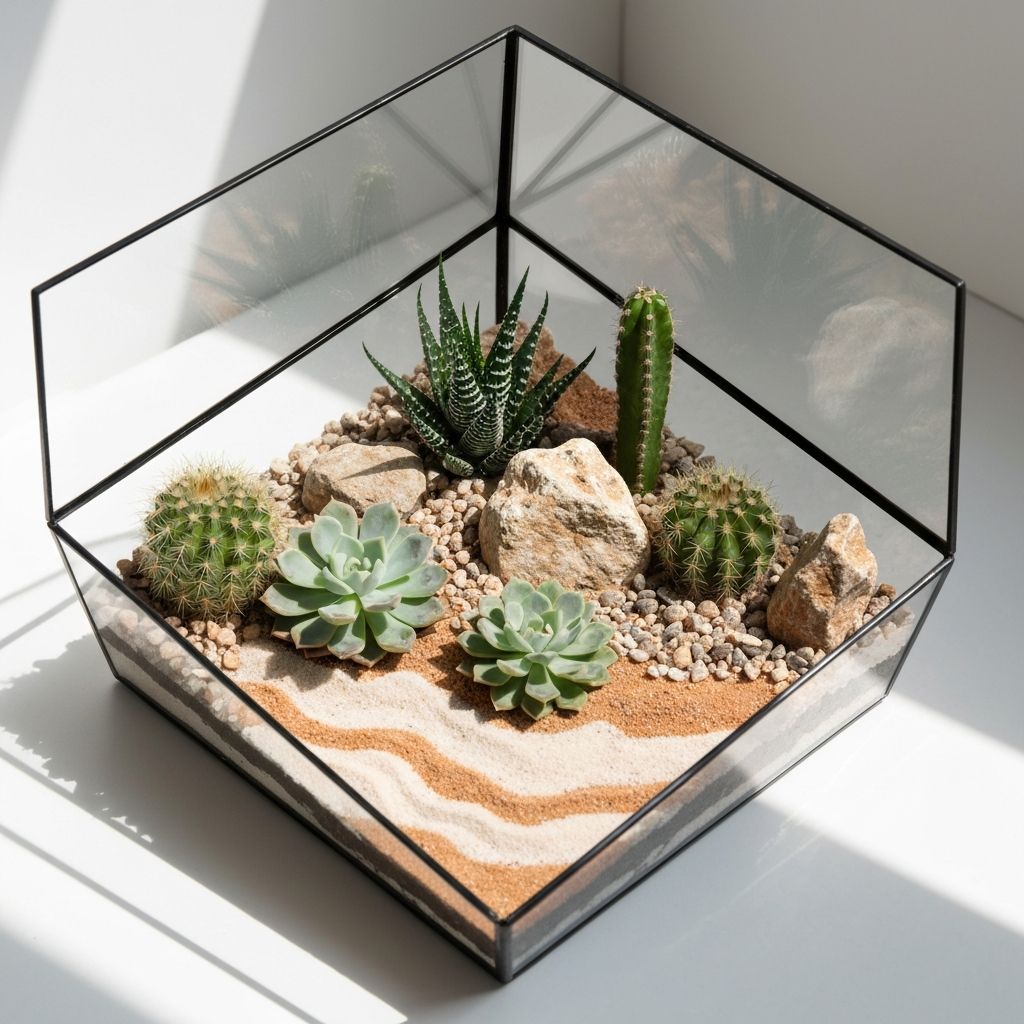
How to Make a Desert Terrarium with Succulents
Step-by-step guide to creating a beautiful open desert terrarium with succulents and cacti, including plant selection and care tips.
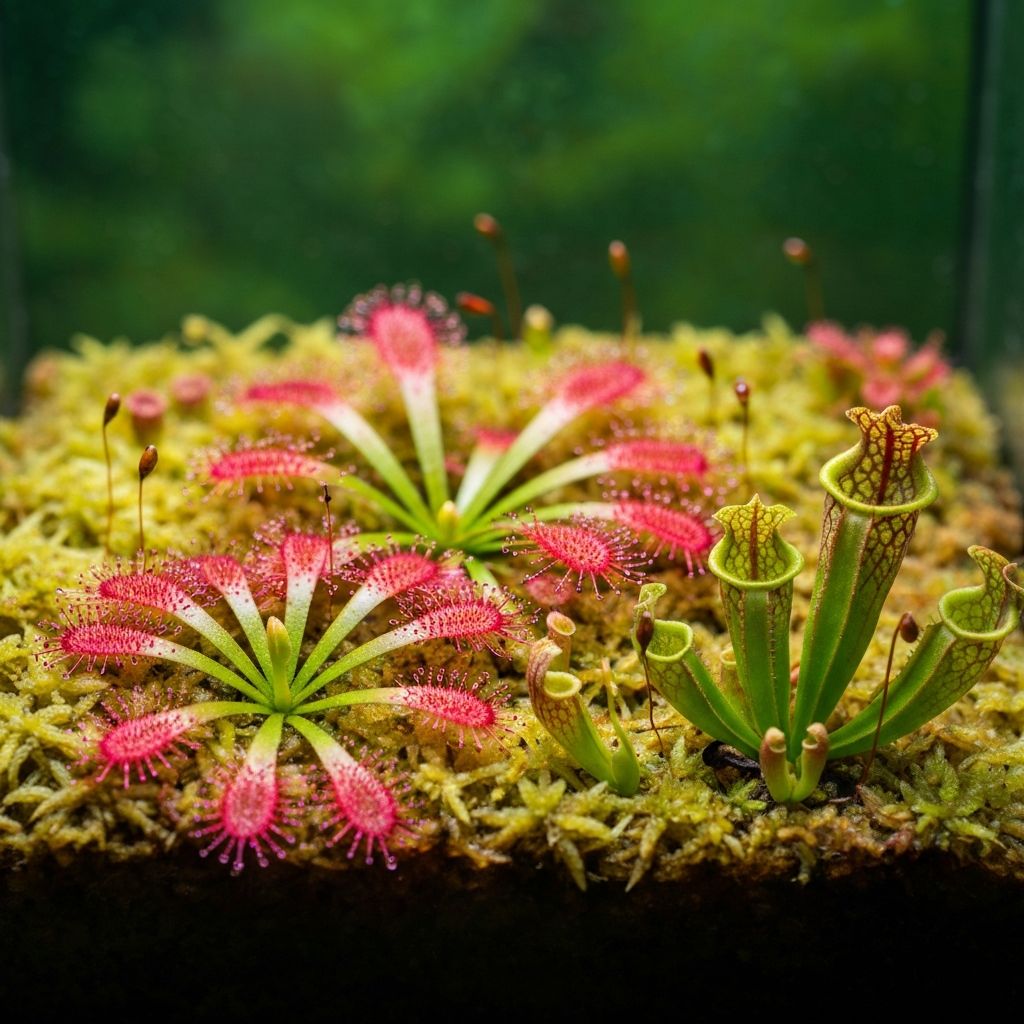
Carnivorous Plant Terrariums: A Specialized Guide
Create a thriving carnivorous plant terrarium with sundews, butterworts, and pitcher plants. Learn the unique requirements these fascinating plants demand.
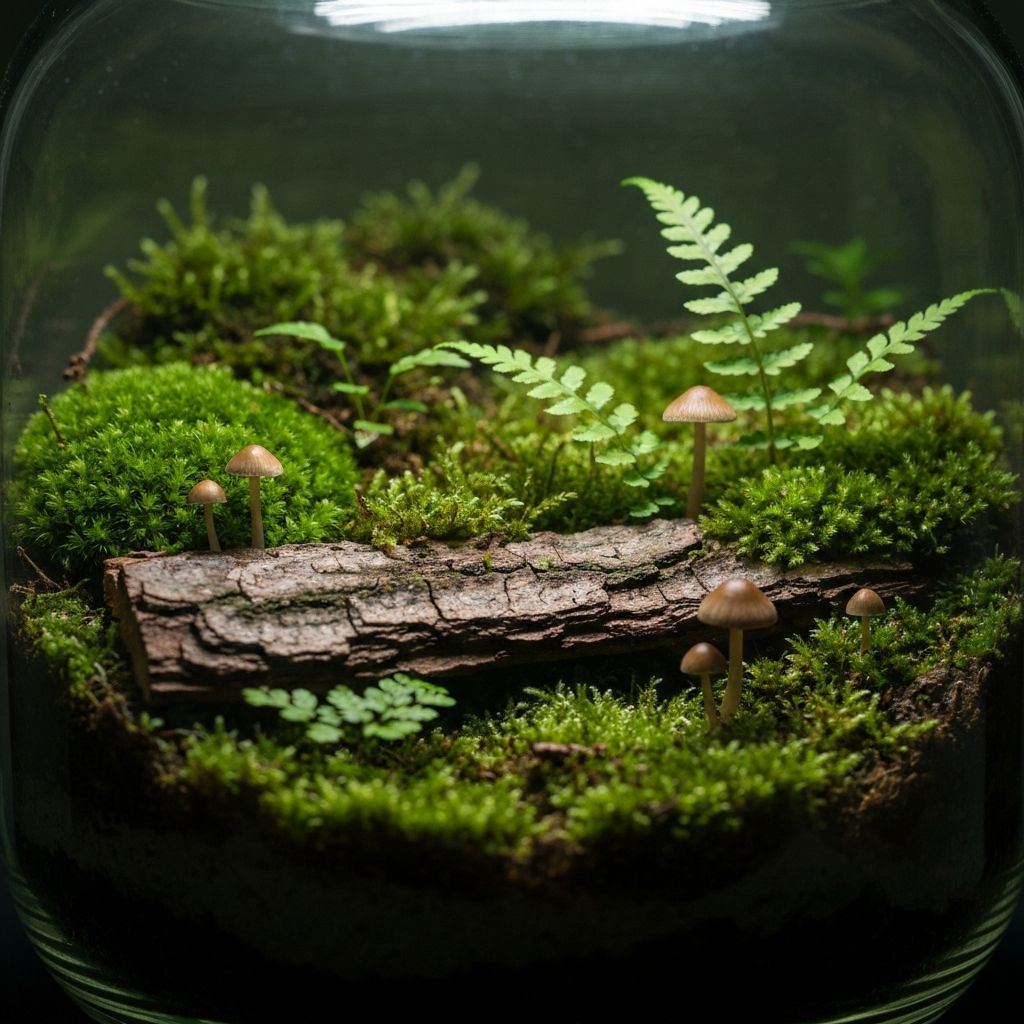
Creating a Woodland Forest Terrarium
Build a miniature temperate forest with native moss, ferns, and foraged materials for a natural woodland aesthetic.