Carnivorous Plant Terrariums: A Specialized Guide
Create a thriving carnivorous plant terrarium with sundews, butterworts, and pitcher plants. Learn the unique requirements these fascinating plants demand.
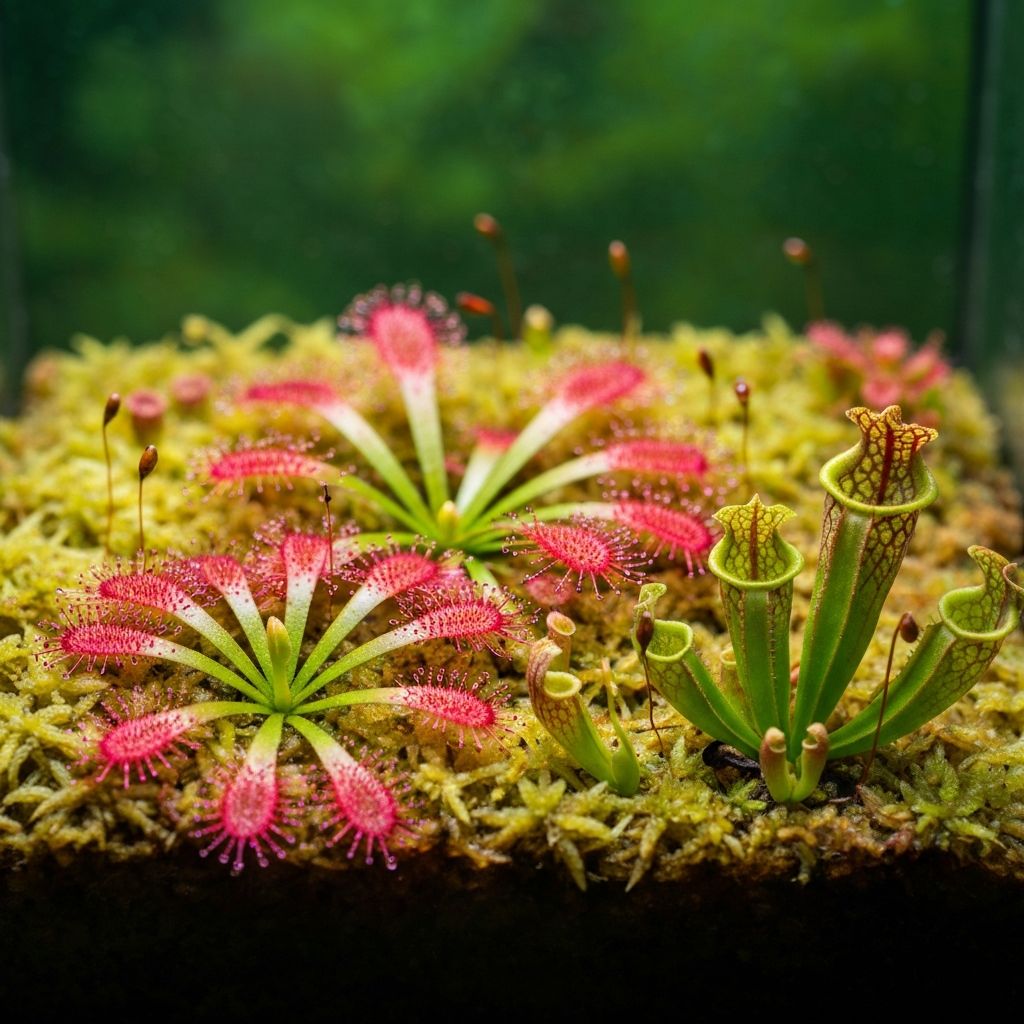
Carnivorous plants captivate like no other. Watching a sundew slowly curl around an insect or a Venus flytrap snap shut is endlessly fascinating. Growing them in terrariums is possible, but these plants have strict requirements that differ dramatically from typical terrarium inhabitants.
Understanding Carnivorous Plants
Why They Eat Insects
Carnivorous plants evolved in nutrient-poor environments, typically bogs and wetlands with acidic, mineral-depleted soil. Consuming insects provides nitrogen and phosphorus that their roots cannot obtain from the substrate.
Key Requirements
All carnivorous plants share certain needs:
- Pure water - No minerals, chlorine, or additives
- Nutrient-free substrate - Regular soil kills them
- High humidity - Most need 50%+ humidity
- Adequate light - Most need bright conditions
- No fertilizer - Ever
These requirements make them challenging but not impossible for terrariums.
Best Species for Terrariums
Sundews (Drosera)
The most terrarium-friendly carnivorous plants.
Tropical sundews (recommended):
- D. capensis - Cape sundew, very forgiving
- D. adelae - Lance-leaf sundew, low light tolerant
- D. spatulata - Spoon-leaf sundew, compact
- D. burmannii - Fast growing, annual
Characteristics:
- Glistening sticky tentacles
- Leaves curl around prey
- Size: 1-6 inches depending on species
- Many tolerate lower light than other carnivores
Why they work: Tropical sundews do not require dormancy, tolerate shade better than most carnivores, and stay compact.
Butterworts (Pinguicula)
Elegant rosettes with greasy-looking leaves.
Mexican butterworts (recommended):
- P. moranensis - Pink flowers, adaptable
- P. esseriana - Compact, easy
- P. gigantea - Larger but manageable
Tropical species:
- P. emarginata - Stays small
- P. filifolia - Grass-like leaves
Characteristics:
- Passive trapping via sticky leaves
- Beautiful flowers
- Size: 2-8 inches
- Some tolerate drier conditions than others
Why they work: Mexican butterworts are incredibly adaptable and tolerate typical terrarium conditions better than most carnivores.
Pitcher Plants (Smaller Species)
Mini pitchers can work in larger terrariums.
Suitable species:
- Nepenthes hybrids (small/highland types)
- Cephalotus follicularis - Australian pitcher
- Heliamphora - Sun pitchers (advanced)
Not recommended for terrariums:
- Sarracenia - Too large, need dormancy
- Most Nepenthes - Become massive
Characteristics:
- Modified leaves form pitfall traps
- Visually dramatic
- Size varies greatly by species
- Often need more light than other options
Venus Flytraps
The iconic carnivore, but challenging in terrariums.
Challenges:
- Requires winter dormancy (cold period)
- Needs very bright light
- Prefers fluctuating temperatures
- Often declines in constant warm, humid conditions
If you must try:
- Provide maximum light
- Keep cooler than typical terrariums
- Consider seasonal removal for dormancy
- Accept that they may not thrive long-term
Terrarium Setup
Container Selection
Carnivorous terrariums have specific needs:
Recommended:
- Tall containers (5+ inches height)
- Wide openings for airflow
- Clear glass for maximum light
- Ventilated or semi-open designs
Avoid:
- Tinted glass
- Very narrow openings
- Completely sealed systems
- Small containers (under 4 inches)
Substrate
The substrate rules are strict:
Acceptable materials:
- Long-fiber sphagnum moss
- Peat moss (pure, no additives)
- Perlite (rinsed thoroughly)
- Silica sand (pure)
Never use:
- Regular potting soil
- Compost
- Fertilized mixes
- Beach sand
- Vermiculite
Recommended mix: 1 part peat : 1 part perlite for most species Or pure long-fiber sphagnum moss
Drainage Layer
Standard terrarium drainage with modifications:
Materials:
- LECA (rinsed multiple times)
- Aquarium gravel (inert types)
- Horticultural charcoal (sparingly)
Important: Rinse all materials thoroughly with distilled water to remove mineral dust.
Water Requirements
This is where most people fail.
Acceptable water:
- Distilled water
- Reverse osmosis (RO) water
- Rainwater (collected away from buildings)
- Zero TDS water
Never use:
- Tap water (even filtered)
- Bottled spring water
- Well water
- Softened water
TDS (Total Dissolved Solids):
- Target: Under 50 PPM
- Ideal: Under 20 PPM
- Test with a TDS meter if unsure
Watering method:
- Keep substrate moist to wet
- Many species tolerate sitting in water
- Never let completely dry out
- Mist with pure water only
Lighting
Most carnivorous plants need bright light.
Natural Light
- South-facing window minimum
- Some direct sun beneficial
- Supplemental lighting often needed
- Low light = weak, non-carnivorous growth
Grow Lights
Recommended specs:
- Full spectrum LED
- 5000-6500K color temperature
- 12-16 hours daily
- Position 6-12 inches above plants
Good options:
- T5 fluorescent tubes
- LED grow panels
- High-output LED strips
Light by Species
| Species | Light Needs | |---------|-------------| | Sundews (tropical) | Moderate to bright | | Butterworts (Mexican) | Moderate | | Nepenthes (highland) | Bright indirect | | Venus flytrap | Very bright, some direct | | Cephalotus | Bright |
Climate Control
Temperature
Species have different preferences:
Tropical/lowland (70-85°F):
- Tropical sundews
- Lowland Nepenthes
- Tropical butterworts
Highland/intermediate (60-75°F):
- Highland Nepenthes
- Heliamphora
- Some Drosera
Temperate (need cold dormancy):
- Venus flytraps
- Sarracenia
- Temperate sundews
- Not ideal for year-round terrariums
Humidity
Most carnivores appreciate humidity:
- Minimum: 50%
- Ideal: 60-80%
- Some Nepenthes: 80%+
- Mexican Pinguicula: 40-60% acceptable
Ventilation
Unlike tropical terrariums, carnivore terrariums benefit from airflow:
- Prevents fungal issues
- Reduces pest problems
- Strengthens plant growth
- Consider partially open designs
Feeding
Do They Need to Eat?
In a terrarium, feeding is optional but beneficial:
- Plants survive without prey
- Fed plants grow faster and larger
- 1-2 insects per month is plenty
- Do not overfeed
What to Feed
Suitable foods:
- Small flies
- Fungus gnats
- Freeze-dried insects (rehydrated)
- Fish food flakes (tiny amounts)
Avoid:
- Large insects
- Ants (can escape, damage traps)
- Meat
- Human food
Feeding Technique
For sundews and butterworts:
- Place insect directly on leaves
- Use tweezers for precision
- One insect per plant is sufficient
For Venus flytraps:
- Trigger trap with dead insect
- Stimulate trigger hairs 2-3 times
- Trap needs to sense movement to digest
Common Problems
Brown or Black Leaves
Cause: Old leaves dying (normal) or mineral buildup
Solution:
- Remove dead foliage
- Check water quality
- Trim affected leaves at base
No Dew Production (Sundews)
Cause: Low humidity, root problems, or acclimatization
Solution:
- Increase humidity
- Check roots are healthy
- Give newly purchased plants time to adjust
- Ensure adequate light
Weak, Pale Growth
Cause: Insufficient light
Solution:
- Move closer to window
- Add supplemental grow lights
- Reduce obstruction from other plants
Fungal Issues
Cause: Poor air circulation, too wet
Solution:
- Increase ventilation
- Remove affected material
- Reduce misting
- Space plants further apart
Mineral Burn
Cause: Tap water or contaminated materials
Solution:
- Immediately flush with distilled water
- Repot in fresh substrate if severe
- May not recover if damage is extensive
Design Ideas
Bog Garden
Recreate a wetland scene:
- Pure sphagnum moss mounds
- Multiple sundew species
- Small pitcher if space allows
- Driftwood emerging from "water"
Minimalist Display
Showcase individual specimens:
- Single striking plant
- Pure white sand as top dressing
- Clean glass container
- Maximum light exposure
Highland Scene
For cool-growing species:
- Nepenthes with moss
- Live sphagnum as ground cover
- Mist system for humidity
- Orchids as companions (careful with fertilizer)
Maintenance Schedule
Daily:
- Check moisture level
- Ensure water tray filled (if used)
Weekly:
- Mist with distilled water
- Remove dead insects/leaves
- Check for pests
Monthly:
- Deep water flush
- Feed if desired
- Assess light levels
- Clean glass
Annually:
- Consider repotting
- Replace substrate if mineral buildup
- Divide overcrowded plants
Conclusion
Carnivorous plant terrariums reward patience and attention to detail. The key is understanding that these plants evolved in harsh, mineral-free environments and cannot tolerate the nutrient-rich conditions most plants enjoy. Start with tropical sundews or Mexican butterworts, master their water and light requirements, then expand into more challenging species. The satisfaction of watching your sundew capture its first gnat makes all the extra effort worthwhile.
Tags
Written by
Sarah Chen
A contributing writer at Terrarium Guide. Our team is dedicated to providing well-researched, accurate, and helpful content to our readers.
Learn more about our teamRelated Articles
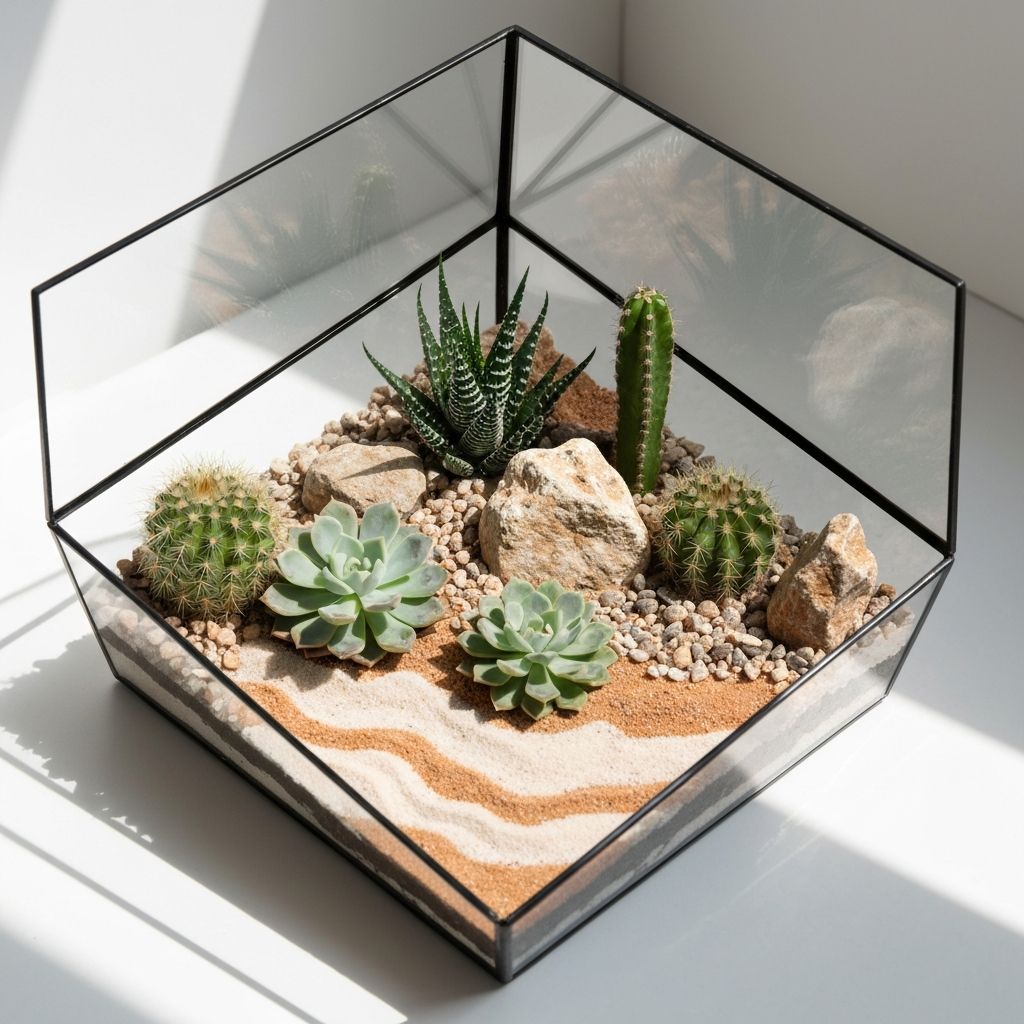
How to Make a Desert Terrarium with Succulents
Step-by-step guide to creating a beautiful open desert terrarium with succulents and cacti, including plant selection and care tips.
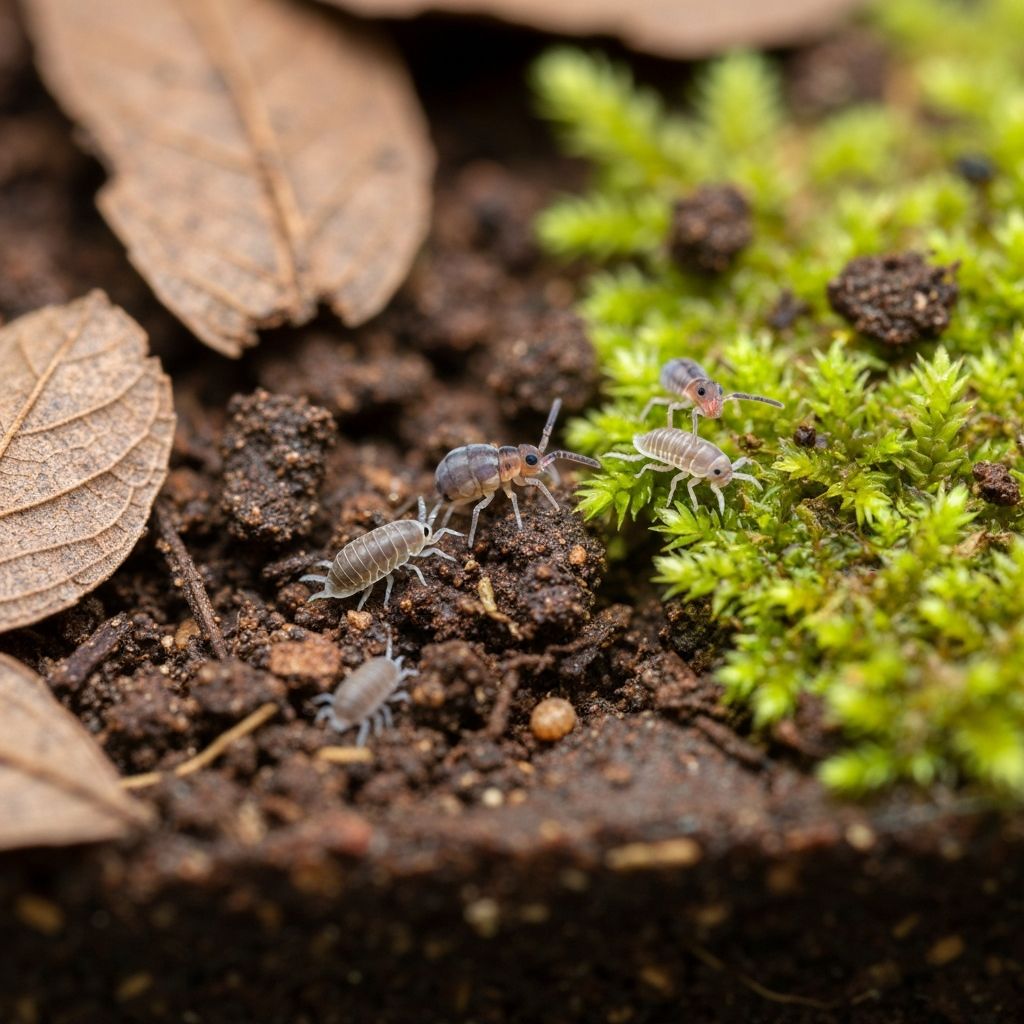
Building a Bioactive Terrarium with Springtails and Isopods
Create a self-cleaning ecosystem with springtails and isopods that consume mold, dead leaves, and waste to keep your terrarium healthy.
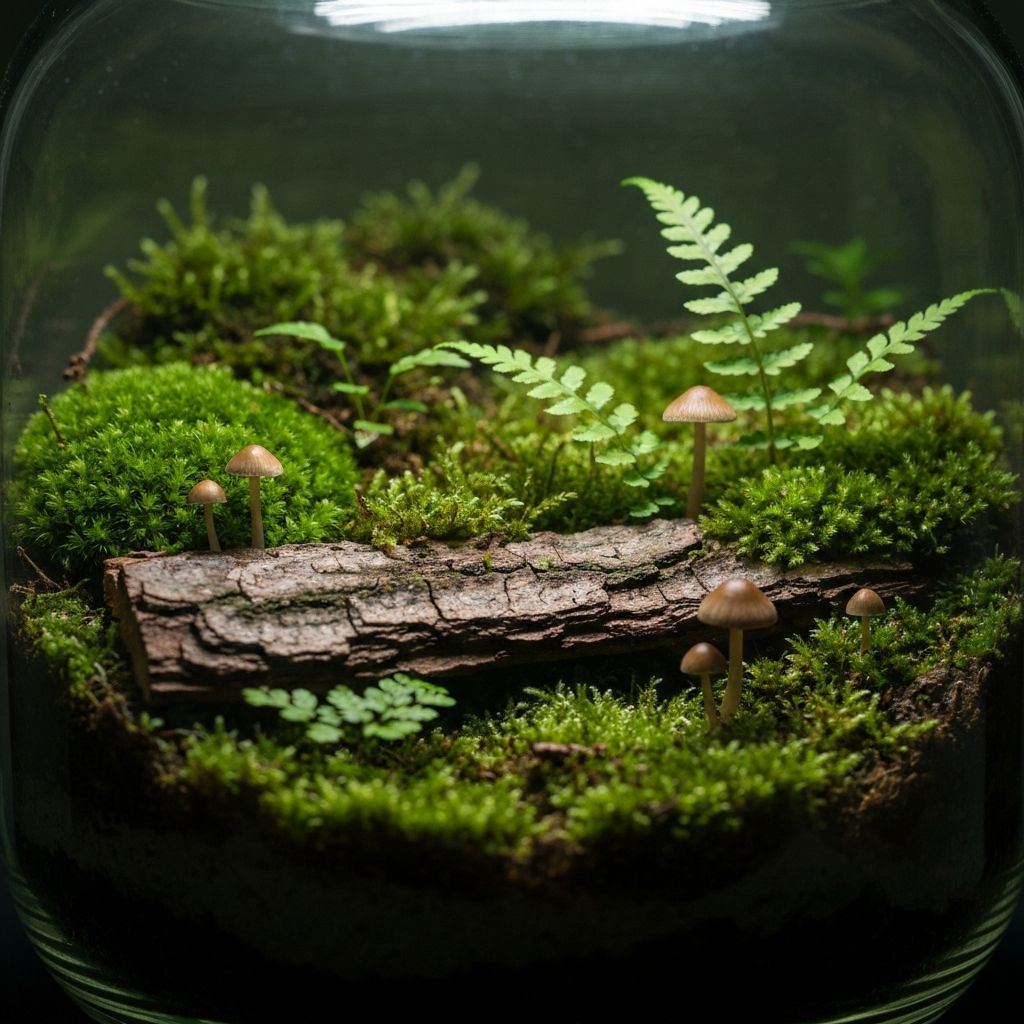
Creating a Woodland Forest Terrarium
Build a miniature temperate forest with native moss, ferns, and foraged materials for a natural woodland aesthetic.