How to Make a Desert Terrarium with Succulents
Step-by-step guide to creating a beautiful open desert terrarium with succulents and cacti, including plant selection and care tips.
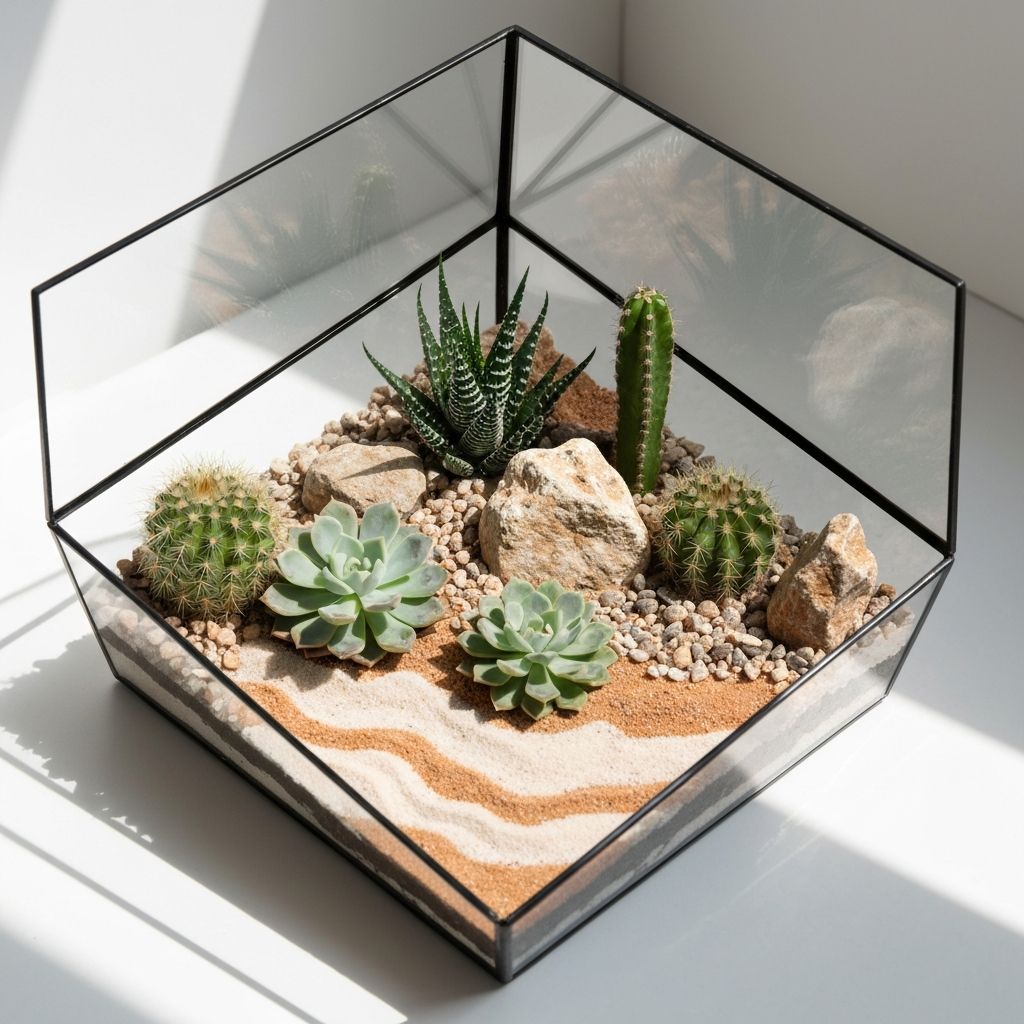
Desert terrariums bring the stark beauty of arid landscapes into your home. Unlike humid tropical terrariums, these open containers showcase succulents, cacti, and sand in arrangements that require minimal water and thrive on neglect.
Understanding Desert Terrariums
Desert terrariums differ fundamentally from closed tropical terrariums:
- Open design: No lid, allowing moisture to escape
- Low humidity: Matches desert plant needs
- Well-draining soil: Critical for preventing rot
- Bright light: Most succulents need more light than tropical plants
- Infrequent watering: Weekly to monthly depending on conditions
The open design means no self-sustaining water cycle. You'll water these terrariums like regular potted plants, just less frequently.
Materials Needed
Container
Choose an open container with:
- No lid (or lid permanently removed)
- At least 3 inches of depth
- Wide opening for planting
- Drainage holes preferred (not required with proper layering)
Good options:
- Geometric terrariums
- Wide glass bowls
- Shallow aquariums
- Open apothecary jars
Substrate Materials
- Drainage layer: Pebbles, gravel, or LECA
- Separation: Mesh or landscape fabric (optional but helpful)
- Soil: Cactus/succulent mix or custom blend
- Top dressing: Decorative sand, pebbles, or crushed stone
Plants
Select 3-5 plants with similar care needs. Options include:
- Small echeveria varieties
- Haworthia
- Small sedums
- Miniature aloe
- Small cacti (if you want spines)
- Living stones (lithops)
Decorative Elements
- Driftwood pieces
- Interesting rocks
- Sand in natural colors
- Tiny figurines (optional)
Tools
- Long tweezers or chopsticks
- Small brush for cleaning leaves
- Spray bottle
- Gloves (if using cacti)
- Spoon for placing soil
Choosing Plants
Compatibility Rules
Group plants with similar needs:
Full sun tolerance:
- Echeveria
- Sedum
- Most cacti
- Sempervivum
Partial shade tolerance:
- Haworthia
- Gasteria
- Some aloe varieties
- Sansevieria (snake plant)
Don't mix shade-loving haworthia with full-sun echeveria unless you can position them appropriately within the container.
Size Considerations
For a 6-8 inch container, choose:
- One focal plant (2-3 inches)
- Two medium plants (1-2 inches)
- One or two trailing or small plants
Leave room for growth. Succulents spread, and overcrowding leads to problems.
Color and Texture
Create interest through variety:
- Mix rosette shapes with spiky or trailing forms
- Combine green with blue-gray, purple, or pink-tinged varieties
- Include different leaf textures (smooth, fuzzy, waxy)
Step-by-Step Assembly
Step 1: Prepare the Container
Clean the container thoroughly with soap and water. Dry completely before starting.
If the container has no drainage holes, plan for a slightly deeper drainage layer.
Step 2: Add Drainage Layer
Pour 1-2 inches of drainage material into the container:
- Use pebbles, gravel, or LECA
- Create an even layer
- This prevents water from pooling around roots
Step 3: Add Separation Layer (Optional)
Cut mesh or landscape fabric to fit, covering the drainage layer completely. This prevents soil from mixing into the drainage area over time.
Step 4: Add Soil
Use cactus/succulent soil mix or create your own:
DIY succulent mix:
- 2 parts regular potting soil
- 1 part coarse sand or perlite
- 1 part small gravel or pumice
Add soil to a depth of 2-3 inches, enough for root systems. Create slight mounds or variations for visual interest.
Step 5: Plan Plant Placement
Before planting, arrange plants (still in nursery pots) on top of the soil. Step back and view from multiple angles.
Placement tips:
- Tallest plant toward back (if one-sided viewing) or center (if viewed from all sides)
- Trailing plants near edges
- Leave negative space; don't fill every inch
Step 6: Plant
Remove each plant from its nursery pot:
- Gently squeeze the pot to loosen
- Turn upside down and catch the plant
- Brush away some old soil from roots
- Create a hole in terrarium soil
- Place plant at same depth as before
- Firm soil gently around base
Work from back to front, or from center outward, to avoid disturbing plants you've already placed.
Step 7: Add Decorative Elements
Position rocks, driftwood, or other elements:
- Bury bases slightly for natural appearance
- Use odd numbers (1, 3, 5) for natural arrangements
- Create a sense of scale
Step 8: Add Top Dressing
Cover exposed soil with decorative material:
- Sand in natural colors (avoid dyed sand)
- Small pebbles or crushed stone
- Aquarium gravel
Top dressing serves multiple purposes:
- Improves appearance
- Keeps soil surface dry (reduces rot risk)
- Prevents soil splash during watering
Step 9: Clean Up
Use a small brush to remove soil or sand from leaves. A soft paintbrush works well for this.
Clean any smudges from glass with a dry cloth.
Step 10: Initial Watering
Wait 3-5 days before first watering. This allows any damaged roots to heal and reduces rot risk.
When you do water:
- Water soil, not plants
- Use small amounts
- Ensure water doesn't pool on soil surface
Placement
Light Requirements
Most desert terrariums need bright light:
- South or west-facing windows work best
- 4-6 hours of bright light daily
- Some direct sun is acceptable (unlike tropical terrariums)
Signs of insufficient light:
- Stretching toward light source
- Pale or faded colors
- Leggy, weak growth
Temperature
Succulents tolerate temperature variation better than tropical plants:
- Ideal: 60-80°F (15-27°C)
- Can handle cooler nights
- Avoid freezing temperatures
Keep away from cold drafts in winter and heating vents that create dry hot spots.
Ongoing Care
Watering Schedule
The number one cause of succulent death is overwatering.
How often: Every 1-3 weeks, depending on:
- Container size (smaller dries faster)
- Season (less in winter)
- Humidity levels
- Plant types
How much: Water until soil is moist but not soaked. No water should pool at the bottom.
Method: Use a squeeze bottle or small watering can for precision. Water the soil, avoiding leaves.
Test before watering: Stick your finger 1 inch into soil. If dry, water. If moist, wait.
Fertilizing
Succulents need minimal fertilizer:
- Use cactus fertilizer at half strength
- Apply once in spring, once in summer
- Never fertilize in winter
- Skip fertilizing the first year
Grooming
Regular maintenance keeps your terrarium looking good:
- Remove dead leaves (they harbor pests)
- Brush dust from plants monthly
- Trim any stretched or damaged growth
- Remove fallen debris promptly
Pest Watch
Common succulent pests:
- Mealybugs: White cottony masses; remove with alcohol-dipped cotton swab
- Scale: Brown bumps on stems; scrape off gently
- Fungus gnats: Usually indicate overwatering; let soil dry completely
Common Problems
Soft, Mushy Leaves
Cause: Overwatering or poor drainage
Solution: Stop watering immediately. Remove affected leaves. Check drainage. May need to remove plant and let roots dry.
Stretched, Leggy Growth
Cause: Insufficient light
Solution: Move to brighter location. Stretched growth won't revert but new growth will be compact.
Shriveled Leaves
Cause: Underwatering (rare) or root problems from overwatering
Solution: If soil is bone dry, water deeply once. If soil has been wet, check for root rot.
White Crust on Soil
Cause: Mineral buildup from tap water
Solution: Scrape off and replace top layer. Consider using filtered water.
Design Variations
Zen Garden Style
- Mostly sand with few plants
- Raked patterns around stones
- Minimalist plant selection
- Emphasis on negative space
Wild Desert Scene
- More plants and natural arrangement
- Varied heights and textures
- Driftwood as focal element
- Layered stone arrangements
Geometric Modern
- Clean lines in plant placement
- Complementary geometric container
- Limited color palette
- Architectural plant choices
Final Thoughts
Desert terrariums are forgiving projects that suit busy lifestyles. The plants prefer neglect over attention, and the open design means moisture mistakes are easily corrected.
Start simple with 3-4 plants in a basic container. As you learn what works in your space, you can create more complex desert landscapes in larger containers.
Tags
Written by
Sarah Chen
A contributing writer at Terrarium Guide. Our team is dedicated to providing well-researched, accurate, and helpful content to our readers.
Learn more about our teamRelated Articles
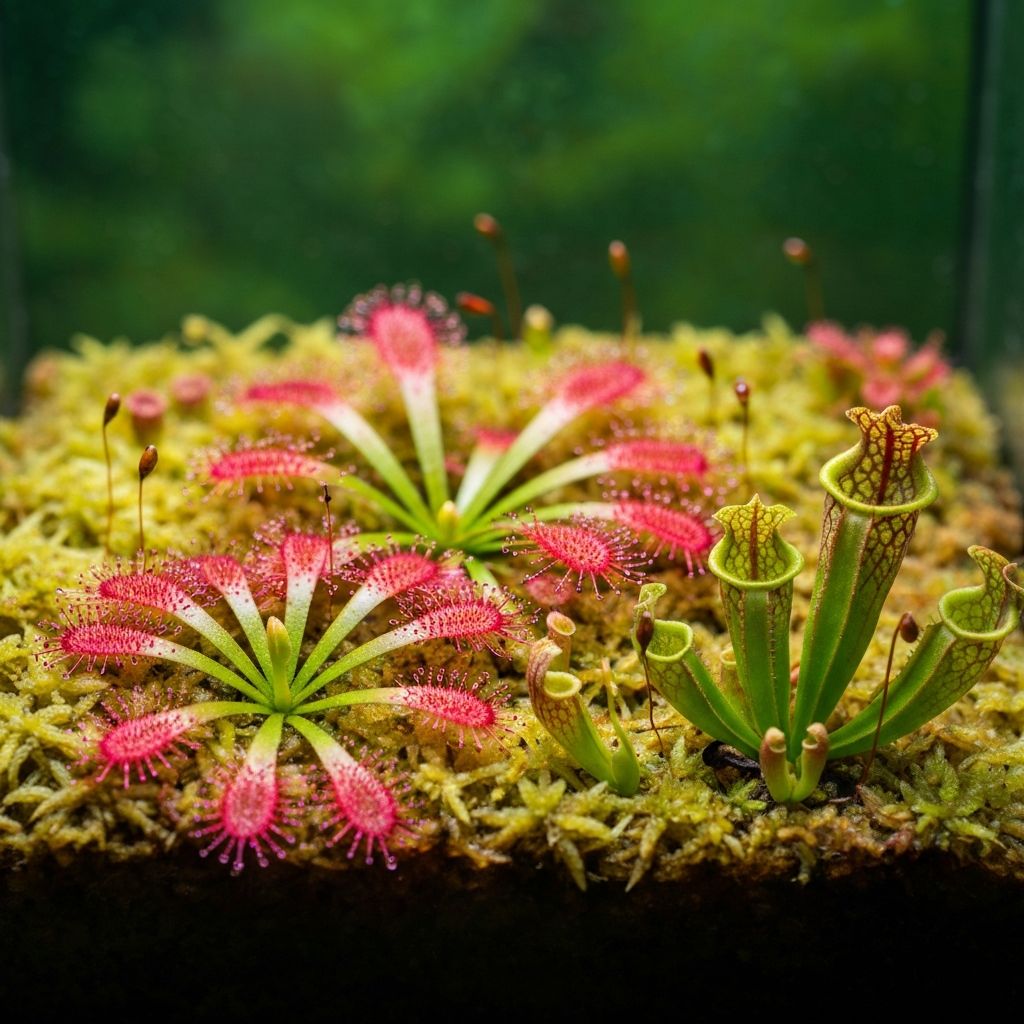
Carnivorous Plant Terrariums: A Specialized Guide
Create a thriving carnivorous plant terrarium with sundews, butterworts, and pitcher plants. Learn the unique requirements these fascinating plants demand.
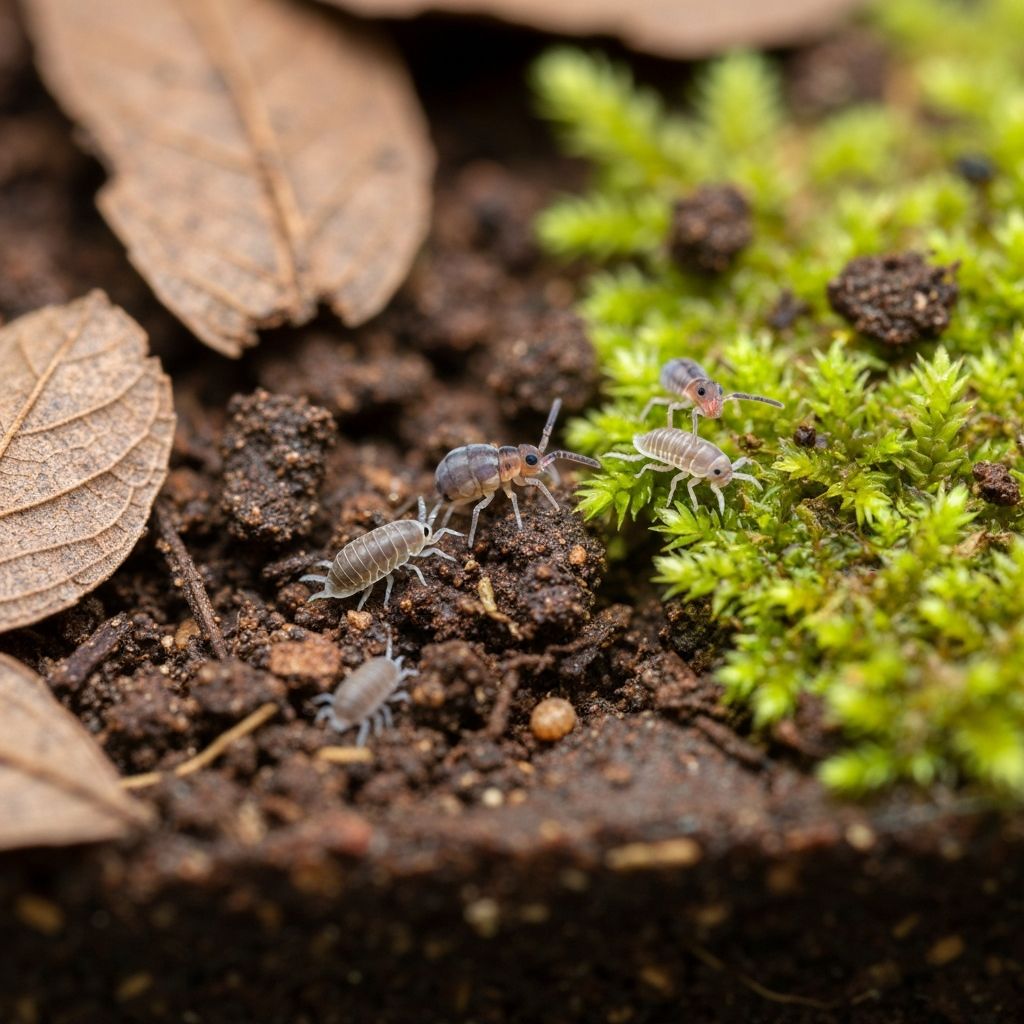
Building a Bioactive Terrarium with Springtails and Isopods
Create a self-cleaning ecosystem with springtails and isopods that consume mold, dead leaves, and waste to keep your terrarium healthy.
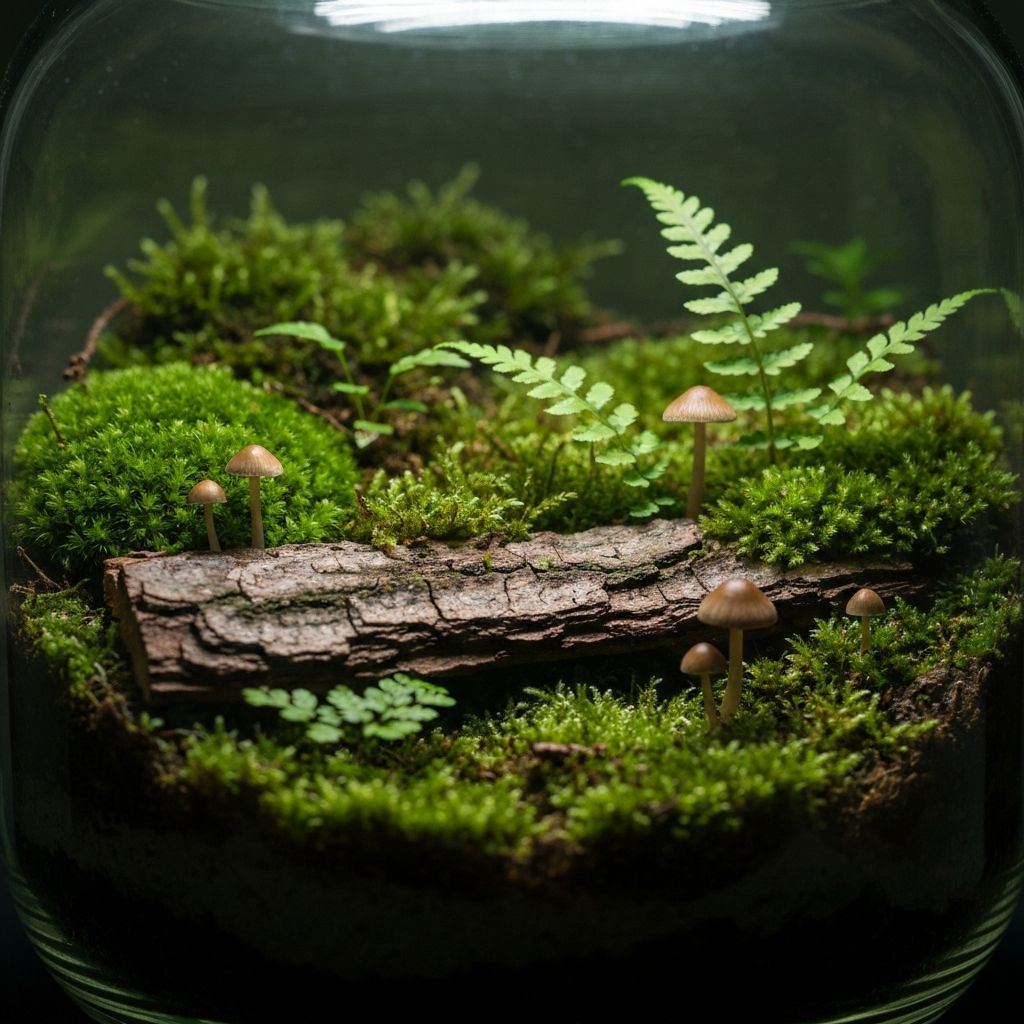
Creating a Woodland Forest Terrarium
Build a miniature temperate forest with native moss, ferns, and foraged materials for a natural woodland aesthetic.