Creating a Woodland Forest Terrarium
Build a miniature temperate forest with native moss, ferns, and foraged materials for a natural woodland aesthetic.
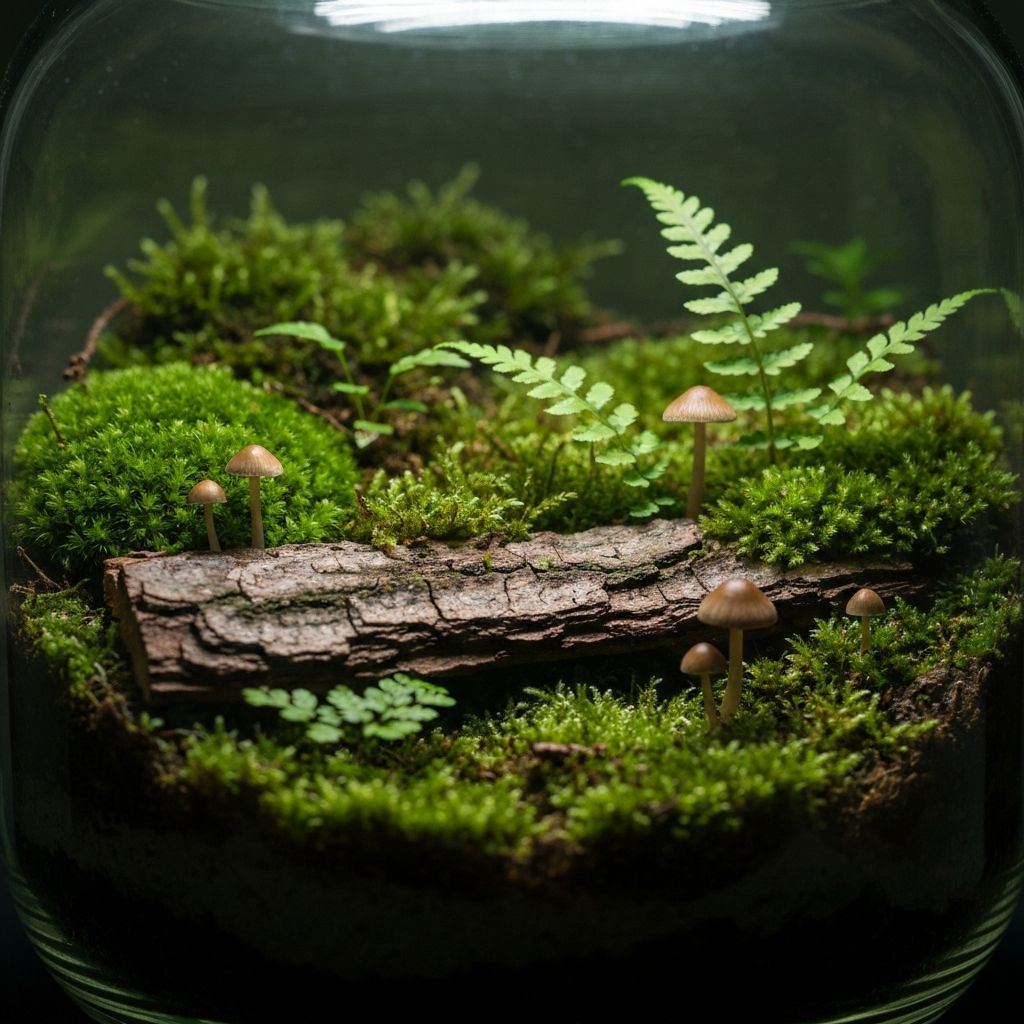
Woodland terrariums capture the essence of temperate forests, with moss-covered stones, tiny ferns, and decaying logs. Unlike tropical terrariums with colorful exotic plants, woodland builds embrace subtle greens and natural materials for a peaceful, naturalistic aesthetic.
Woodland vs. Tropical Terrariums
Understanding the differences helps with planning:
Woodland style:
- Temperate plants tolerant of cooler temps
- Muted green palette
- Heavy emphasis on moss
- Foraged natural materials
- Often seasonal in nature
Tropical style:
- Plants from warm climates
- Often colorful foliage
- Mix of plant types
- Purchased materials
- Year-round consistency
You can build woodland terrariums that function like tropical ones, maintaining consistent conditions. The style is more about aesthetics than strict environmental matching.
Materials
Container
Choose containers that suit the naturalistic style:
- Clear glass jars with wide mouths
- Low, wide bowls (for landscape scenes)
- Vintage canning jars
- Bell jars on wood bases
Avoid geometric or modern containers that clash with the woodland aesthetic.
Substrate Materials
- Drainage gravel (natural colors)
- Sphagnum moss barrier
- Activated charcoal
- Woodland soil mix or ABG mix
- Leaf litter
Plants
Mosses (the foundation):
- Sheet moss
- Mood moss
- Haircap moss
- Rock cap moss
- Liverworts
Ferns (for height):
- Maidenhair fern (small varieties)
- Polypody ferns
- Bird's nest fern (miniature)
- Rabbit's foot fern
Ground covers:
- Selaginella
- Baby tears (Soleirolia)
- Creeping fig (tiny varieties)
Native options (if foraging legally):
- Wild violets (small)
- Wintergreen
- Partridge berry
- Local moss species
Hardscape
- Twigs and small branches
- Weathered bark pieces
- Small stones (natural, not polished)
- Dried seed pods
- Small pine cones
- Lichen-covered twigs
Foraging Materials
Collecting natural materials adds authenticity but requires responsibility.
Ethical Foraging Rules
- Only collect from private property with permission
- Never forage from parks or protected areas
- Take only small amounts; leave most behind
- Avoid disturbing wildlife or habitats
- Check local regulations on plant collection
What to Collect
Safe to take:
- Fallen branches and bark
- Leaf litter
- Stones from your property
- Moss from your yard (sparingly)
- Seed pods and cones
Approach carefully:
- Living plants (research species; some are protected)
- Moss from established colonies (take only edges)
Quarantine Protocol
Foraged materials may carry pests or hitchhikers:
- Inspect materials thoroughly
- Soak in room-temperature water for 30 minutes
- Let dry completely
- Freeze for 48 hours (optional, for pest control)
- Inspect again before use
Building the Terrarium
Step 1: Clean Container
Wash container with mild soap, rinse thoroughly, dry completely.
Step 2: Drainage Layer
Add 1-2 inches of natural-colored gravel or pebbles. Create gentle slopes for visual interest.
Step 3: Barrier Layer
Cover drainage with sheet of sphagnum moss or mesh. Prevents soil migration.
Step 4: Charcoal
Add thin layer of activated charcoal over barrier.
Step 5: Substrate
Add 2-3 inches of woodland mix:
- 2 parts regular potting soil
- 1 part leaf mold or compost
- 1 part perlite or bark
Create terrain: hills, valleys, flat areas. This mimics forest floor topography.
Step 6: Position Hardscape
Place branches, stones, and bark before planting:
- Large pieces first
- Create focal points
- Leave planting pockets
- Bury bases for natural appearance
Step 7: Plant Ferns and Taller Plants
Position any upright plants:
- Back of container if one-sided viewing
- Consider growth direction and spread
- Plant at same depth as nursery containers
Step 8: Add Ground Covers
Fill in with selaginella, baby tears, or other low plants around ferns and hardscape.
Step 9: Moss Carpeting
This is where woodland terrariums shine:
- Lay sheet moss in large sections
- Press firmly to soil contact
- Fill gaps with smaller moss pieces
- Cover exposed soil completely
- Add mood moss mounds for texture
Step 10: Final Details
- Sprinkle leaf litter naturally
- Add small stones as accents
- Position tiny pine cones or seed pods
- Tuck lichen-covered twigs into scene
Step 11: Initial Watering
Mist thoroughly until moss is damp and soil is moist. Don't waterlog.
Step 12: Seal and Observe
Close container and watch for 48 hours. Adjust moisture if condensation is excessive or absent.
Creating Specific Woodland Scenes
Forest Floor Vignette
Focus on:
- Multiple moss varieties at different heights
- One small fern as canopy element
- Scattered leaf litter
- Weathered twig as fallen log
Mossy Rock Garden
Focus on:
- Interesting stones partially buried
- Moss growing over and around rocks
- Minimal plants besides moss
- Lichen on wood accents
Fairy Forest
Focus on:
- Twisted branches suggesting trees
- Dense moss carpet
- Small plants in clusters
- Miniature pathway of tiny pebbles
Care and Maintenance
Light
Woodland plants prefer less intense light than tropical species:
- North-facing windows ideal
- East windows with morning sun
- Avoid direct afternoon sun
- Cooler temperatures acceptable
Watering
Moss-heavy terrariums need consistent moisture:
- Moss should never fully dry
- Mist if glass stays clear too long
- Less water needed than tropical setups
- Watch moss color (dry moss is lighter)
Seasonal Considerations
True temperate plants may show seasonal changes:
- Some ferns die back in winter
- Moss color may shift seasonally
- Growth slows in cooler months
- This is natural, not a problem
If using tropical plants styled as woodland, they'll maintain year-round consistency.
Maintaining the Look
- Remove fallen debris that looks messy
- Trim ferns that outgrow space
- Replace moss sections that die
- Refresh leaf litter periodically
Troubleshooting
Moss Browning
Cause: Too dry, too much light, or natural die-off
Solution: Increase moisture, reduce light, trim brown sections
Mold on Leaf Litter
Cause: Normal decomposition, excess moisture
Solution: Remove affected material, improve ventilation
Ferns Overtaking
Cause: Healthy growth exceeding space
Solution: Prune aggressively; ferns handle pruning well
Condensation Obscuring View
Cause: Temperature differential or excess moisture
Solution: Open briefly to release moisture; wipe interior glass
Long-Term Evolution
Woodland terrariums change over time:
First months: Plants establish, moss fills gaps
First year: Ferns size up, moss covers hardscape
Ongoing: Gradual ecosystem development, possible need for intervention
Some builders embrace the evolution. Others maintain the original vision through regular pruning and refreshing. Both approaches are valid.
Final Thoughts
Woodland terrariums offer a contemplative alternative to vibrant tropical builds. The muted palette and natural materials create miniature landscapes that feel discovered rather than constructed.
Take your time gathering materials. Let the hardscape inspire plant placement. And resist the urge to add color, the quiet green-on-green palette is the point.
Tags
Written by
Sarah Chen
A contributing writer at Terrarium Guide. Our team is dedicated to providing well-researched, accurate, and helpful content to our readers.
Learn more about our teamRelated Articles
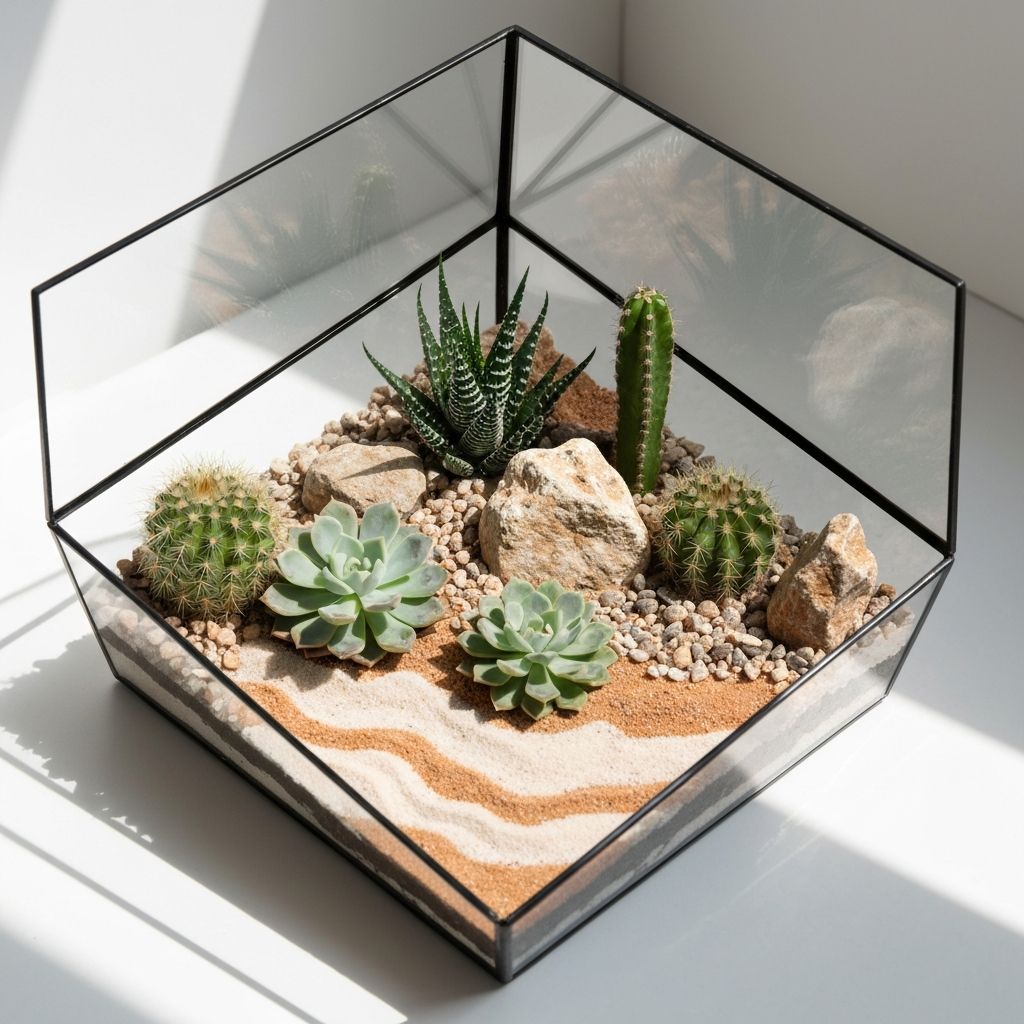
How to Make a Desert Terrarium with Succulents
Step-by-step guide to creating a beautiful open desert terrarium with succulents and cacti, including plant selection and care tips.
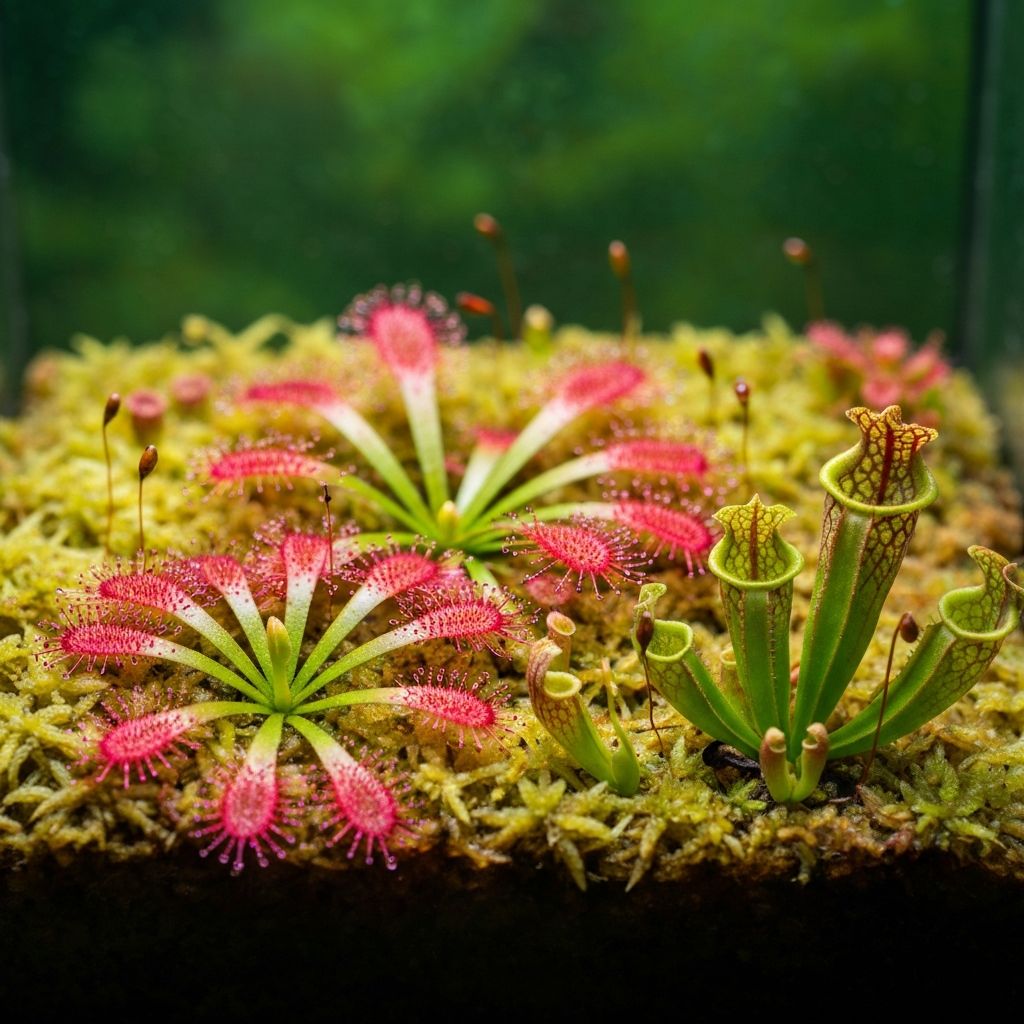
Carnivorous Plant Terrariums: A Specialized Guide
Create a thriving carnivorous plant terrarium with sundews, butterworts, and pitcher plants. Learn the unique requirements these fascinating plants demand.
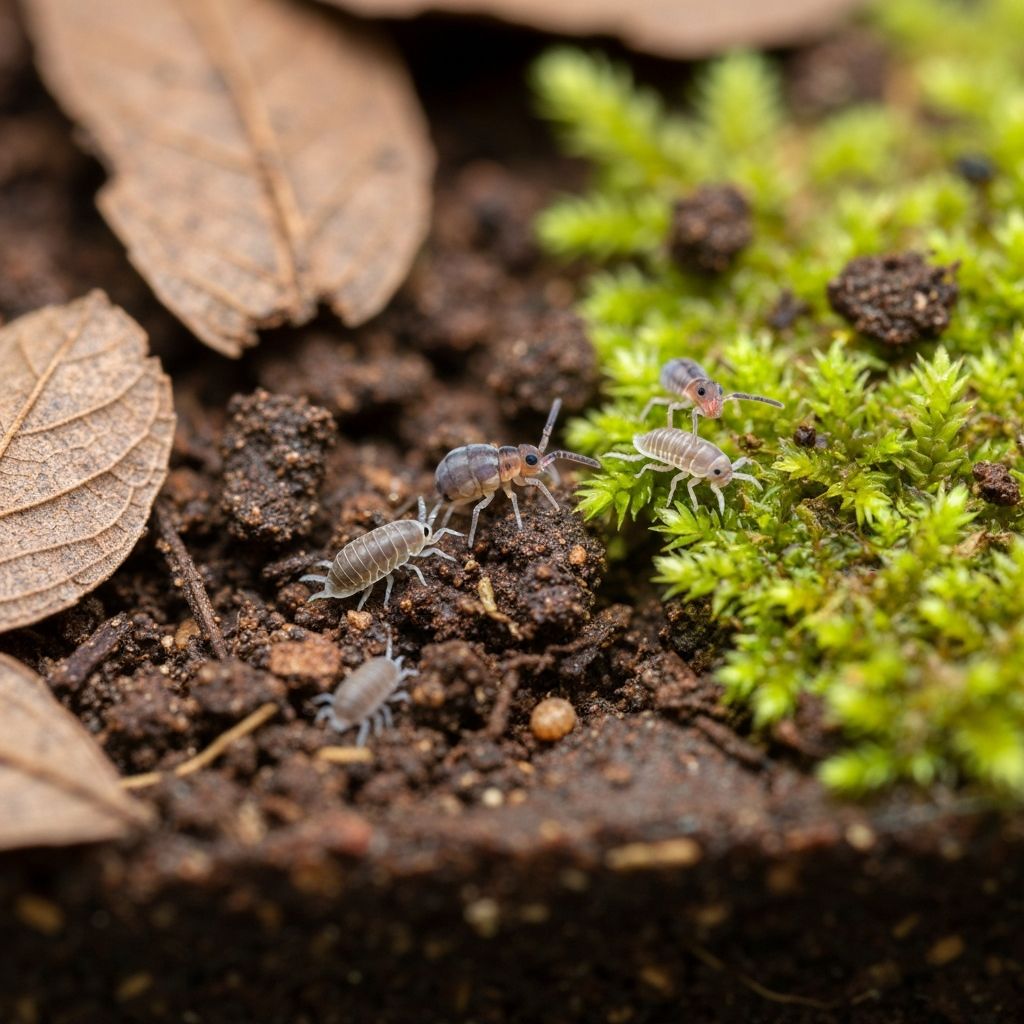
Building a Bioactive Terrarium with Springtails and Isopods
Create a self-cleaning ecosystem with springtails and isopods that consume mold, dead leaves, and waste to keep your terrarium healthy.