Growing Miniature Orchids in Terrariums
A guide to selecting and caring for miniature orchid species that thrive in terrarium conditions.
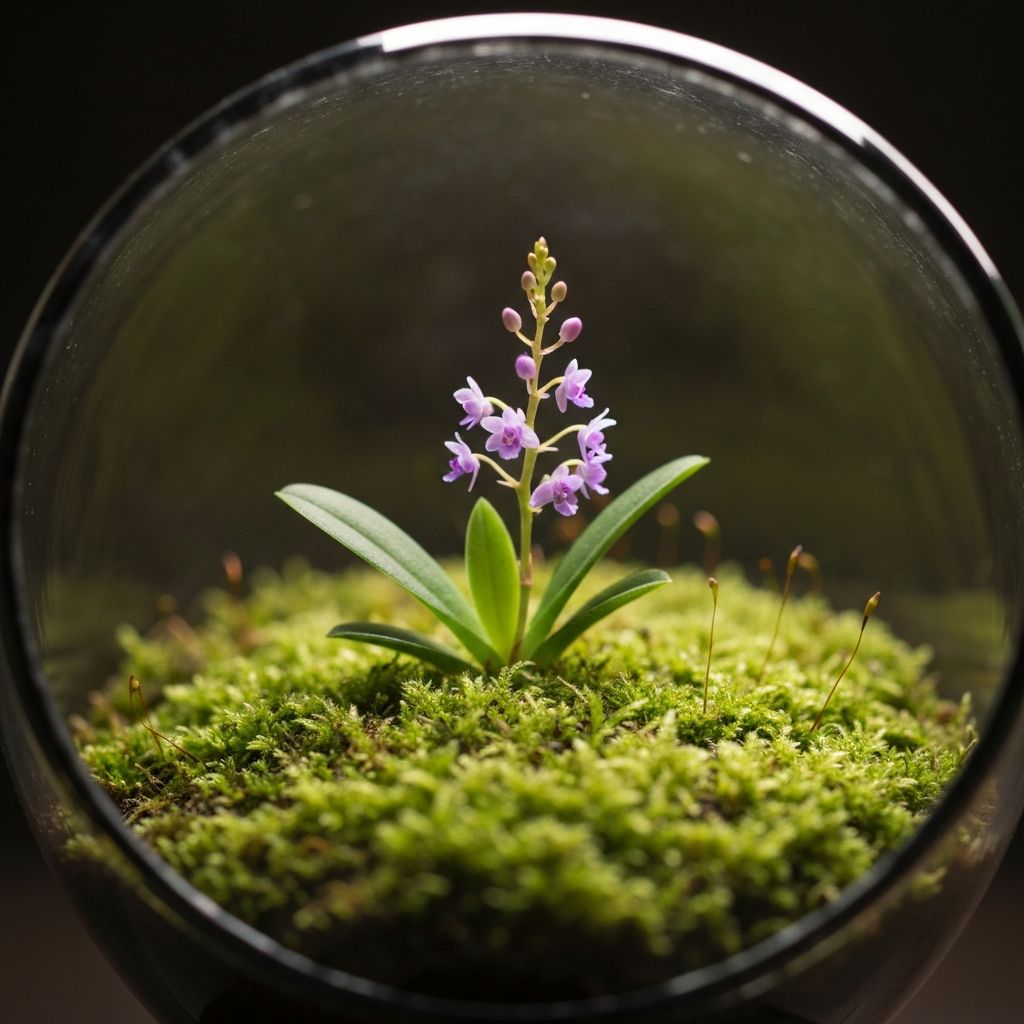
Orchids in terrariums might seem ambitious, but miniature species are surprisingly well-suited to enclosed environments. These tiny orchids evolved in humid forest conditions very similar to what terrariums provide.
Why Mini Orchids Work in Terrariums
Standard orchids like Phalaenopsis grow too large and need specific care. Miniature orchids offer:
- Compact size (many under 3 inches)
- High humidity preference (50-90%)
- Tolerance for low to medium light
- Year-round interest with periodic blooms
- Slow growth that won't overtake containers
Best Miniature Orchids for Terrariums
Lepanthes
Size: Some species under 1 inch total
Appearance: Tiny rounded leaves, jewel-like flowers
Care level: Intermediate to advanced
Why they work: Possibly the smallest orchids; perfect for tiny terrariums
Notes: Need consistent high humidity; flowers are incredibly tiny but detailed
Stelis
Size: 1-4 inches depending on species
Appearance: Small leaves, hair-like flower spikes
Care level: Beginner-friendly mini orchid
Why they work: Tolerant of conditions, bloom readily
Notes: Good starter miniature orchid for terrarium growers
Platystele
Size: Some species under 1 inch
Appearance: Grass-like leaves, tiny flowers
Care level: Intermediate
Why they work: Extremely compact, interesting form
Notes: Need high humidity but otherwise adaptable
Pleurothallis
Size: Varies greatly; many species under 4 inches
Appearance: Diverse group with varied leaf shapes
Care level: Species dependent
Why they work: Huge variety of growth forms; something for every terrarium
Notes: Research specific species; some are easier than others
Masdevallia (Mini Types)
Size: 3-6 inches for smaller species
Appearance: Triangular flowers with distinctive tails
Care level: Intermediate
Why they work: Dramatic flowers in small packages
Notes: Prefer cooler temperatures; may struggle in warm rooms
Bulbophyllum (Mini Types)
Size: Varies; many compact species
Appearance: Pseudobulbs with varied flower forms
Care level: Often easier than other mini orchids
Why they work: Diverse and interesting; some tolerate warmer temps
Notes: Some have unpleasant flower odors; research before buying
Oncidium Twinkle
Size: 6-8 inches (larger mini)
Appearance: Cascades of tiny fragrant flowers
Care level: Beginner-friendly
Why they work: Fragrant, reliable bloomer, tolerant
Notes: Needs larger terrarium; vanilla-scented blooms
Terrarium Setup for Orchids
Container Requirements
Orchid terrariums need:
- Good height (most mini orchids are upright)
- Ventilation capability (orchids need air movement)
- Clear glass for light penetration
- Wide enough opening for mounting maintenance
Consider containers that allow partial ventilation or can be opened regularly.
Substrate Options
Unlike typical terrarium plants, orchids shouldn't be planted in soil.
Mounting options:
- Cork bark pieces (natural and attractive)
- Tree fern plaques
- Driftwood branches
- Ghost wood
Potted options:
- Sphagnum moss (pure)
- Fine orchid bark
- LECA/clay pebbles
- Net pots with moss
Creating Orchid Displays
Mounted approach:
- Attach orchid roots to bark or wood using sphagnum moss
- Secure with fishing line or orchid clips
- Position mount in terrarium at angle
- Roots grow into moss and bark over time
Potted approach:
- Use tiny net pots or thumb pots
- Fill with sphagnum moss
- Position orchid so crown is above moss
- Arrange pots among moss and decorations
Care Requirements
Light
Mini orchids generally need bright filtered light:
- More light than ferns but less than succulents
- East or west windows work well
- Supplement with grow lights if needed
- Avoid direct sun (too hot in enclosed space)
Humidity
Most mini orchids prefer 60-90% humidity. Closed terrariums maintain this naturally, but orchids also need air circulation.
Balancing humidity and airflow:
- Leave terrarium slightly open or ventilate daily
- Small computer fans provide gentle airflow
- Full seal may cause fungal issues
Watering
Water needs depend on mounting method:
Mounted orchids:
- Mist daily or every other day
- Moss should dry slightly between waterings
- Roots should be silver when dry, green when wet
Potted orchids:
- Water when moss is nearly dry
- Don't let roots sit in water
- Less frequent than mounted orchids
Temperature
Most mini orchids prefer:
- Days: 70-80°F (21-27°C)
- Nights: 55-65°F (13-18°C)
The day/night temperature drop helps trigger blooming in many species.
Fertilizing
Mini orchids need regular weak fertilizer:
- Use orchid fertilizer at 1/4 strength
- Fertilize with every other watering
- Reduce in winter
- Flush with plain water monthly
Common Challenges
Rot
Symptoms: Soft, brown tissue; quick decline
Cause: Too much moisture on leaves/crowns, poor airflow
Prevention: Improve ventilation; water roots not leaves; ensure good drainage
No Blooms
Symptoms: Healthy growth but no flowers
Cause: Insufficient light, temperature, or nutrient issues
Solution: Increase light; provide day/night temperature drop; ensure regular fertilizer
Shriveled Pseudobulbs
Symptoms: Bulb-like structures becoming wrinkled
Cause: Underwatering or root problems
Solution: Check roots; increase watering frequency if roots healthy
Fungal Issues
Symptoms: Black spots, fuzzy growth, spreading damage
Cause: Too humid with poor airflow
Solution: Increase ventilation; remove affected tissue; apply fungicide if severe
Companion Plants
Orchids pair well with:
- Moss: Traditional orchid companion; maintains humidity
- Miniature ferns: Similar conditions; complementary textures
- Small bromeliads: Share air plant characteristics
- Selaginella: Fine texture under orchid mounts
Avoid fast-growing plants that will compete for space.
Sourcing Mini Orchids
Specialty Orchid Nurseries
Best selection and healthiest plants. Many ship nationwide.
Orchid Shows and Sales
Often feature vendors with miniature species. Great for seeing plants in person.
Online Sellers
Etsy, specialized orchid forums, and orchid society sales offer rare species.
Big Box Stores
Occasionally stock Oncidium Twinkle or similar; quality varies.
Beginner Recommendations
Start with forgiving species:
- Oncidium Twinkle: Reliable, fragrant, tolerant
- Stelis species: Adapt well to terrarium conditions
- Bulbophyllum rothschildianum: Unusual but easier than most
Build experience before attempting challenging species like Lepanthes or Dracula.
Final Thoughts
Miniature orchids transform terrariums from simple plant displays into sophisticated living showcases. The challenge is real but manageable with research and attention to the specific needs that make orchids different from typical terrarium plants.
Start with one robust species. Learn its rhythms. Then expand your collection as your confidence grows. The reward is watching these remarkable plants bloom in your own miniature ecosystem.
Tags
Written by
Sarah Chen
A contributing writer at Terrarium Guide. Our team is dedicated to providing well-researched, accurate, and helpful content to our readers.
Learn more about our teamRelated Articles
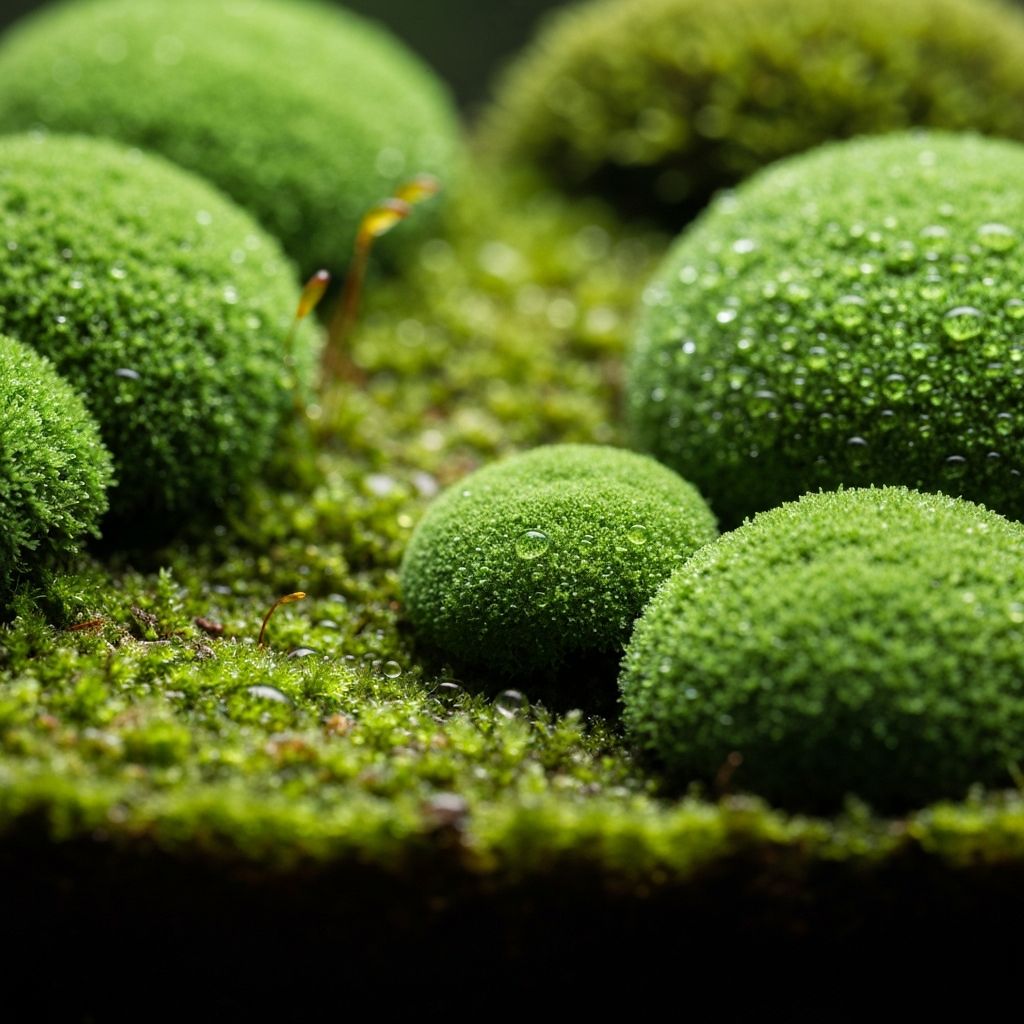
12 Best Moss Varieties for Terrariums
A complete guide to the most beautiful and easy-to-grow moss species for terrariums, including care tips, sourcing advice, and placement recommendations.
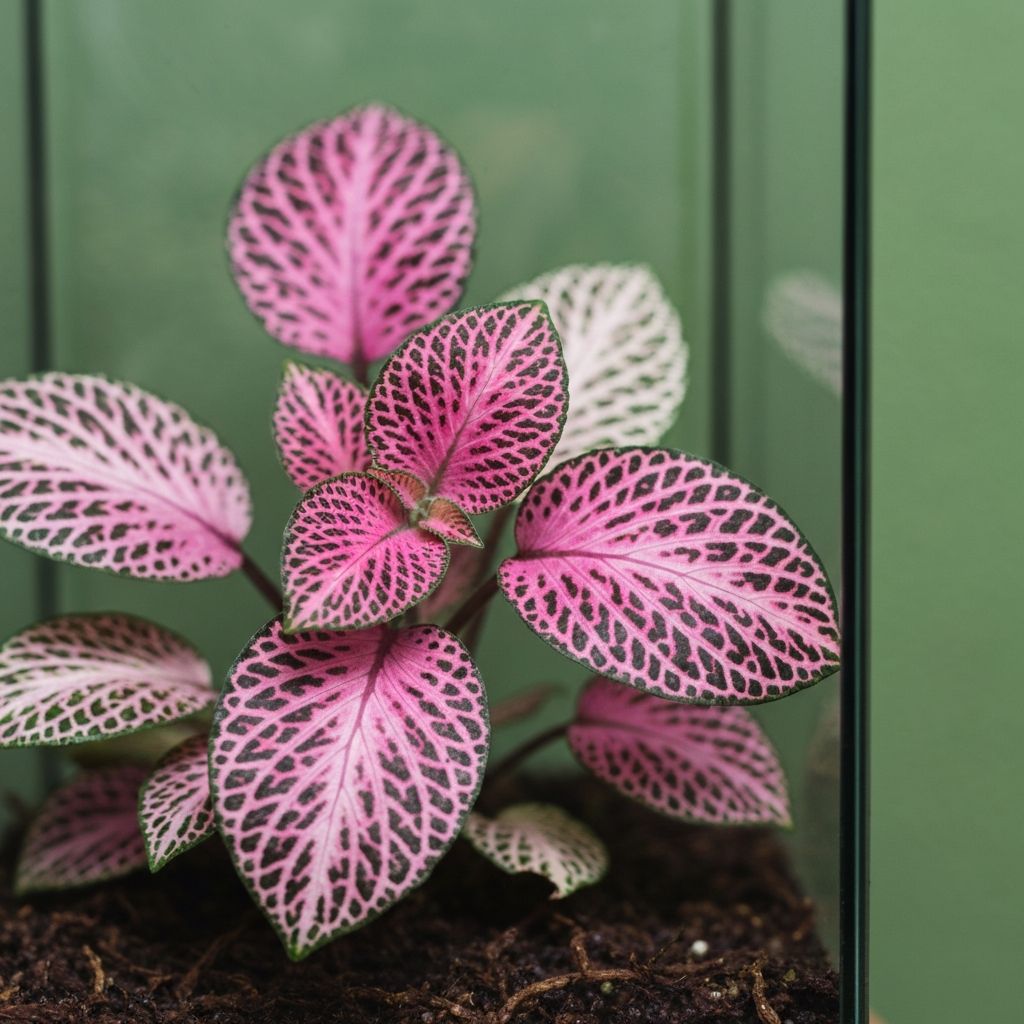
Fittonia Care Guide: Growing Nerve Plants in Terrariums
Everything you need to know about growing fittonia (nerve plants) in terrariums, including variety selection, care requirements, and troubleshooting common problems.
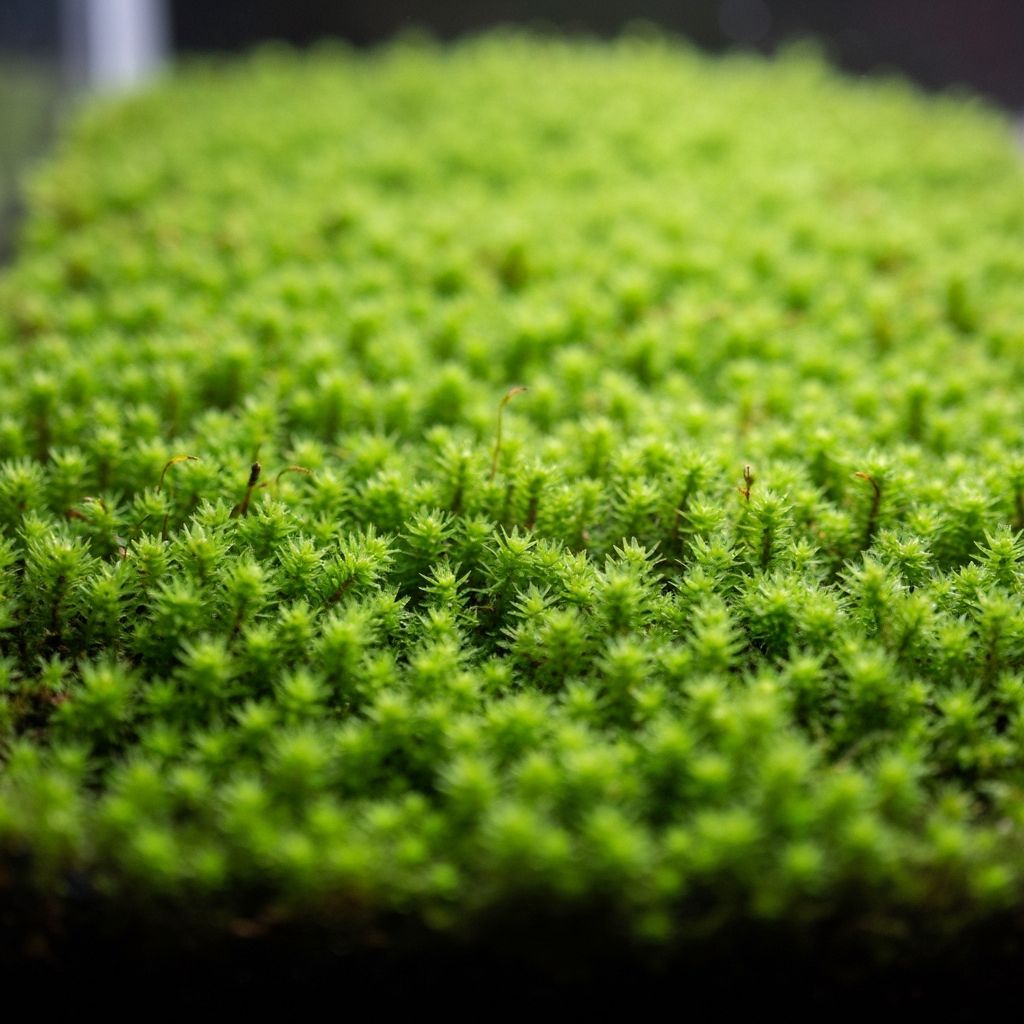
Selaginella Species: The Perfect Terrarium Ground Cover
Selaginella, or spike moss, creates lush carpets in terrariums. Learn about the best species, care requirements, and propagation techniques.