Open vs Closed Terrariums: Which One Should You Build?
Understand the key differences between open and closed terrariums, including humidity levels, plant selection, and maintenance requirements to choose the right type for your space.
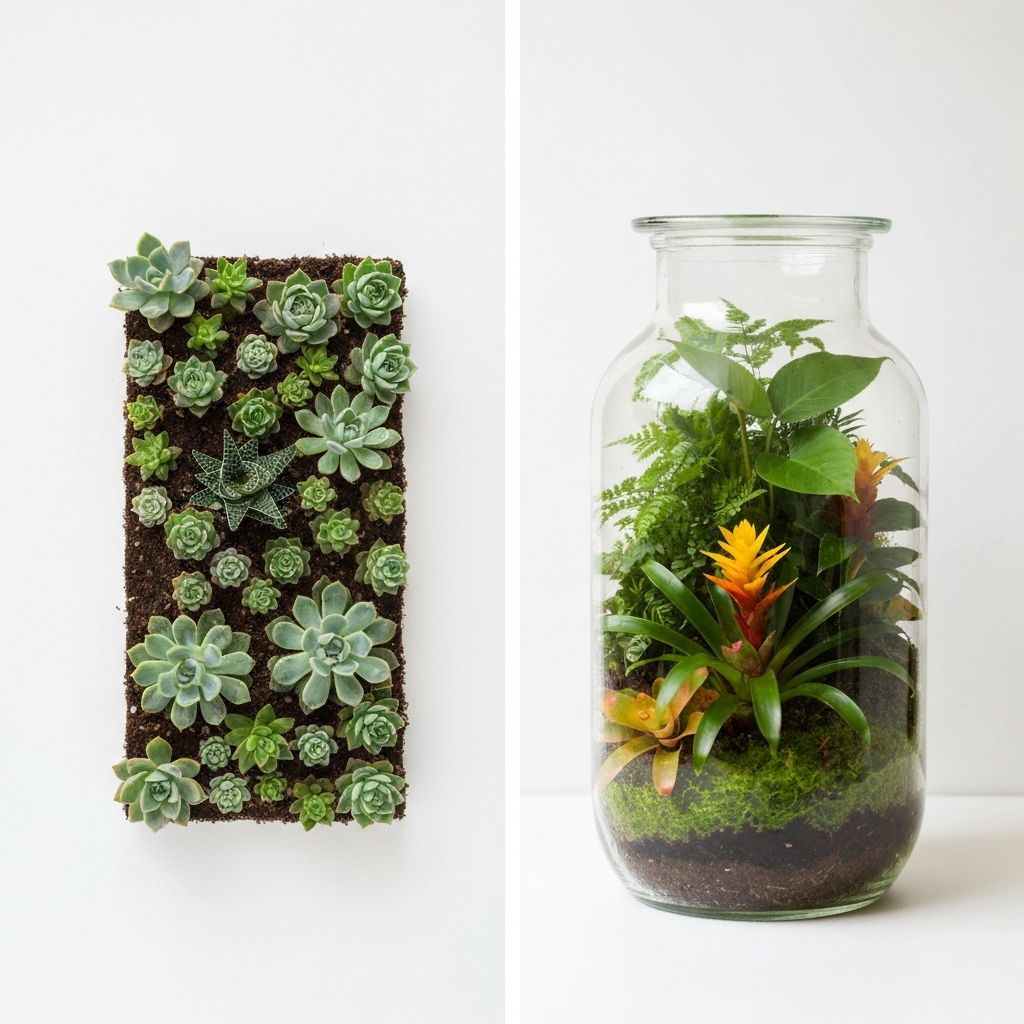
Choosing between an open and closed terrarium is the first major decision you'll make as a terrarium builder. Each type creates a fundamentally different environment, supports different plant species, and requires different care routines. Understanding these differences will help you build a terrarium that thrives in your specific conditions.
The Fundamental Difference
The distinction comes down to one thing: airflow.
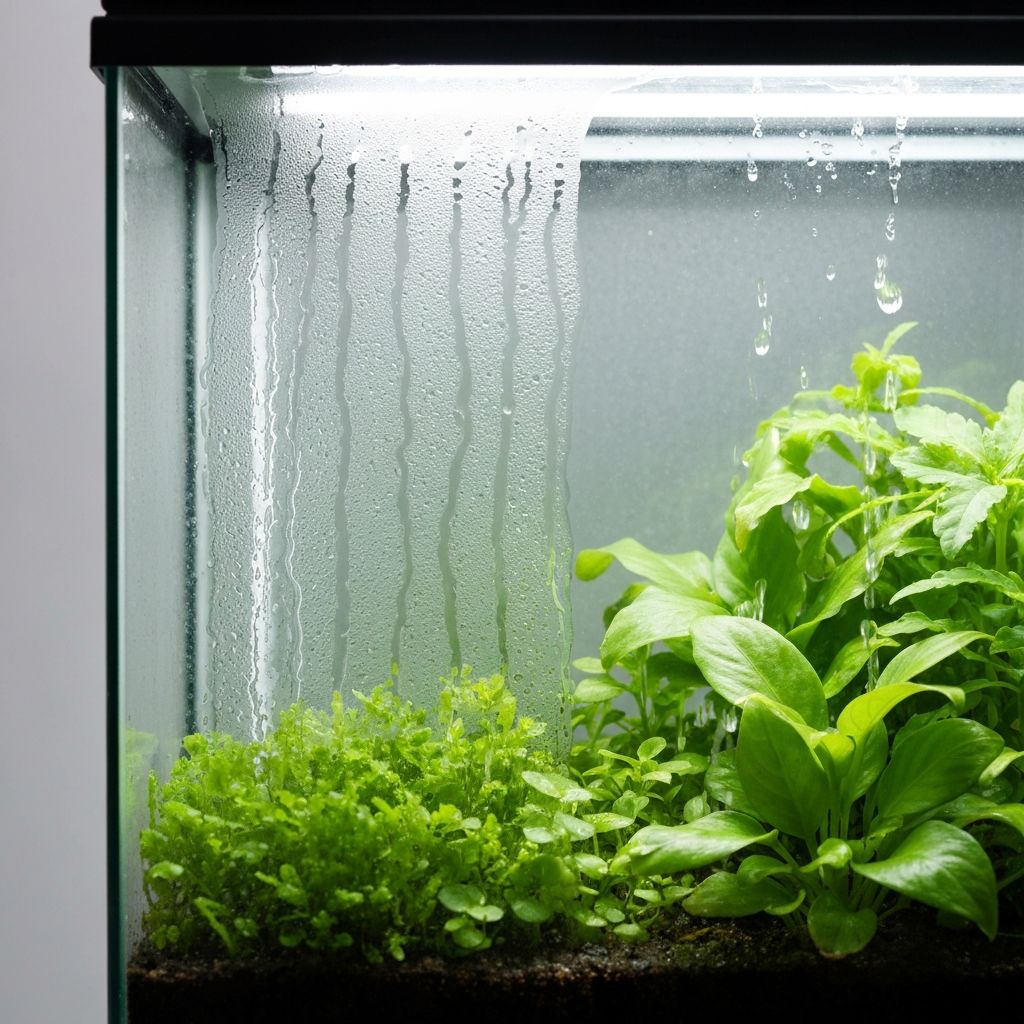
Closed terrariums are sealed environments where moisture recycles continuously. Water evaporates from soil and plants, condenses on the glass, and drips back down. This creates a self-sustaining water cycle that mimics tropical forest floors.
Open terrariums have no lid or seal, allowing air to circulate freely. Moisture escapes into the surrounding room, creating conditions similar to arid or semi-arid environments.
Humidity Levels
Closed Terrariums: 80-100% Humidity
Closed terrariums maintain consistently high humidity. Once you've added the right amount of water and sealed the container, the internal humidity stabilizes between 80-100%.
This high humidity environment is perfect for:
- Tropical plants that need constant moisture
- Moss species that would dry out in open air
- Plants with thin, delicate leaves
The challenge is that this humidity level can promote mold and bacterial growth if the terrarium isn't properly balanced.
Open Terrariums: 40-60% Humidity
Open terrariums match the humidity of your room, typically between 40-60% in most homes. This lower humidity means:
- Water evaporates and needs regular replacement
- Plants must tolerate drying between waterings
- Less risk of mold and fungal issues
Plant Selection
Best Plants for Closed Terrariums
Closed terrariums support humidity-loving tropical plants:
- Ferns: Maidenhair fern, button fern, rabbit's foot fern
- Mosses: Sheet moss, mood moss, Java moss
- Fittonia: Nerve plants in various colors
- Peperomia: Compact varieties like P. prostrata
- Selaginella: Spikemoss varieties
- Pilea: Friendship plant, aluminum plant
- Begonias: Miniature rex begonias
Avoid succulents, cacti, and any plant that needs dry conditions between waterings.
Best Plants for Open Terrariums
Open terrariums work well with drought-tolerant species:
- Succulents: Echeveria, haworthia, sedum
- Cacti: Small species like mammillaria
- Air plants: Tillandsia varieties
- Lithops: Living stones
- Crassula: Jade plant varieties
You can also grow some tropical plants in open terrariums if you're willing to mist frequently, but they'll require more attention.
Maintenance Requirements
Closed Terrarium Care
Once established, closed terrariums are remarkably low-maintenance:
- Watering: Rarely needed, maybe once every few months
- Ventilation: Open briefly if condensation completely obscures the glass
- Pruning: Trim plants that outgrow the space
- Monitoring: Watch for mold, yellowing leaves, or excessive condensation
The goal is to achieve balance. A well-balanced closed terrarium can go months without any intervention.
Open Terrarium Care
Open terrariums need regular attention:
- Watering: Every 1-2 weeks depending on plants and conditions
- Monitoring: Check soil moisture before watering
- Cleaning: Wipe dust from glass and leaves
- Pruning: Remove dead leaves promptly
The trade-off for this extra maintenance is greater flexibility in plant choices and lower risk of catastrophic failures like mold outbreaks.
Container Considerations
Closed Terrarium Containers
Look for containers with:
- Airtight lids or corks
- Wide openings for planting (at least 3 inches)
- Clear glass for light penetration
- Stable bases that won't tip
Popular options include:
- Glass jars with cork stoppers
- Apothecary jars with lids
- Wardian cases
- Converted candy jars
Open Terrarium Containers
Open terrariums offer more flexibility:
- Geometric terrariums
- Glass bowls
- Fishbowls
- Hanging glass globes
- Wide-mouth vases
The opening should be wide enough for easy planting and maintenance. Avoid containers with narrow necks that make it difficult to reach the soil.
Light Requirements
Both terrarium types need bright, indirect light. However, their responses to light differ:
Closed terrariums can overheat in direct sunlight because the sealed environment traps heat. This can cook your plants within hours. Always place closed terrariums away from direct sun.
Open terrariums with succulents can tolerate more light, including some direct morning sun. The open design allows heat to dissipate naturally.
Cost Comparison
Initial setup costs are similar for both types. The ongoing cost difference comes from:
- Soil: Open terrariums with succulents need specialized well-draining mix
- Replacement plants: Closed terrariums may need replacements if mold takes hold
- Watering tools: Open terrariums benefit from squeeze bottles or pipettes for precise watering
Neither type is significantly more expensive than the other when considered over time.
Which Should You Choose?
Choose a Closed Terrarium If:
- You want low-maintenance after initial setup
- You love the look of lush, tropical greenery
- Your home has moderate light without direct sun
- You're patient enough to achieve proper balance
- You enjoy the self-contained ecosystem concept
Choose an Open Terrarium If:
- You prefer succulents and cacti aesthetics
- You want to interact with your plants regularly
- Your home gets bright light or direct sun
- You're concerned about mold and want lower risk
- You like the flexibility to change plants easily
Starting With Both
Many terrarium enthusiasts eventually maintain both types. Starting with one of each helps you understand the different rhythms of care and discover which style suits your lifestyle and preferences.
A closed terrarium might sit on your desk, requiring almost no attention, while an open succulent terrarium on a sunny windowsill becomes part of your weekly watering routine.
Final Thoughts
Neither type is objectively better. The right choice depends on your aesthetic preferences, available light, and how much ongoing care you want to provide. Both can create beautiful miniature landscapes that bring nature into your home.
If you're genuinely undecided, start with a closed terrarium. The self-sustaining nature makes it more forgiving of neglect, giving you time to learn before committing to the regular care schedule that open terrariums require.
Tags
Written by
Sarah Chen
A contributing writer at Terrarium Guide. Our team is dedicated to providing well-researched, accurate, and helpful content to our readers.
Learn more about our teamRelated Articles
How to Build Your First Closed Terrarium: A Complete Beginner Guide
Learn everything you need to create a self-sustaining closed terrarium. This step-by-step guide covers container selection, soil layers, plant choices, and maintenance tips for beginners.
Understanding the Terrarium Water Cycle
Learn how closed terrariums create self-sustaining water cycles, how to balance humidity, and troubleshoot common moisture problems.
Terrarium Soil Layers Explained: The Complete Guide
Learn the purpose of each terrarium substrate layer, from drainage rocks to activated charcoal to soil, and how to build a foundation that keeps plants healthy.