Terrarium Soil Layers Explained: The Complete Guide
Learn the purpose of each terrarium substrate layer, from drainage rocks to activated charcoal to soil, and how to build a foundation that keeps plants healthy.
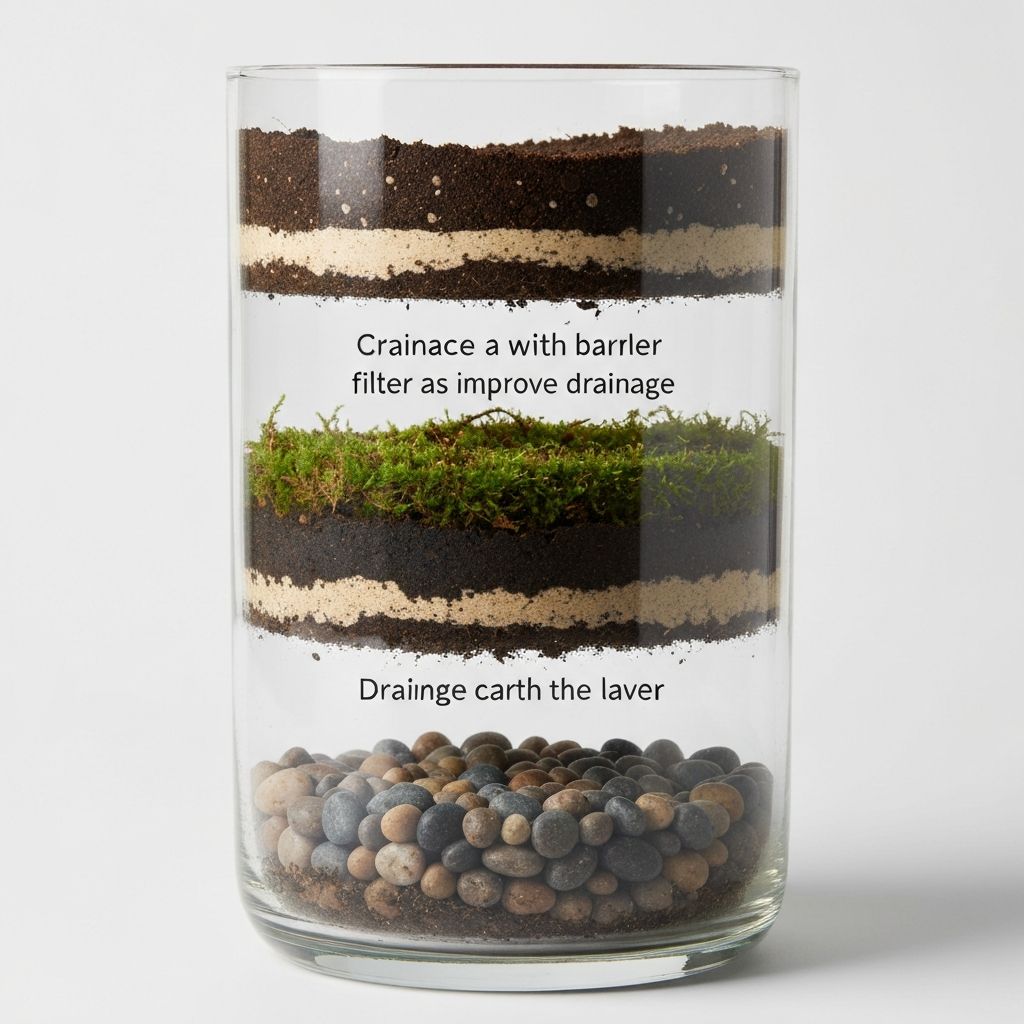
The layers beneath your terrarium plants are just as important as the plants themselves. A proper substrate system manages water, prevents root rot, filters toxins, and provides nutrients. Skip or shortcut these layers, and your terrarium will struggle.
Why Layers Matter
In nature, soil exists in distinct horizons, each serving a purpose. Terrarium layers mimic this natural stratification in a compressed space. Without proper drainage, water pools at the bottom, roots rot, and anaerobic bacteria produce foul odors.
The layering system creates vertical drainage that moves excess water away from roots while maintaining moisture in the growing medium.
The Four Essential Layers
From bottom to top, a standard terrarium includes:
- Drainage layer (gravel or LECA)
- Separation layer (mesh or moss)
- Filtration layer (activated charcoal)
- Growing medium (soil mix)
Some builds add additional layers for aesthetics or specific plant needs, but these four form the foundation.
Layer 1: Drainage
Purpose
The drainage layer creates a reservoir for excess water. When you water your terrarium, gravity pulls moisture down through the soil. Without a drainage layer, this water would saturate the bottom of the soil, drowning roots.
The drainage layer holds this excess water away from soil contact, allowing it to evaporate back up through the system over time.
Materials
Pea gravel: Inexpensive, widely available, natural appearance. Use pieces 1/4 to 1/2 inch in diameter.
LECA (Lightweight Expanded Clay Aggregate): Porous clay balls that absorb and release moisture. More expensive but better moisture regulation.
Horticultural charcoal pieces: Can double as drainage and filtration, though less effective for drainage alone.
Decorative stones: River rocks or polished stones work but cost more than functional alternatives.
Depth
- Small terrariums (under 1 quart): 1/2 to 1 inch
- Medium terrariums (1-3 quarts): 1 to 2 inches
- Large terrariums (over 3 quarts): 2 to 3 inches
The drainage layer should be approximately 1/4 to 1/3 of your total substrate depth.
Installation Tips
- Rinse materials before use to remove dust
- Create an even layer (slope only if intentional for design)
- Don't pack tightly; air gaps are essential
Layer 2: Separation
Purpose
The separation layer prevents soil from washing down into the drainage layer over time. Without it, soil particles migrate downward, eventually filling the air gaps in your gravel and defeating the purpose of drainage.
Materials
Sphagnum moss: The most popular choice. Natural appearance, holds some moisture, decomposes very slowly.
Landscape fabric: Synthetic but effective. Cut to fit and it will last indefinitely.
Fiberglass mesh: Similar to landscape fabric but thinner. Used for window screens.
Sheet moss: Living moss can work but may grow into other layers.
Depth
This layer doesn't need depth, just coverage. A single layer of material that fully covers the drainage layer is sufficient. For sphagnum moss, this means about 1/4 to 1/2 inch of loosely packed material.
Installation Tips
- Ensure complete coverage with no gaps
- Extend slightly up the sides of the container
- Dampen sphagnum moss before placing for easier handling
Layer 3: Filtration
Purpose
Activated charcoal filters water as it moves through the system. It absorbs impurities, prevents odors from anaerobic bacteria, and helps maintain chemical balance in the enclosed environment.
Some terrarium builders consider this layer optional, but it becomes essential in sealed terrariums where you can't easily address odor or water quality issues.
Materials
Horticultural activated charcoal: Specifically processed for plant use. Available in chunks or granules.
Aquarium activated carbon: Essentially the same product, sometimes cheaper at pet stores.
Avoid:
- BBQ charcoal (contains additives)
- Art charcoal (not activated)
- Regular fireplace charcoal (impurities)
Depth
A thin layer is sufficient: 1/4 to 1/2 inch for most terrariums. The charcoal doesn't need depth to work; it just needs contact with water moving through the system.
Installation Tips
- Rinse charcoal briefly to remove dust
- Spread evenly over the separation layer
- Don't worry about occasional gaps
Layer 4: Growing Medium
Purpose
The growing medium anchors plant roots and provides nutrients. It also regulates moisture, releasing water to roots as needed while allowing excess to drain.
Standard Terrarium Soil Mix
For tropical closed terrariums, mix:
- 2 parts potting soil (peat or coco coir based)
- 1 part perlite (for drainage)
- 1 part orchid bark or horticultural charcoal (for structure)
This creates a light, well-draining mix that retains moisture without waterlogging.
Specialized Mixes
For succulents (open terrariums):
- 1 part potting soil
- 2 parts coarse sand
- 1 part perlite
For moss-focused terrariums:
- Pure sphagnum moss
- Or very thin layer of standard mix
For carnivorous plants:
- Pure sphagnum moss or peat
- No fertilizers (these plants are sensitive)
Depth
Soil depth depends on plant root systems:
- Moss only: 1/2 to 1 inch
- Small tropical plants: 1 to 2 inches
- Larger ferns or plants: 2 to 4 inches
Installation Tips
- Dampen soil before adding (not soaking wet)
- Create variation in depth for visual interest
- Leave room for plants and decorations
- Don't compact excessively; roots need air
Optional Additional Layers
Decorative Top Layer
Many terrarium builders add a decorative layer over the soil:
- Preserved moss
- Small pebbles
- Crushed stone
- Sand (for desert scenes)
This layer serves aesthetics but also helps retain moisture and prevents soil splash during watering.
Springtail/Isopod Layer
For bioactive terrariums, some builders create a habitat layer beneath the soil using:
- Leaf litter
- Bark pieces
- Additional sphagnum moss
This supports beneficial cleanup crews that consume dead plant matter and mold.
Common Layering Mistakes
Skipping the Separation Layer
Without separation, your drainage layer will fill with soil within months. The terrarium may work initially but will develop drainage problems over time.
Using Too Much Charcoal
A thick charcoal layer is unnecessary and takes space from more useful layers. Thin and even beats thick and clumpy.
Wrong Soil for Plant Type
Using tropical soil mix for succulents leads to root rot. Using cactus mix for ferns leads to dehydration. Match your soil to your plants.
Compacting Soil Too Much
Roots need oxygen. Tightly packed soil restricts root growth and reduces drainage. Soil should be lightly pressed, not compressed.
Calculating Layer Amounts
For a container with 6 inches of usable depth:
| Layer | Percentage | Depth | |-------|-----------|-------| | Drainage | 25% | 1.5 inches | | Separation | 5% | 0.25 inches | | Charcoal | 5% | 0.25 inches | | Soil | 50% | 3 inches | | Planting space | 15% | 1 inch |
Adjust proportions based on plant needs and container shape.
Preparing Layers in Advance
Before building your terrarium, prepare all layers:
- Rinse drainage material
- Dampen sphagnum moss
- Rinse activated charcoal
- Mix and moisten soil
Having everything ready makes assembly smoother and helps you gauge proportions before committing materials to the container.
Maintaining Layers Over Time
Once established, terrarium layers require minimal maintenance. However:
- If odor develops, the charcoal may be saturated; consider rebuilding
- If drainage seems slow, check that separation layer hasn't decomposed
- Every 2-3 years, some terrariums benefit from complete substrate replacement
Final Thoughts
Proper layering is invisible work. When done right, no one notices the substrate; they only see healthy plants. When done wrong, problems emerge that can't be fixed without tearing everything out.
Take time to build your foundation correctly. The 30 extra minutes spent on proper layers will save hours of troubleshooting later.
Tags
Written by
Sarah Chen
A contributing writer at Terrarium Guide. Our team is dedicated to providing well-researched, accurate, and helpful content to our readers.
Learn more about our teamRelated Articles
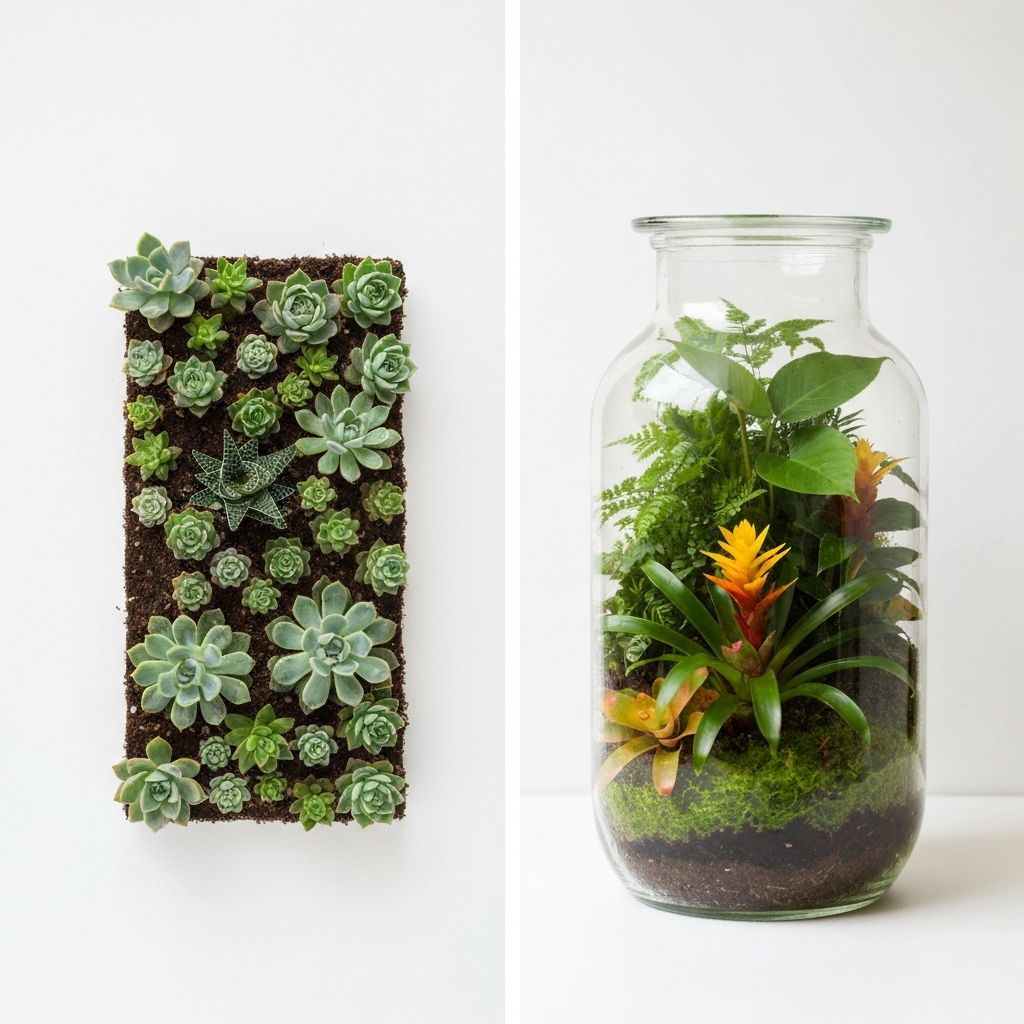
Open vs Closed Terrariums: Which One Should You Build?
Understand the key differences between open and closed terrariums, including humidity levels, plant selection, and maintenance requirements to choose the right type for your space.

How to Build Your First Closed Terrarium: A Complete Beginner Guide
Learn everything you need to create a self-sustaining closed terrarium. This step-by-step guide covers container selection, soil layers, plant choices, and maintenance tips for beginners.
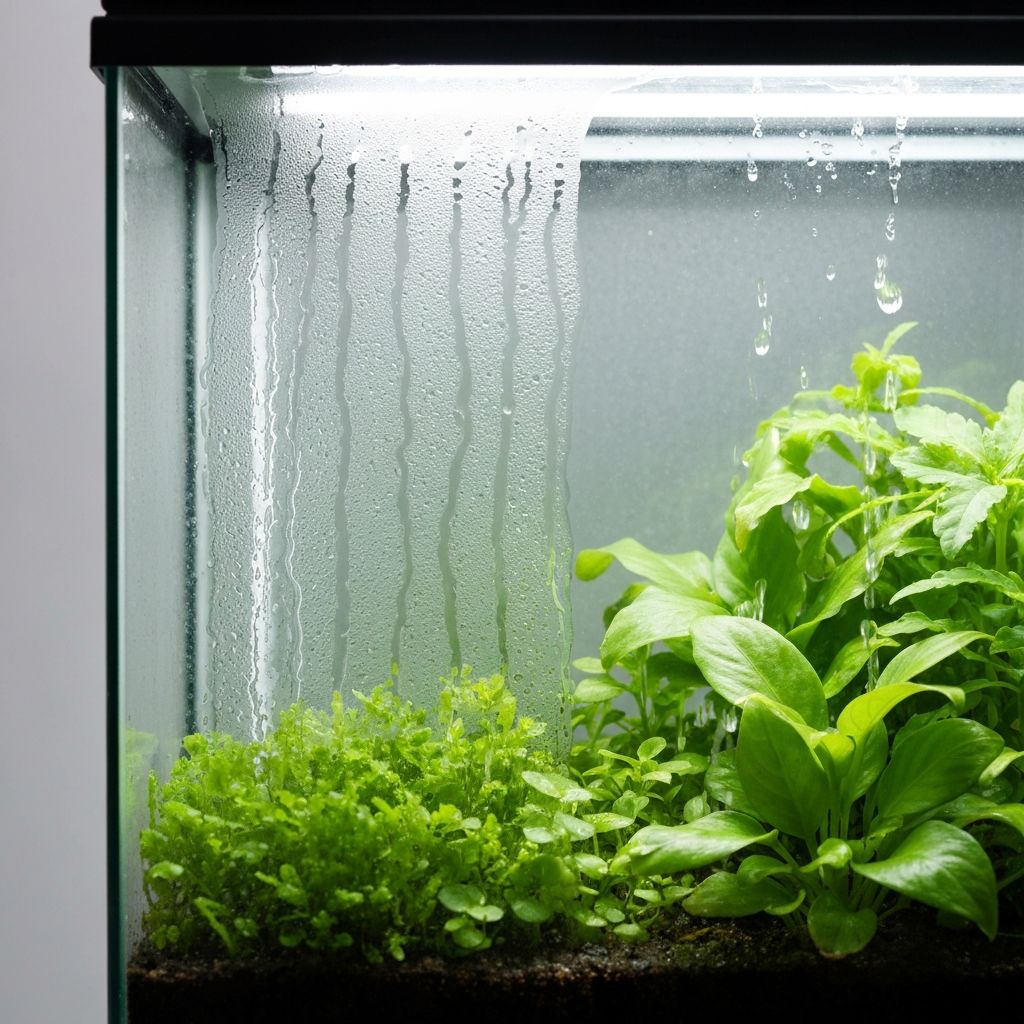
Understanding the Terrarium Water Cycle
Learn how closed terrariums create self-sustaining water cycles, how to balance humidity, and troubleshoot common moisture problems.