Understanding the Terrarium Water Cycle
Learn how closed terrariums create self-sustaining water cycles, how to balance humidity, and troubleshoot common moisture problems.
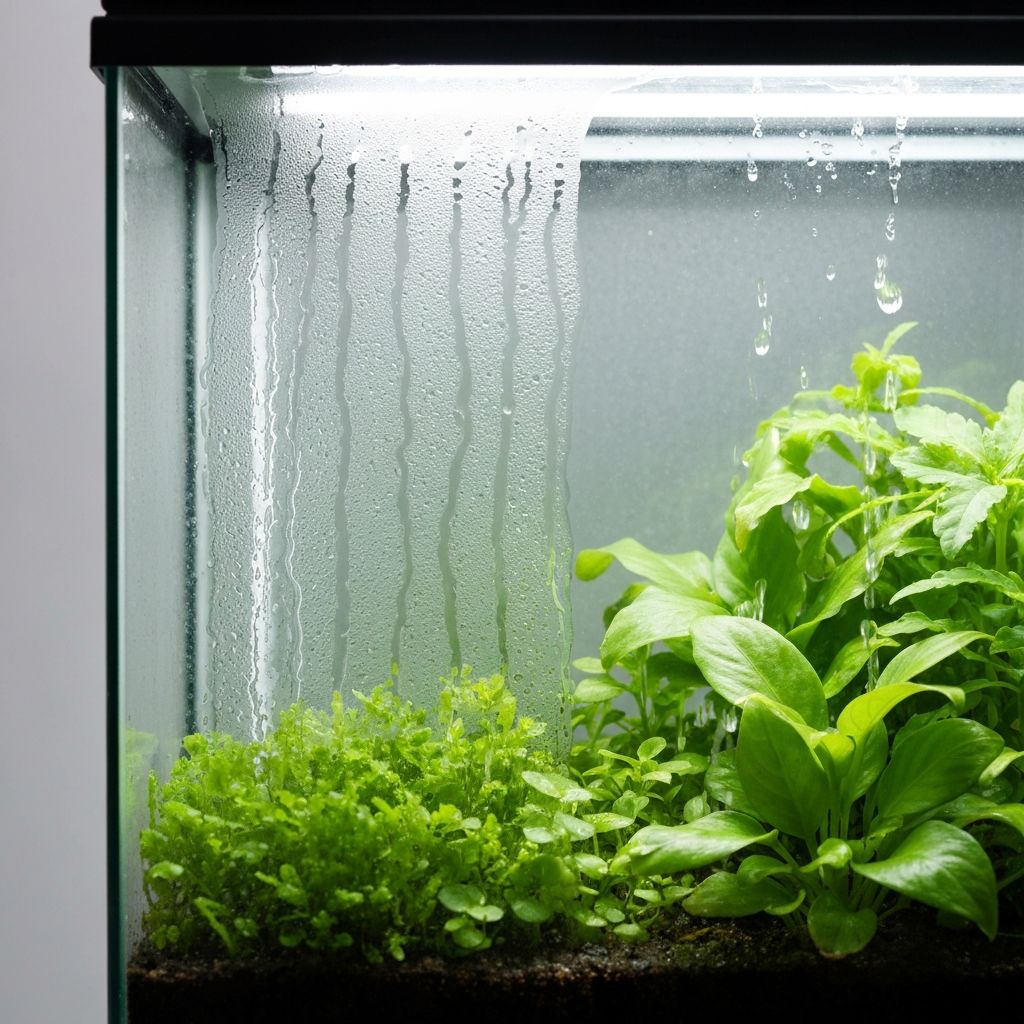
A closed terrarium is essentially a miniature water cycle in a jar. Understanding how this cycle works is fundamental to terrarium success. When balanced correctly, you may never need to water your terrarium again.
How the Water Cycle Works
The Basic Process
The terrarium water cycle mirrors Earth's natural water cycle:
- Evaporation - Water evaporates from soil and plant surfaces
- Transpiration - Plants release water vapor through their leaves
- Condensation - Water vapor hits the cool glass and forms droplets
- Precipitation - Droplets run down the glass and return to soil
This cycle repeats continuously, recycling the same water indefinitely.
Energy Source
The cycle is powered by temperature differentials:
- Light warms the terrarium interior
- Warmth increases evaporation
- Glass surface stays cooler than interior air
- Temperature difference drives condensation
Without light (and therefore heat), the cycle slows dramatically.
Signs of a Balanced Water Cycle
Healthy Indicators
A well-balanced terrarium shows:
- Light morning condensation that clears by afternoon
- Moist but not waterlogged soil
- Plants with firm, turgid leaves
- No standing water in the base
- Clear glass most of the day
The Condensation Sweet Spot
Aim for condensation covering 25-50% of the glass in the morning. This indicates:
- Adequate moisture in the system
- Proper temperature cycling
- Active transpiration from plants
- Good air circulation
Too Much Water
Excess moisture is the most common terrarium problem.
Signs of Overwatering
- Constant heavy condensation (covering 75%+ of glass)
- Foggy glass that never clears
- Visible water pooling at the bottom
- Mold or fungal growth
- Yellowing or rotting plants
- Musty smell when opened
How to Reduce Moisture
Immediate actions:
- Remove the lid completely for 24-48 hours
- Wipe condensation from glass with paper towel
- Use paper towels to absorb pooled water
- Check that drainage layer is not submerged
Ongoing adjustments:
- Leave lid slightly cracked
- Reduce misting frequency
- Move to brighter location (increases evaporation)
- Remove excess plant material
Recovery Timeline
After correcting overwatering:
- Day 1-2: Glass should start clearing
- Day 3-5: Soil surface begins drying
- Week 2: Normal condensation pattern establishes
- Week 3-4: Plants show new growth if recovered
Too Little Water
While less common in closed terrariums, insufficient moisture does occur.
Signs of Underwatering
- No condensation, even in morning
- Soil pulling away from glass edges
- Wilting or crispy plant leaves
- Moss turning brown and dry
- Slow or stopped plant growth
How to Add Moisture
For minor dryness:
- Mist the interior walls (not directly on plants)
- Add 1-2 tablespoons of water
- Seal and observe for 24 hours
- Repeat if needed
For severe dryness:
- Remove plants if critically wilted
- Thoroughly moisten substrate
- Let excess drain before replacing plants
- Mist interior and seal
- Monitor closely for one week
Prevention
- Ensure adequate initial watering during setup
- Check seal integrity (lids, corks, stoppers)
- Avoid placement near heating vents
- Do not leave open for extended periods
Factors Affecting the Water Cycle
Light Intensity
More light equals more evaporation:
- Bright indirect light: Active cycling
- Low light: Slower cycling, less condensation
- Direct sun: Excessive heat, can cook plants
Temperature
Temperature affects evaporation rate:
- 70-75°F: Ideal cycling rate
- Below 65°F: Sluggish cycle, persistent condensation
- Above 80°F: Rapid evaporation, stress on plants
Plant Density
More plants means more transpiration:
- Dense planting: Higher humidity, more condensation
- Sparse planting: Lower humidity, drier conditions
- Balance based on container size
Container Shape
Shape affects condensation patterns:
- Spherical jars: Even condensation distribution
- Tall cylinders: More condensation on sides
- Wide bowls: Condensation pools at edges
- Complex shapes: Uneven moisture zones
Seasonal Adjustments
Summer
- Higher temperatures increase evaporation
- May need to vent more frequently
- Watch for excessive condensation
- Move away from windows if overheating
Winter
- Heating systems dry indoor air
- Cycle may slow in cooler rooms
- Check seals more carefully
- Occasional misting may be needed
Troubleshooting Specific Issues
Condensation Only on One Side
Cause: Uneven lighting or temperature
Solution:
- Rotate terrarium weekly
- Move away from heat sources
- Ensure even light exposure
Condensation at Bottom Only
Cause: Substrate too wet, drainage layer saturated
Solution:
- Open lid and allow drying
- Tilt to drain excess from rocks
- May need to rebuild with better drainage
No Condensation After Sealing
Cause: Insufficient initial moisture
Solution:
- Add water in small amounts (tablespoons)
- Mist interior surfaces
- Wait 24 hours between additions
Foggy Glass That Never Clears
Cause: Excessive moisture, poor air circulation
Solution:
- Open lid during warmest part of day
- Wipe interior glass
- Remove decomposing plant material
- Check for adequate drainage layer
The First Month
New terrariums need time to establish their water cycle:
Week 1:
- Heavy condensation is normal
- Open lid daily for 30-60 minutes
- Observe patterns without intervention
Week 2:
- Condensation should start stabilizing
- Reduce venting to every other day
- Make minor moisture adjustments if needed
Week 3:
- Cycle should be establishing
- Vent only if heavily condensed
- Plants should show signs of settling in
Week 4:
- Aim for stable conditions
- Minimal intervention needed
- Document your baseline for future reference
Long-Term Maintenance
Once established, a balanced terrarium needs little attention:
- Check weekly for condensation patterns
- Vent briefly if consistently over-condensed
- Add tiny amounts of water if chronically dry
- Clean glass interior annually if needed
The goal is a self-sustaining system that requires intervention only occasionally. Many successful terrariums go years without any added water.
Conclusion
The water cycle is the heart of a closed terrarium. Understanding this cycle transforms terrarium keeping from guesswork to science. Start by observing your terrarium daily, noting condensation patterns at different times. Within a month, you will develop an intuition for your terrarium's needs. The most successful terrarium keepers are patient observers who make small, infrequent adjustments rather than dramatic interventions.
Tags
Written by
Sarah Chen
A contributing writer at Terrarium Guide. Our team is dedicated to providing well-researched, accurate, and helpful content to our readers.
Learn more about our teamRelated Articles
Open vs Closed Terrariums: Which One Should You Build?
Understand the key differences between open and closed terrariums, including humidity levels, plant selection, and maintenance requirements to choose the right type for your space.
How to Build Your First Closed Terrarium: A Complete Beginner Guide
Learn everything you need to create a self-sustaining closed terrarium. This step-by-step guide covers container selection, soil layers, plant choices, and maintenance tips for beginners.
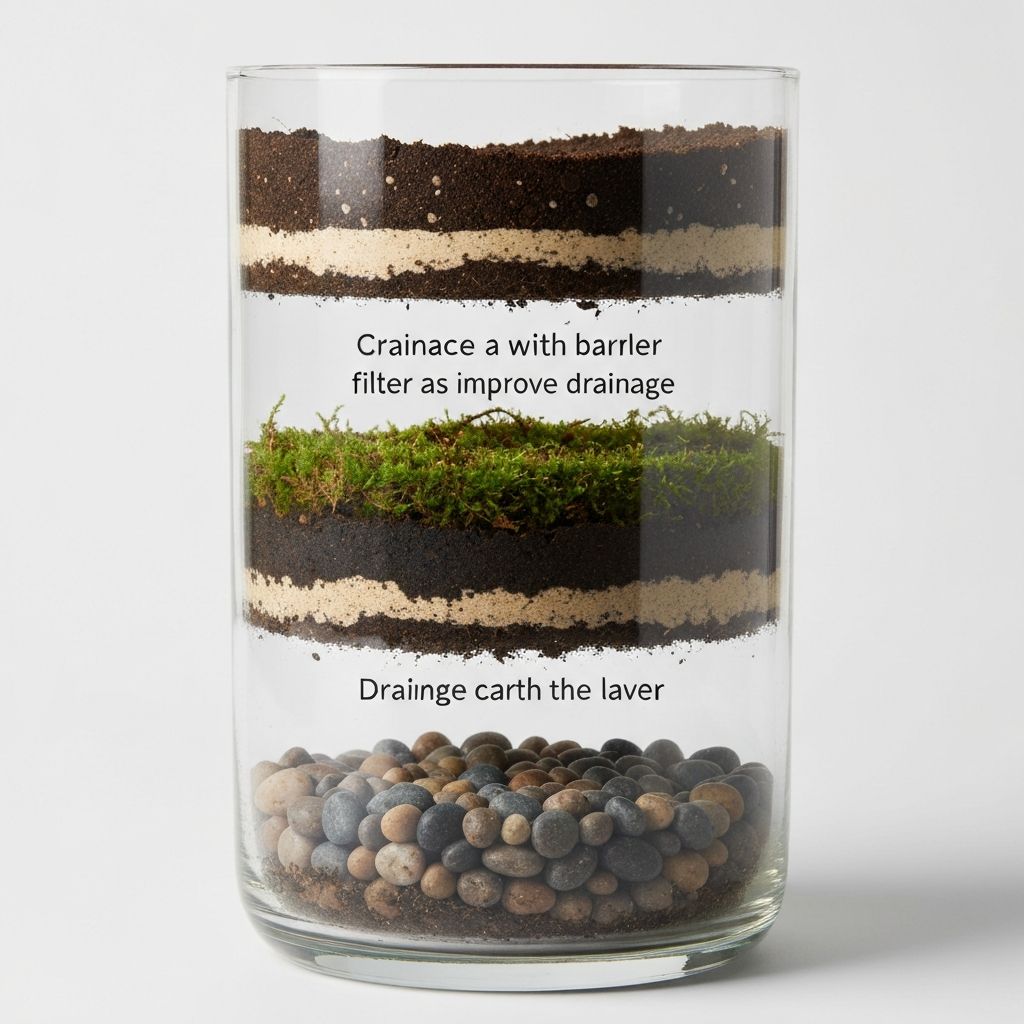
Terrarium Soil Layers Explained: The Complete Guide
Learn the purpose of each terrarium substrate layer, from drainage rocks to activated charcoal to soil, and how to build a foundation that keeps plants healthy.