Essential Terrarium Tools for Beginners
A practical guide to the tools you actually need for building and maintaining terrariums, from must-haves to nice-to-haves.
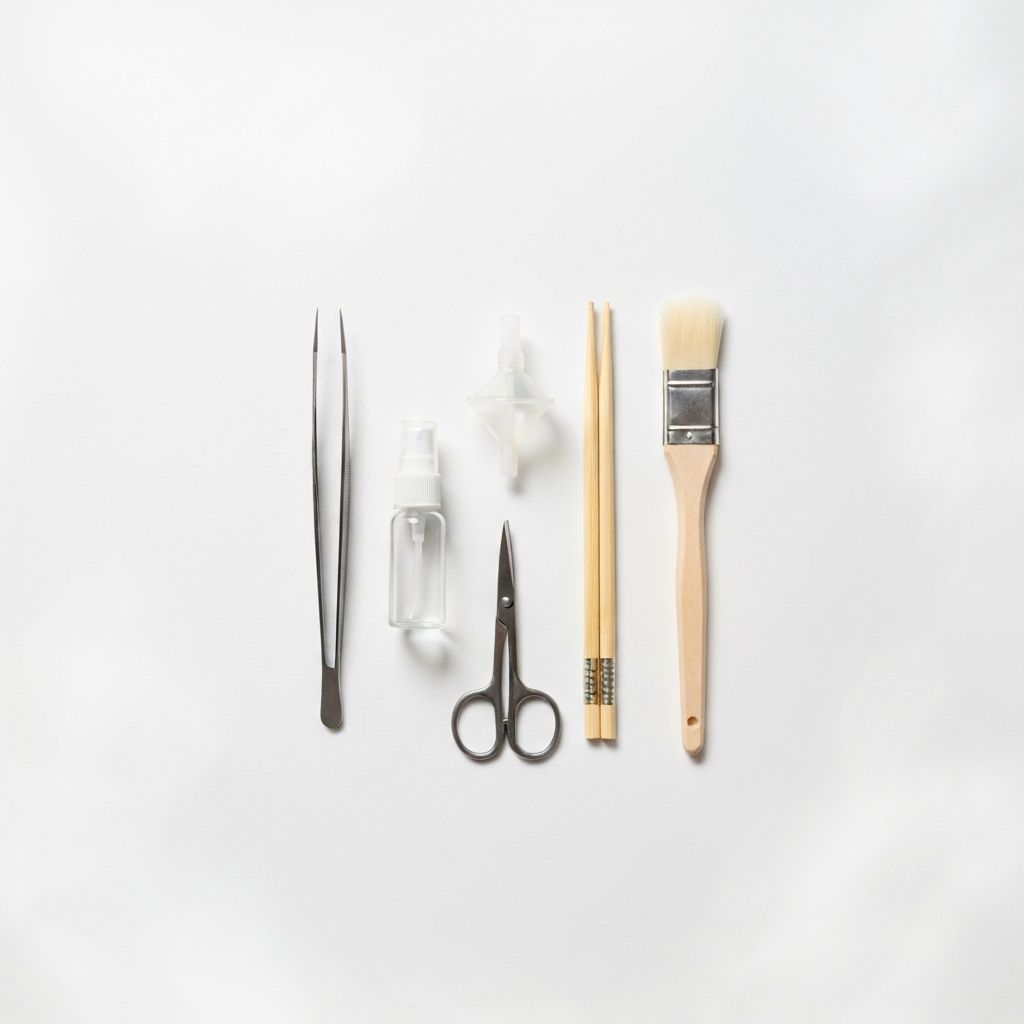
You don't need expensive specialty tools to build beautiful terrariums. Most tasks can be accomplished with household items. This guide separates essential tools from optional upgrades.
Must-Have Tools
Long Tweezers or Chopsticks
Purpose: Planting and positioning in narrow containers
Options:
- Aquarium tweezers (10-12 inches): Best option
- Long craft tweezers: Adequate
- Chopsticks: Free and effective
What to look for: Length to reach bottom of containers, grip that won't slip
Small Brush
Purpose: Cleaning soil from plants and glass
Options:
- Soft paintbrush (1-2 inch): Ideal
- Makeup brush: Works well
- Old toothbrush: Good for scrubbing
What to look for: Soft bristles for leaves, firmer for glass
Spray Bottle
Purpose: Misting and watering
Options:
- Fine mist spray bottle: Best control
- Trigger sprayer: Adequate
- Repurposed cleaning bottle: Free (clean thoroughly first)
What to look for: Fine mist setting, reliable pump
Scissors or Pruning Snips
Purpose: Trimming plants and roots
Options:
- Small sharp scissors: Usually sufficient
- Bonsai scissors: Better precision
- Cuticle scissors: Good for tight spaces
What to look for: Sharp, clean blades; comfortable grip
Spoon
Purpose: Scooping and placing substrate
Options:
- Long-handled spoon: Best reach
- Regular tablespoon: Works for most containers
- Plastic spoon: Disposable option
What to look for: Size appropriate for container opening
Nice-to-Have Tools
Funnel
Purpose: Directing substrate without mess
How it helps: Keeps glass clean, precision placement
DIY option: Roll paper into cone shape
Cork or Wooden Tamper
Purpose: Compacting substrate layers
How it helps: Creates flat layers, removes air pockets
DIY option: Cork on a chopstick, wine cork
Squeeze Bottle
Purpose: Precise watering
How it helps: Water soil without splashing, target specific areas
DIY option: Clean condiment bottle
Long Scissors or Forceps
Purpose: Pruning in deep containers
How it helps: Reaches plants your hands can't
Worth buying for: Large or bottle terrariums
LED Flashlight
Purpose: Inspecting containers and checking for pests
How it helps: See into shadows, spot problems early
Alternative: Phone flashlight works
Optional Upgrades
Terrarium Tool Kit
Pre-assembled kits include multiple tools:
- Long tweezers
- Long scissors
- Rakes and scoops
- Brushes
Worth it if: You plan to build multiple terrariums
Skip if: You're making one terrarium; household items suffice
Moisture Meter
Purpose: Measuring soil moisture
How it helps: Takes guessing out of watering
Reality check: Experienced builders use finger test; meters can be inaccurate in small volumes
Magnifying Glass
Purpose: Inspecting plants for pests and health
How it helps: See mites, scale, and other tiny problems
Alternative: Phone camera zoom
Plant Labels
Purpose: Identifying plants
How it helps: Remember what you planted; track what works
Reality check: Most terrarium builders don't label; photos serve same purpose
DIY Tool Solutions
Paper Funnel
- Roll paper into cone
- Tape to secure
- Dispose after use
Chopstick Tamper
- Tape wine cork to end of chopstick
- Use flat end to press substrate
- Works as well as commercial versions
Paper Towel Cleaning Wand
- Wrap damp paper towel around chopstick
- Secure with rubber band
- Clean glass interior
Straw Watering Tool
- Fill straw with water
- Cover top with finger
- Release water precisely where needed
Caring for Your Tools
Cleaning
- Wipe tools after each use
- Sterilize scissors between plants with rubbing alcohol
- Wash brushes when switching between terrariums
Storage
- Keep tools together in a container
- Store scissors closed to protect blades
- Hang long tools to prevent bending
Replacement Signs
- Scissors no longer cut cleanly
- Tweezers don't grip
- Spray bottles clog repeatedly
Building a Starter Kit
Budget Kit ($15 or less)
Gather from home or dollar stores:
- Chopsticks (free)
- Paintbrush (dollar store)
- Small scissors (home)
- Spray bottle (dollar store)
- Spoon (kitchen)
Recommended Kit ($25-40)
Better tools for easier building:
- 10" aquarium tweezers
- Fine mist spray bottle
- Pointed scissors or bonsai snips
- Soft paintbrush
- Long-handled spoon
- Squeeze bottle
Premium Kit ($60+)
For serious hobbyists:
- Quality terrarium tool set
- Extra-long tools for bottles
- Professional pruning scissors
- LED light for inspection
- Storage case
Tool Tips by Container Type
Wide-Mouth Containers
Use any tools; hands work for most tasks
Narrow-Neck Containers
Need long tools; invest in quality tweezers and scissors
Bottle Terrariums
Specialized tools essential; patience required
Large Terrariums
Can use regular gardening tools in addition to terrarium tools
Final Thoughts
Start simple. A pair of chopsticks, scissors, and a spray bottle can build perfectly good terrariums. As you discover your style and preferred container types, add tools that make your specific challenges easier.
The tools don't make the terrarium. Your plant selection, care, and patience matter far more than whether your tweezers cost $5 or $25.
Tags
Written by
Sarah Chen
A contributing writer at Terrarium Guide. Our team is dedicated to providing well-researched, accurate, and helpful content to our readers.
Learn more about our teamRelated Articles
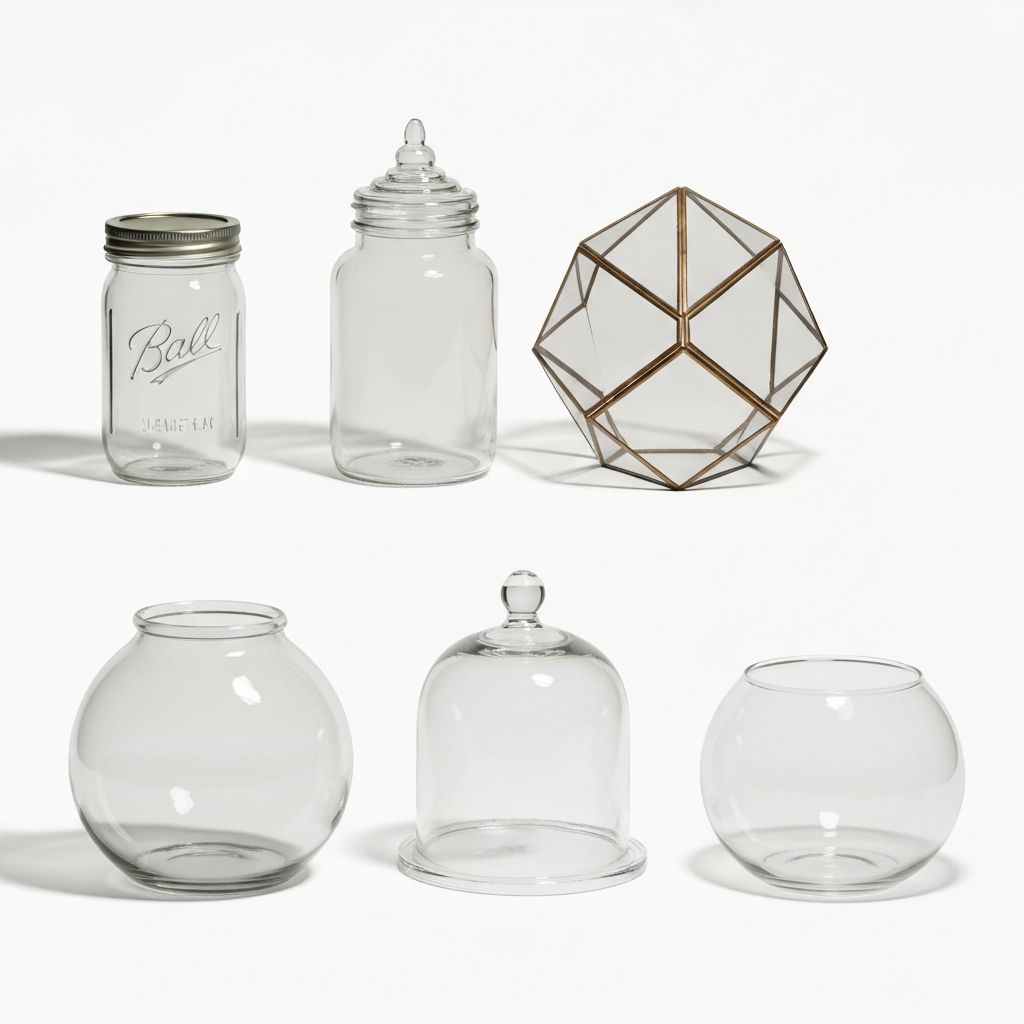
Best Glass Containers for Terrariums: A Buyer's Guide
From mason jars to geometric terrariums, learn which containers work best for different terrarium styles and budgets.
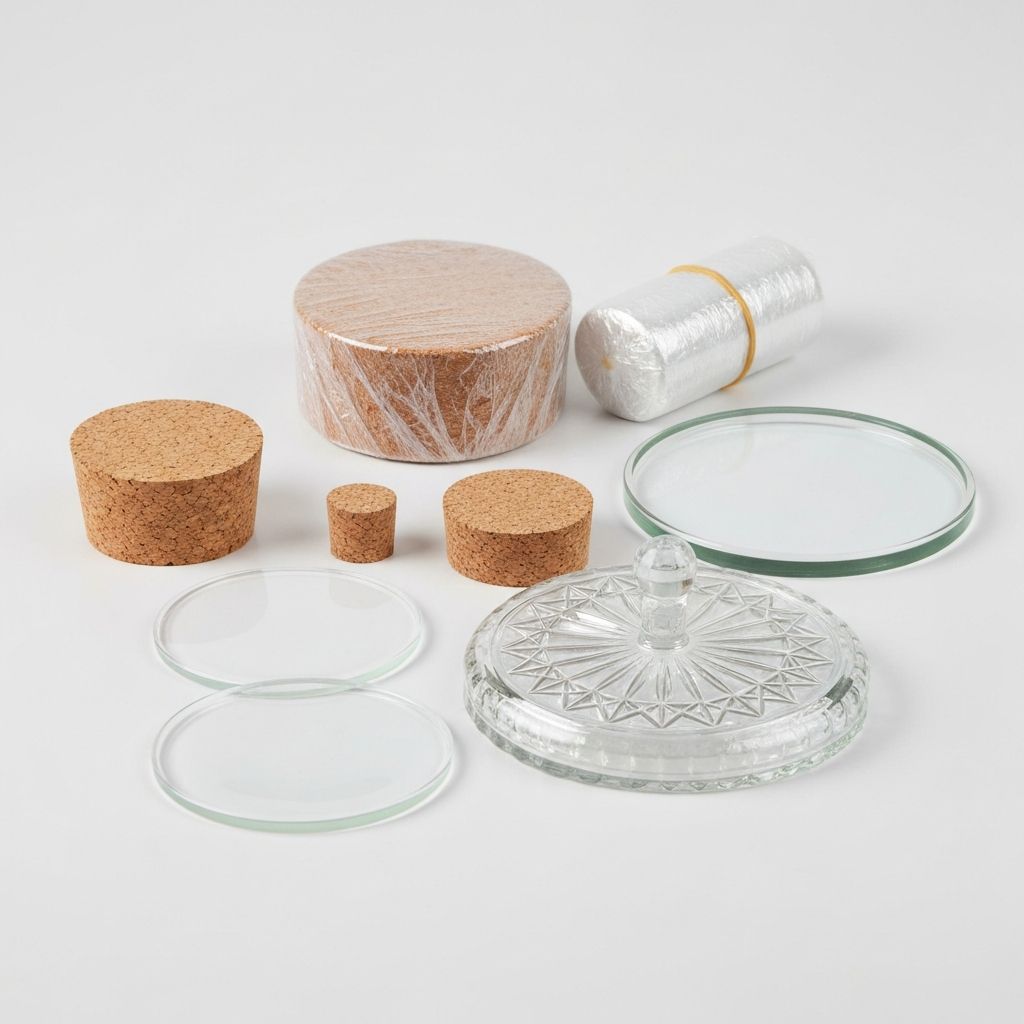
DIY Terrarium Lid Solutions for Any Container
Turn any glass container into a terrarium with these creative lid solutions. From cork to custom-cut glass, find the perfect closure for your build.
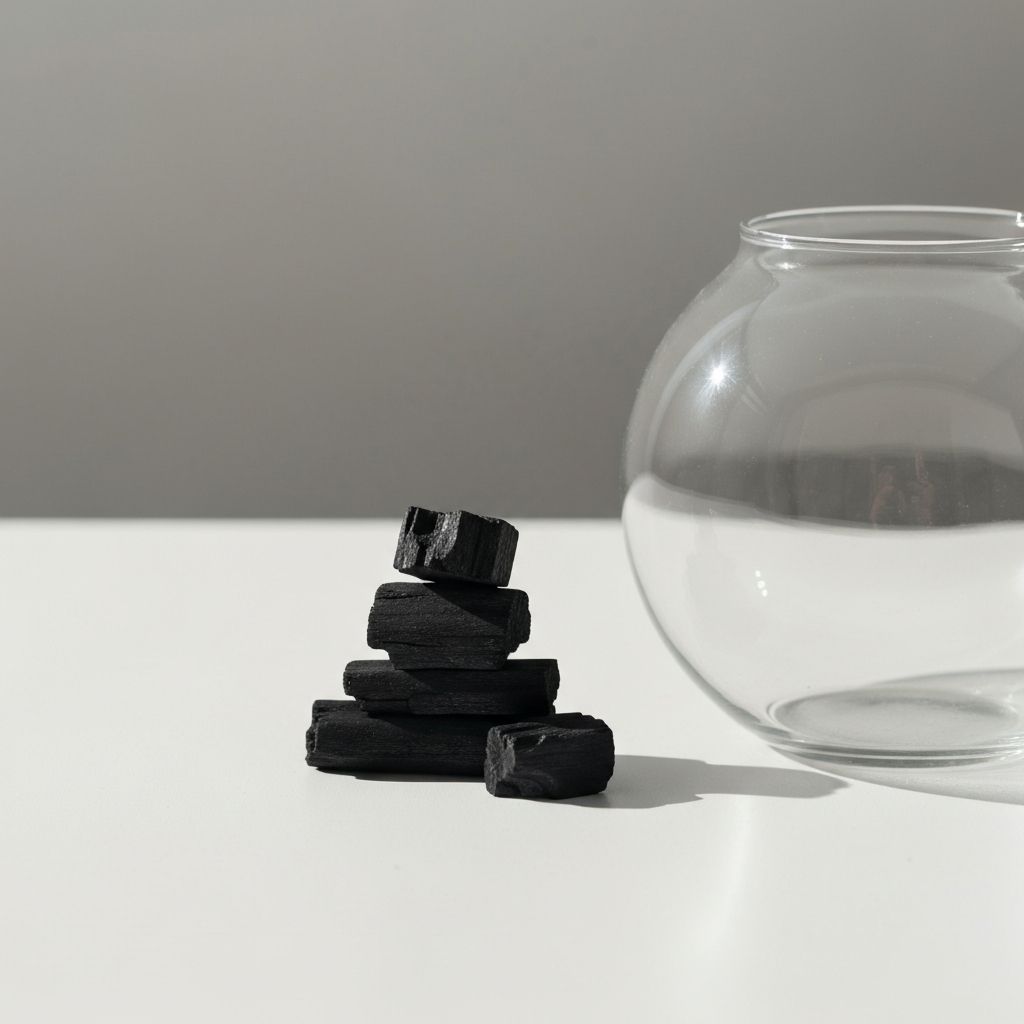
Activated Charcoal in Terrariums: Essential or Optional?
Understand the role of activated charcoal in terrarium substrate, when you actually need it, and alternatives if you don't have it.